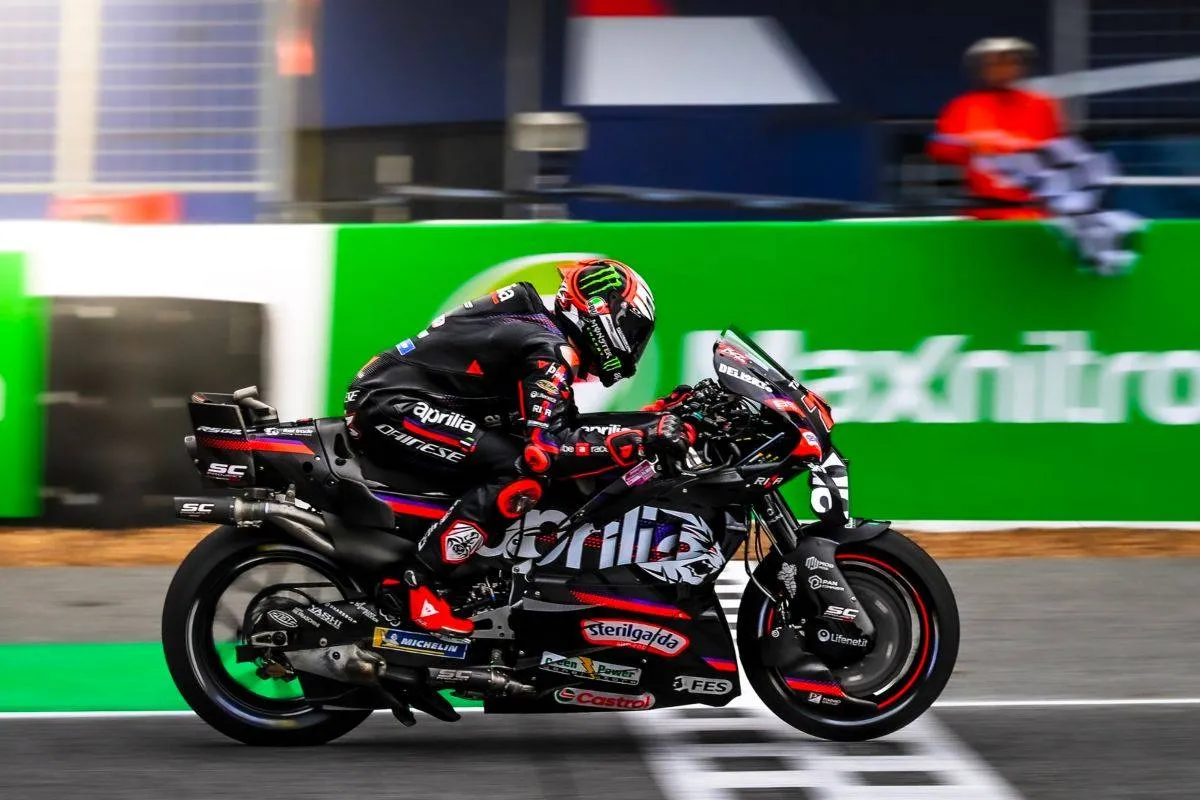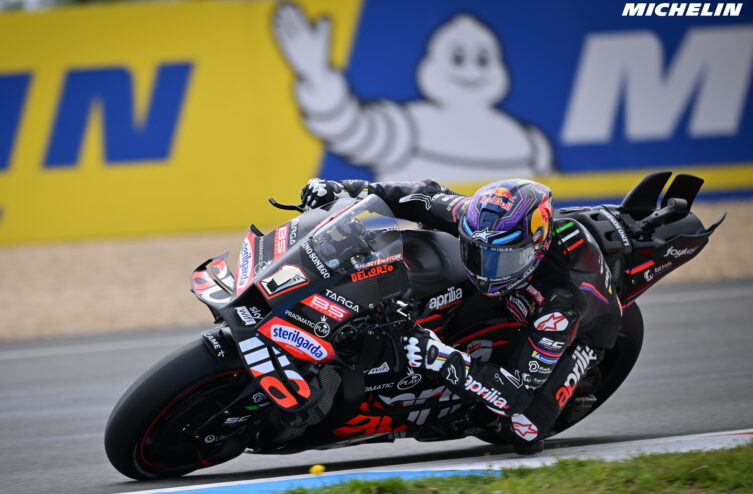


It's a perplexing paradox in the high-octane world of MotoGP: Aprilia Racing, a factory team that dominated tracks and turned heads last season, remains bafflingly without a title sponsor for 2026.
Massimo Rivola, Aprilia's outspoken CEO, has voiced his clear disappointment. Despite an incredible surge in performance, the commercial backing that usually follows success has yet to fully materialize.
Key Points:
- Aprilia Racing stands as the sole factory team in MotoGP yet to secure a naming rights partner for the upcoming 2026 season.
- Despite achieving its most successful year with four wins and second place in the manufacturers' standings, commercial partnership lags.
- CEO Massimo Rivola openly expressed his "disappointment" regarding the inability to attract a major title sponsor.
- The situation highlights a broader challenge for MotoGP in maximizing its commercial potential, especially when compared to the stratospheric values of Formula 1.
The Unexplained Commercial Conundrum at Noale
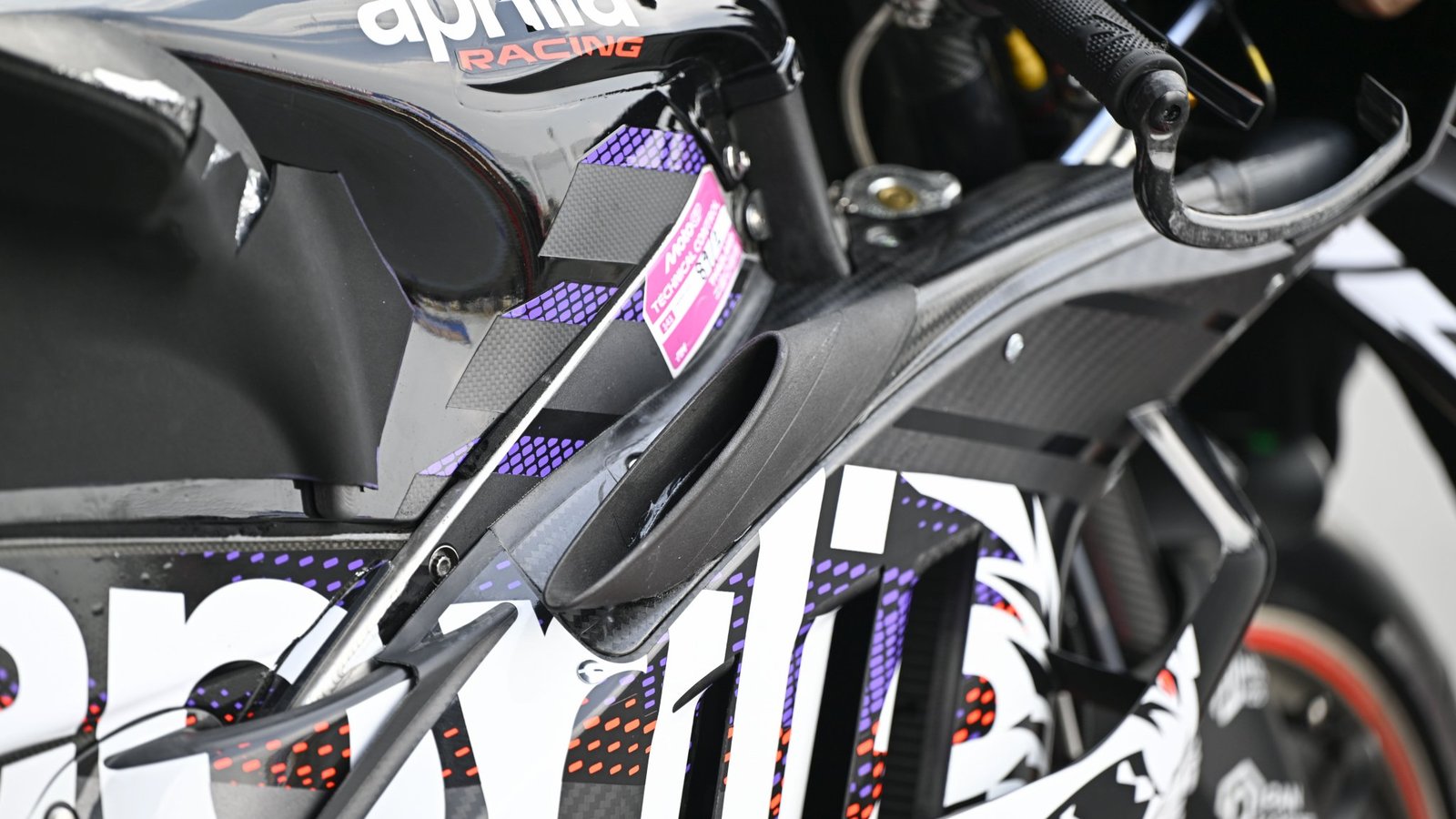
Massimo Rivola, the charismatic CEO of Aprilia Racing, isn't holding back. Speaking at the launch of the RS-GP26, he voiced a clear frustration: how can a team achieving such unprecedented on-track success still be the lone factory squad without a coveted title sponsor? The Noale factory has poured significant investment into its MotoGP program, transforming itself from an underdog to a genuine frontrunner.
Performance Soars, Partnership Lags
Last season was a triumph for Aprilia. They powered to four wins and impressively secured second place in the manufacturers' championship. This kind of performance usually sends potential sponsors clamoring, eager to align their brand with a winning machine. Yet, Aprilia and its satellite team, Trackhouse, are exceptions in a grid where every other factory has secured a major naming partner. Rivola admits he's "disappointed" and sees finding a €10 million budget injection as a crucial part of his role.
Bridging the F1 Gap: MotoGP's Commercial Frontier
The conversation around MotoGP's commercial potential has intensified, especially since Liberty Media's acquisition of the championship. The comparison to Formula 1, also under Liberty's ownership, is inevitable. While F1 teams command valuations well over $1 billion, MotoGP outfits operate on a fraction of that figure. This stark contrast underscores the commercial challenge MotoGP faces.
Liberty Media's Influence and Calendar Demands
Rivola acknowledges the need for MotoGP to elevate its brand appeal. He believes the series doesn't need to "copy and paste" F1's model, but rather leverage its own unique characteristics and use its star riders as "ambassadors for the show." With a demanding 22-round calendar projected for 2025, Rivola suggests that increasing overall business income is key. More revenue from sponsors would make the rigorous schedule more sustainable for teams, perhaps even allowing for reduced testing to balance the demands on personnel.