
Aryna Sabalenka Demands Radical Media Overhaul for WTA Top 10
When Aryna Sabalenka speaks, the tennis world listens – and her latest proposal for a radical shift in media duties has certainly ignited a fiery debate across the WTA and ATP tours.
The reigning Australian Open champion, known for her powerful game and outspoken personality, is advocating for a significant change to how the sport's biggest stars interact with the press. This isn't just a casual suggestion; it's a direct challenge to long-standing traditions.
Key Points:
- Aryna Sabalenka proposes "F1-style" joint press conferences for Top 10 players.
- The aim is to enhance fan engagement and streamline media obligations for elite athletes.
- The suggestion has sparked mixed reactions, particularly regarding visibility for lower-ranked players.
- This isn't Sabalenka's first time pushing for significant change within professional tennis.
A Bold Vision for Player Media Interactions
Ahead of the **Canadian Open**, **Aryna Sabalenka** took to social media platform X, posing a provocative question: "How about pre-tournament media to be changed? Top 10 players together for press conference? F1 style? Fun no?" This isn't merely a thought experiment; it's a top player leveraging her influence to question the status quo.
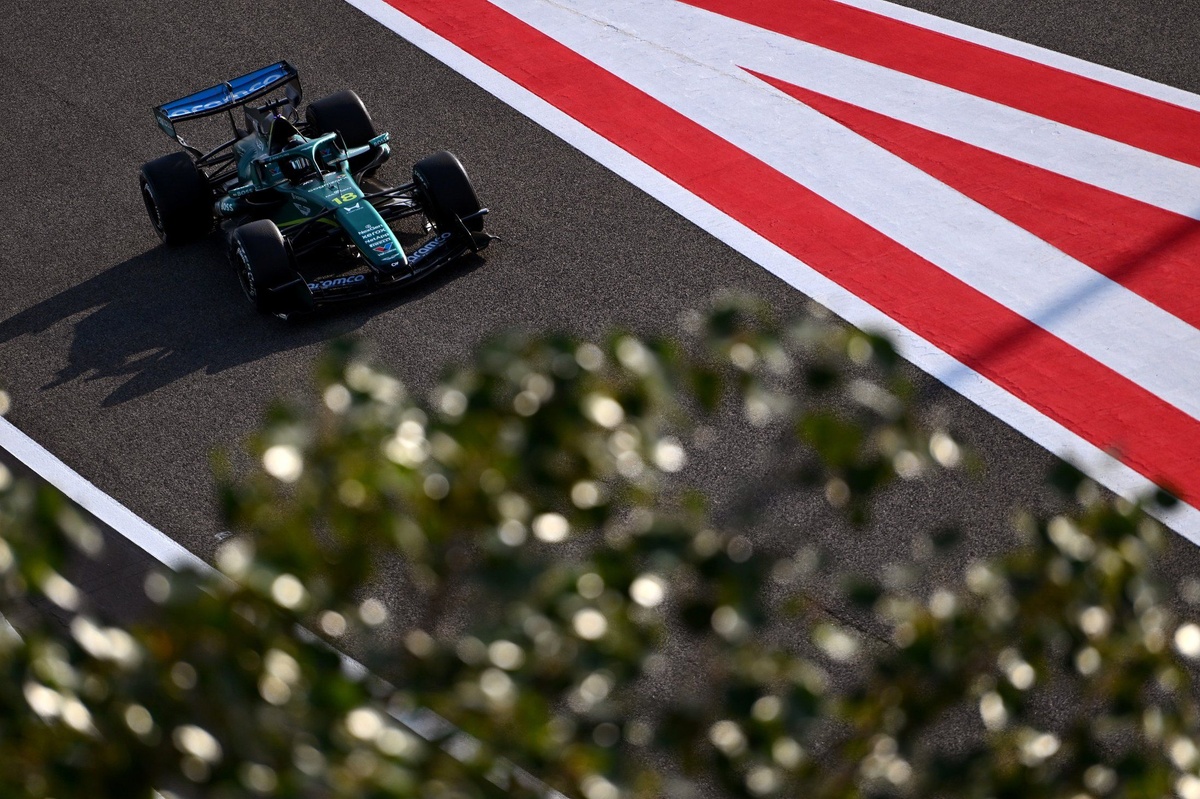
The "F1 style" reference points to Formula 1's popular joint press conferences, where multiple drivers discuss upcoming races and recent events, often leading to more dynamic and engaging interactions than individual sessions. For **Sabalenka**, currently ranked World No. 2 with multiple **Grand Slam** titles including the **Australian Open** and **US Open**, the objective appears clear: inject more energy and efficiency into pre-event media.
The Fan-First Angle: More Buzz, Less Monotony?
From a fan's perspective, this proposal could be a game-changer. Imagine seeing the **WTA Top 10** engaging in a lively group discussion, offering insights, banter, and a collective preview of the tournament. This format could generate significant buzz, offering a broader narrative beyond individual player statements and potentially drawing in new audiences.
A more consolidated media presence could also be more efficient for the players themselves, reducing repetitive questions and allowing them to focus more on their preparation. One supporter on social media echoed this sentiment, suggesting it would "work" and even proposing optional post-match media with video alternatives, indicating a broader desire for modernized player-media relations.
The Unseen Voices: Backlash and Broader Implications
While the idea has its merits, it has also sparked significant criticism. Many respondents highlighted the potential for such a system to further marginalize the vast majority of professional tennis players outside the elite **Top 10**. Critics argue that focusing solely on the top echelon could diminish the visibility and financial opportunities for the hundreds of players striving to make a living from the sport.
One commenter pointedly stated, "That is precisely the problem with tennis: the notion that only ten players exist. It is a huge mistake and shows a lack of respect for the others." This sentiment underscores a core tension in tennis: balancing the star power of its biggest names with the need to support a healthy, competitive ecosystem for all its athletes.
Sabalenka's History of Advocacy
This isn't the first time **Aryna Sabalenka** has used her platform to push for change. She previously made headlines by cutting short press conferences at the **French Open** in protest over prize money distribution. She, along with many others on the **WTA** and **ATP Tours**, advocates for players receiving a larger percentage of **Grand Slam** revenues.
Her consistent willingness to challenge established norms solidifies her position not just as a champion on the court, but as a vocal advocate for player welfare and the evolution of the sport off it. While her latest proposal might be controversial, it certainly ensures that the conversation around tennis's future remains vibrant and fiercely debated.