
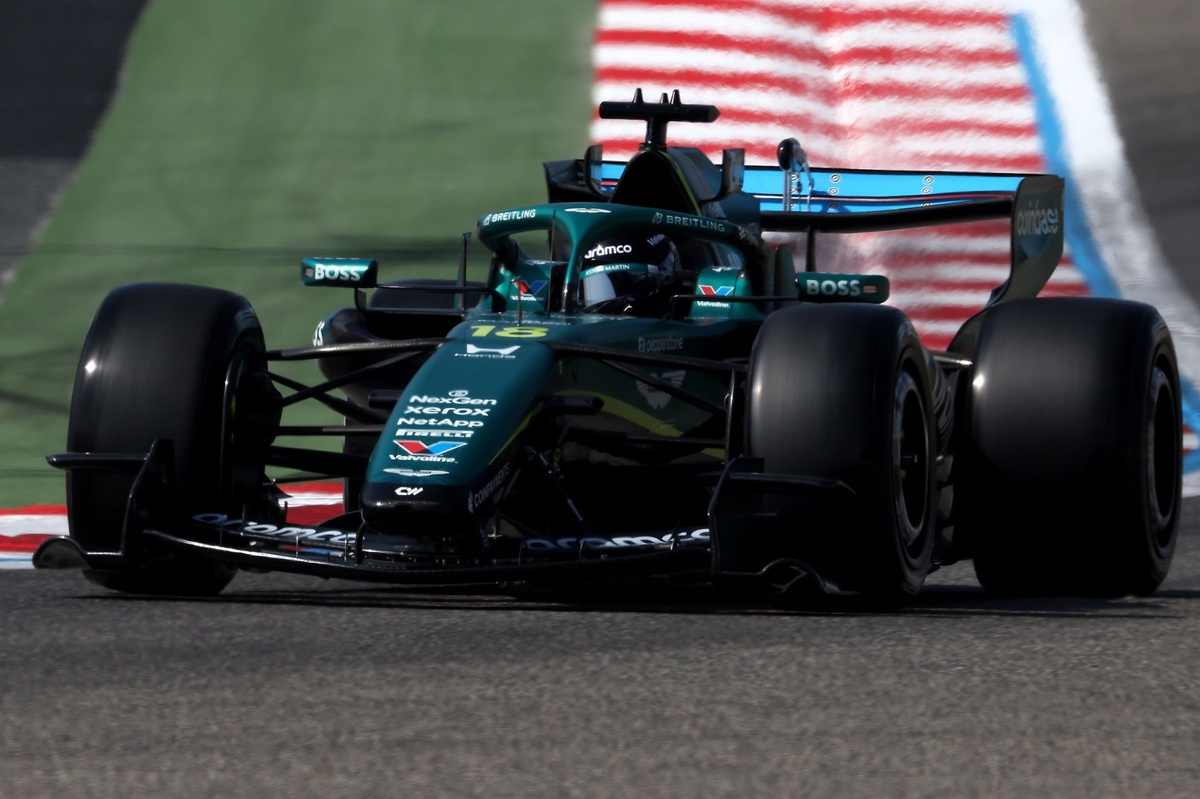

Bahrain Bust: Aston Martin's Testing Tangle
F1 veteran and pundit Will Buxton did not hold back, insisting Aston Martin had effectively “lost testing” following a troubled pre-season outing in Bahrain.
The Silverstone-based outfit arrived with big hopes for the AMR26, the first car shaped under the guidance of Adrian Newey and powered by a new works engine from Honda. Instead of signalling a new dawn, the test quickly exposed major concerns.
Driver Lance Stroll reportedly found himself around four seconds off the outright pace — a deficit that underlines how far the team appeared to be from the front. More than just lap time embarrassment, the gap limited Aston Martin’s ability to properly evaluate their new package before the season begins.
The Honda Heartbreak: Power and Reliability Worries
Speaking on the Up To Speed podcast, Buxton suggested the primary issue lay with the power unit. He described it as a “horrible” test for the team, noting that this was meant to be the no-compromise Newey project with Honda’s renewed factory commitment. Instead, the engine package reportedly proved both underpowered and unreliable.
He drew parallels to the last major engine regulation overhaul, when Honda partnered with McLaren and endured well-documented struggles. According to Buxton, the current situation appears similarly troubling, not only lacking pace but also suffering reliability setbacks. On the final day of running, Aston Martin managed just six laps, severely restricting valuable data collection.
Coulthard’s Caution: It’s Not That Simple
Former F1 driver David Coulthard offered a more measured take. He explained that running a down-on-power engine makes it extremely difficult to judge a car’s true aerodynamic performance. With all teams using the same tyres, the strongest chassis will naturally extract more from them, but insufficient engine output can mask the car’s real potential.
Coulthard also warned against placing blame solely at Honda’s door. Even if the engine deficit is resolved, there is no guarantee the car will immediately operate in its optimal performance window. The chassis and power unit must function as a cohesive package; improvements in one area can sometimes expose weaknesses in another.
A Disrupted Comeback
Coulthard further pointed out the unusual circumstances behind Honda’s return. While Honda had continued supplying engines to Red Bull last season, the company had previously announced its withdrawal from Formula 1 before reversing course. That stop-start decision meant development programmes were halted and later restarted under tight timelines.
In the interim, experienced engineers and designers reportedly moved on to rival manufacturers. As Coulthard noted, expertise cannot simply be replaced by increasing headcount, institutional knowledge and continuity matter enormously in a regulation overhaul.


