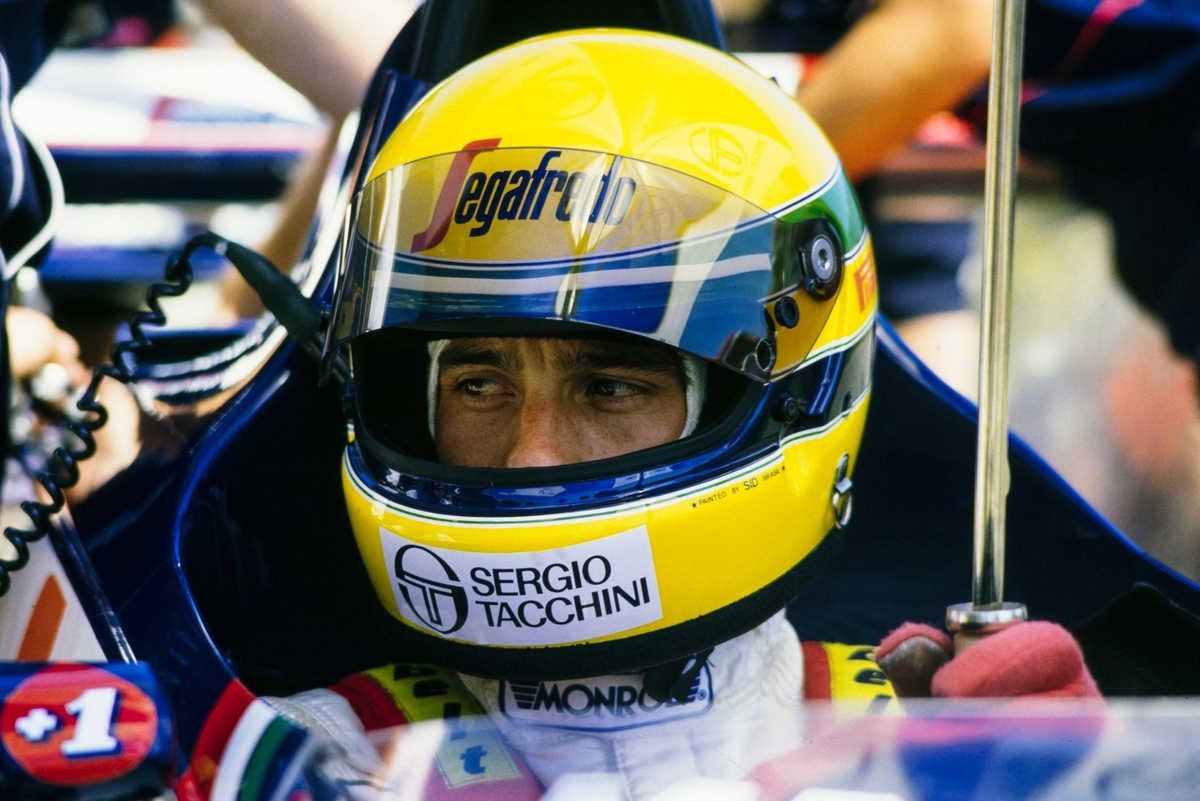

On March 25, 1984, the world unknowingly witnessed the ignition of a legend. At the sun-drenched Jacarepagua circuit in Rio de Janeiro, a new chapter in motorsport history began as a young, determined Ayrton Senna, aged just 24, strapped into his Toleman challenger for his Formula 1 debut. While the race ended in a frustrating early retirement, this moment was the quiet spark before an explosion of legendary talent.
Key Points:
- Ayrton Senna made his Formula 1 debut at the 1984 Brazilian Grand Prix.
- Driving for the underdog Toleman team, his race ended in an early engine failure.
- Despite the setback, the "wunderkind" quickly proved his mettle in subsequent races.
- This unceremonious start foreshadowed a career of unparalleled skill and drama.
The Baptism of Fire in Rio
The air crackled with anticipation as Brazil's new hope, Ayrton Senna, prepared for his first-ever Grand Prix. Starting a respectable 17th in his underpowered Toleman, the stage was set for a potential underdog story. However, fate had other plans.
After just 8 laps, the Hart engine in his machine suffered a terminal turbo failure, making Senna the season's first retirement. It was an anticlimactic end to a highly anticipated debut on home soil, but merely a minor blip in a journey destined for greatness.
The Path to Toleman: A Star in the Making
Even before his Formula 1 bow, Ayrton Senna was a name on everyone's lips. Dubbed a "wunderkind," his electrifying performances in junior categories, particularly in British Formula 3, had attracted widespread attention. Top teams were circling, eager to snap up the prodigious talent.
Brabham's Missed Opportunity and Piquet's Shadow
The prestigious Brabham team seemed a natural fit for Senna. However, a twist of corporate fate saw the seat go to Teo Fabi, as sponsor Parmalat insisted on an Italian driver. Rumors also swirled about reigning champion Nelson Piquet's reluctance to welcome a fellow Brazilian talent, though Senna's camp suggested it was more a lack of active support.
Ultimately, Bernie Ecclestone offered an interim drive with ATS, but Ayrton Senna chose Toleman, believing it offered the best environment to develop at his own pace. It was a bold decision that would soon pay dividends.
The True Awakening: From Disappointment to Domination
While his debut race in Rio ended abruptly, it did little to dampen the fire within Ayrton Senna. He swiftly showcased his raw speed and unparalleled car control. Just two races later, he secured his first World Championship points with a sixth-place finish in South Africa, followed by another in Belgium.
These performances, achieved despite a physically demanding car, were clear indicators of the magic to come. The true breakthrough, however, arrived only months later at the Monaco Grand Prix. In torrential rain, Senna delivered a masterclass, driving his humble Toleman to a sensational second place.
That unforgettable drive against titans like Alain Prost truly announced his arrival, proving that his debut was merely the opening act of an extraordinary career.
Senna's Enduring Legend
The premature exit in Rio de Janeiro was not an ending, but the genesis of a phenomenon. Ayrton Senna went on to capture three Formula 1 World Championships and countless hearts, forever cementing his place as one of the sport's greatest icons. That March day in 1984 may have started with a whimper, but it unleashed a roar that still echoes through the annals of racing history.