
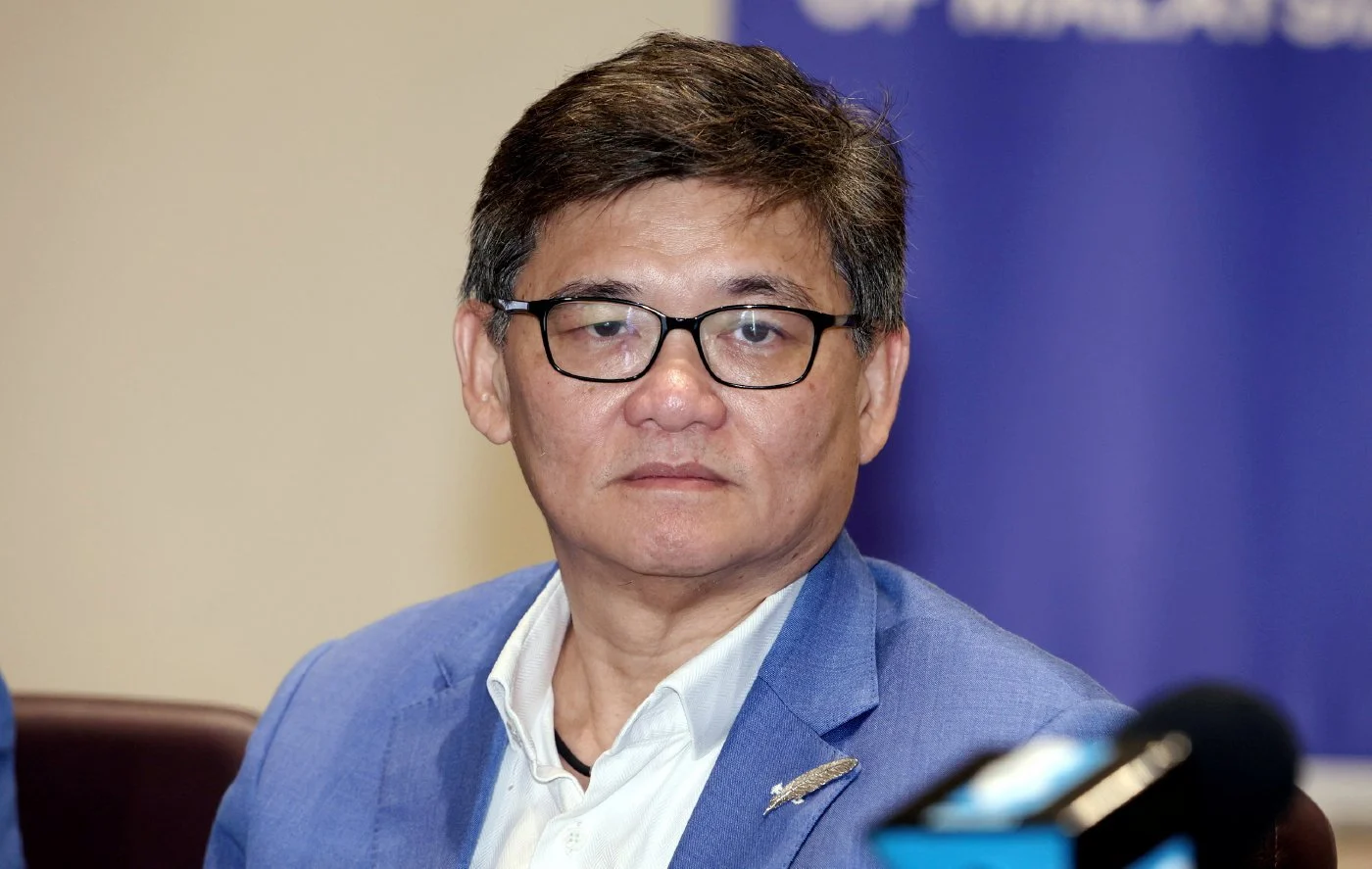

The global badminton calendar is expanding, but for Malaysia, the growth comes with mounting financial pressures. The Badminton Association of Malaysia has called on the Badminton World Federation to adopt a more sustainable and equitable business model as hosting costs for major events continue to rise.
Datuk Kenny Goh, BAM Secretary-General, highlighted that organizing premier international tournaments under BWF’s revised schedule now demands significantly higher expenditure. He emphasized that national associations must strike a balance between supporting global badminton development and maintaining financial stability at home.
The BWF has announced an ambitious expansion of its flagship team events. From 2027, the Sudirman Cup will grow from 16 to 24 teams, followed by the Thomas Cup and Uber Cup in 2028. Tournament durations will increase from 10 to 12 days, and Super 1000 events, including the Malaysia Open, will be staged over 11 days with prize money rising to US$2 million. While these changes elevate the sport’s profile, they also place heavier logistical and financial demands on host nations.
Goh stressed that Malaysia must have a fair framework for hosting. “For us to bid on all these major tournaments, there needs to be a business model that balances the interests of the host country and the BWF,” he said. “We are not seeking profit, but hosting must not compromise our long-term sustainability.” Malaysia last staged a major tournament, the Sudirman Cup, in 2013, highlighting the challenges of maintaining frequent top-level events without a viable financial model.
Goh also raised concerns about fan engagement. He questioned whether extending tournament durations automatically increases audience interest, noting that early stages of team events often struggle to attract crowds and television viewers. “Simply adding more days may not work. We need to explore ways to make tournaments more engaging for fans,” he said.
As the BWF continues to expand the global calendar, Malaysia’s call underscores the importance of balancing growth, financial sustainability, and fan experience, ensuring that badminton remains both competitive and viable for host nations.
.jpg)


