
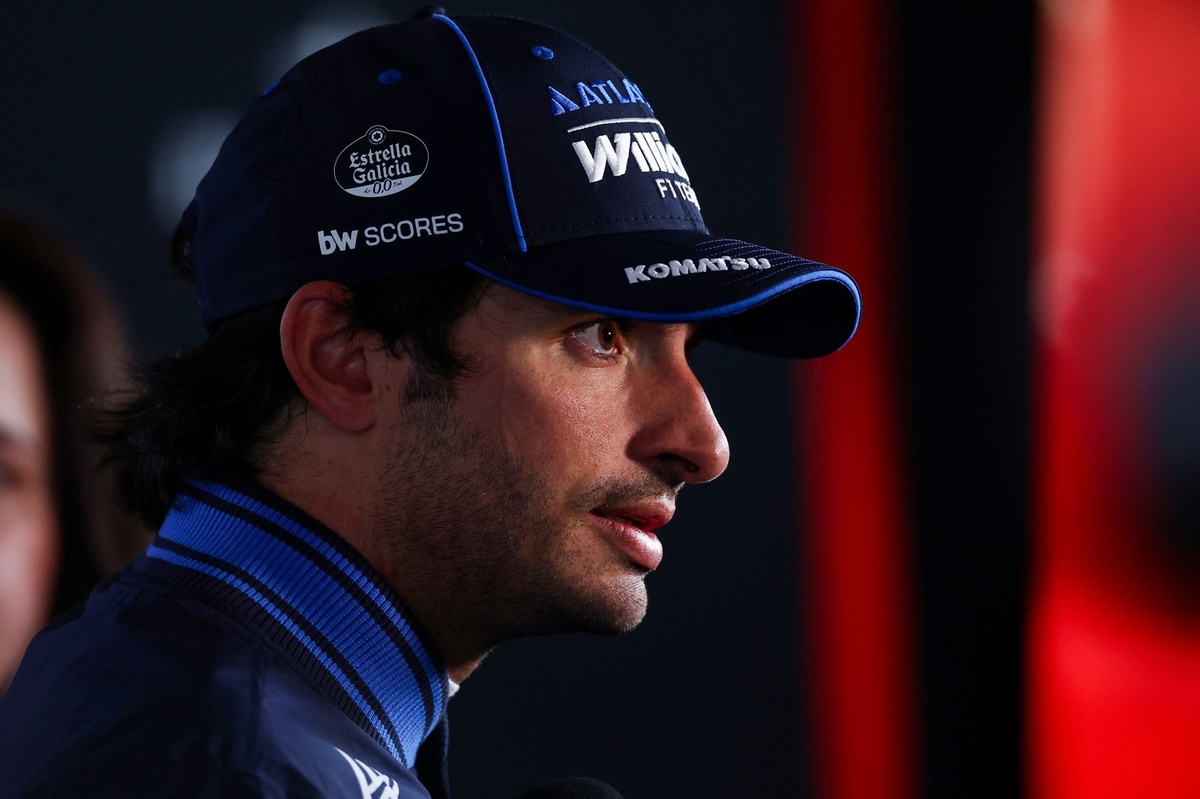

The roaring spectacle of Formula 1 faces an identity crisis, with Ferrari ace Carlos Sainz joining a chorus of drivers questioning the very soul of the sport under the controversial 2026 regulations. As the grid grapples with radically altered power units and car designs, the Spaniard's candid remarks underscore a growing discontent that could reshape F1's future.
- Carlos Sainz believes F1's 2026 power unit regulations "definitely needs a rethink."
- The new rules mandate a near 50:50 electrical/ICE power split, forcing drivers into extensive "lift and coast" strategies for energy harvesting.
- Sainz, like Max Verstappen, fears this shift detracts from pure racing, with Verstappen dubbing it "Formula E on steroids."
- Concerns are particularly high for iconic circuits such as Monza and Spa, where the impact on racing purity is most keenly felt.
A Growing Rebellion Against F1's Future
Carlos Sainz has become the latest high-profile voice to express serious reservations about Formula 1's 2026 regulations. He argues that the new technical framework fundamentally alters the driving experience, making it "not F1 the way I want to see it." This sentiment echoes earlier, pointed criticism from reigning champion Max Verstappen, who famously likened the new era to "Formula E on steroids."
The heart of the issue lies in the mandated power unit changes. The 2026 regulations introduce smaller, more agile cars paired with engines relying on an almost even split between electrical and internal combustion power. This shift forces drivers to meticulously manage their onboard batteries throughout a lap, leading to less aggressive, more strategic driving.
The Energy Harvesting Dilemma: "Lift and Coast" Dominance?
The requirement for significant energy harvesting has pushed drivers towards a "lift and coast" approach to recharge batteries. This technique, where drivers lift off the throttle early and coast into corners, is designed to recover energy. However, critics like Carlos Sainz fear it compromises the high-speed, flat-out nature that defines Formula 1.
While Sainz acknowledged tracks like China might mitigate some of these effects due to their energy-rich nature, he explicitly named Melbourne, Monza, and Spa as circuits where the regulations "definitely needs a rethink." He asserts that while development might play a part, the core formula itself is flawed, suggesting even F1's leadership recognizes the problem.
Is F1 Listening? The Paddock Divided on 2026 Rules
The desire for significant adjustments is widely shared across the paddock. Some voices are even calling for radical changes, including revisions to starting procedures, energy allowances, or even a return to naturally aspirated engines – though the latter is unlikely before the next major engine shakeup slated for 2030/31. Carlos Sainz himself voiced hope for "changes soon" to improve the spectacle.
However, not everyone advocates for immediate, drastic action. Haas team principal Ayao Komatsu urged caution, suggesting it would take at least five races to properly evaluate the new rules across diverse circuit types. He warned against "a knee-jerk reaction" to initial driver feedback, stressing the need for a balanced, global opinion. The upcoming Canadian Grand Prix will undoubtedly provide another crucial test for these contentious 2026 F1 regulations.


