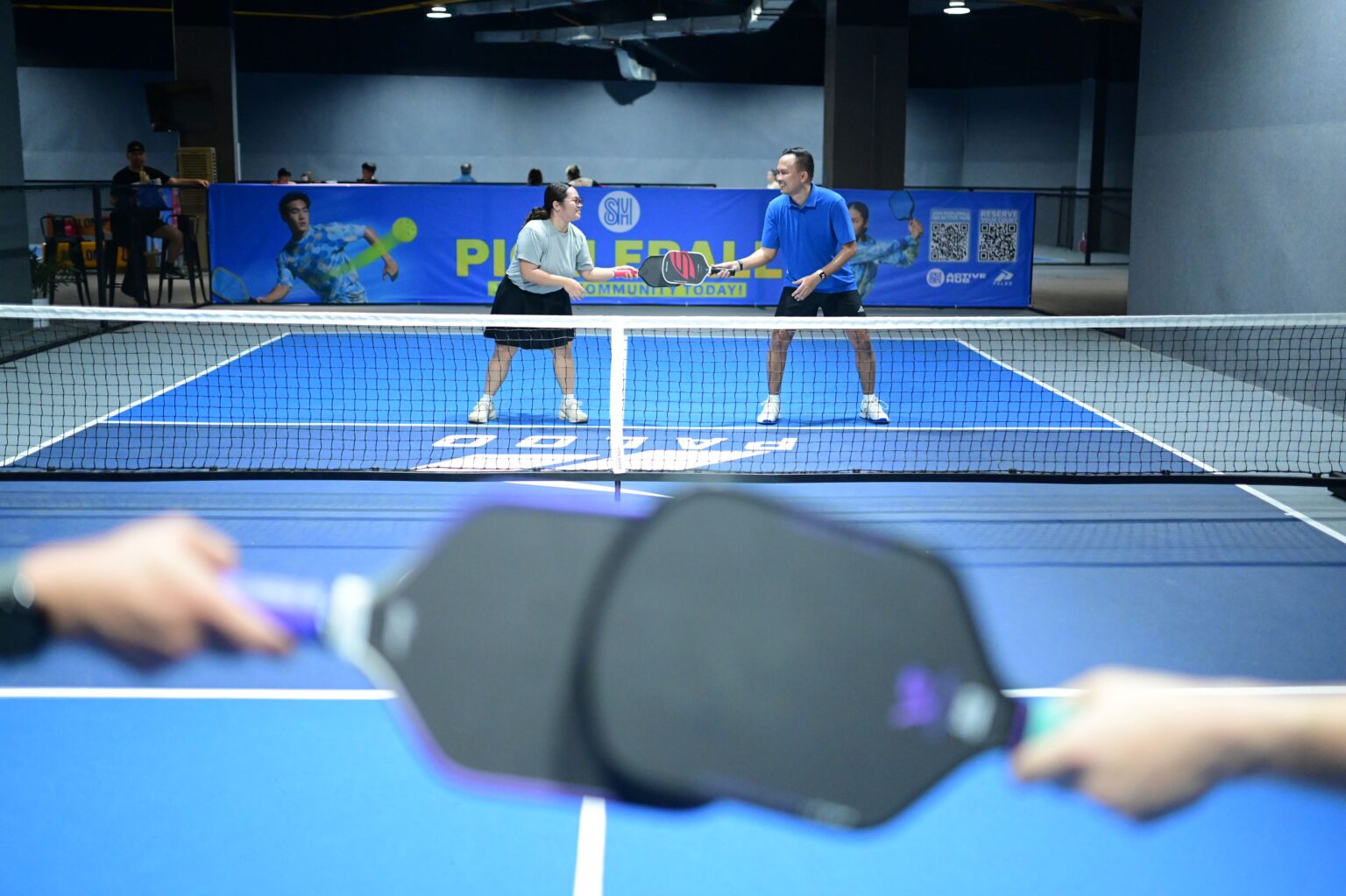
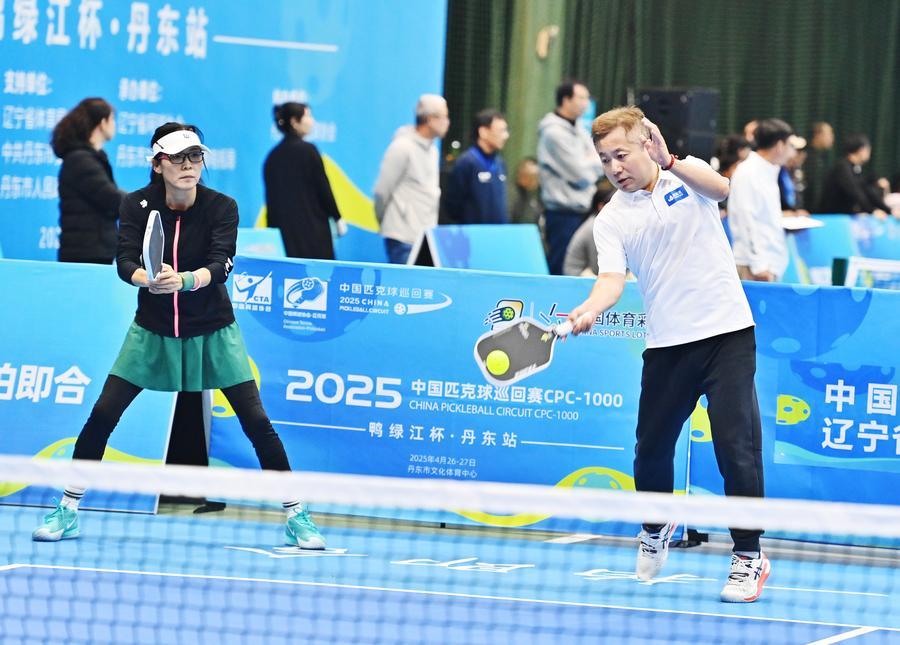

The pickleball phenomenon is no longer knocking on China's door; it has decisively burst through, establishing itself as a nationwide sporting and economic powerhouse. What began as a niche interest has exploded into a cultural movement, captivating millions and reshaping urban landscapes across the country.
Key Points on China's Pickleball Surge:
- Massive Participation: Over 8 million regular players and 20 million have tried the sport, with projections reaching 30 million.
- Hebi's Pioneering Role: The city of Hebi has become the sport's epicenter, boasting 1,600 courts and leveraging pickleball for city branding.
- Economic Engine: A domestic market exceeding 1.8 billion yuan in 2025, with local industries pivoting to produce equipment for global export.
- Urban Transformation: Cities are creatively repurposing spaces, from under-highway parks to mall rooftops, for new pickleball complexes.
A Nation Embraces the Paddle Craze
Forget fleeting trends – pickleball in China is cementing its status as a defining recreational movement. Preliminary figures reveal a staggering expansion, with 10 provincial-level regions, including Henan, Guangxi, and Beijing, elevating pickleball to a prominent mass-participation event. The China Pickleball Circuit, a mere 80 stops in 2024, now boasts an impressive 1,000 venues nationwide, a testament to its rapid ascent.
The numbers speak volumes about this unprecedented growth. According to Bai Xilin, director of the Tennis Administration Center of China's General Administration of Sport, approximately 8 million people actively engage with pickleball regularly. Another 20 million have experienced the sport, with ambitious forecasts predicting the active player base could soar to 30 million in the near future. This surge isn't just about participation; it's about a deep integration into daily life.
Hebi's Unlikely Pickleball Epicenter
Amidst this national explosion, one city stands out as the undeniable heart of China’s pickleball revolution: Hebi. This once-overlooked city has masterfully transformed itself into the sport's unlikely capital. By 2025, Hebi had erected an astounding 1,600 courts, establishing one of the densest and most accessible pickleball networks anywhere. Now, the distinctive sound of paddles and balls is a familiar melody along the Qi River each morning, as residents flock to courts.
For Hebi's leadership, pickleball is far more than just a game. Zhao Hongyu, secretary of the CPC Hebi Municipal Committee, articulates a clear strategic vision. He views the sport as a powerful vehicle to enhance the city's "urban visibility and influence," forging a highly recognizable brand that resonates both domestically and internationally. It's a bold move to put Hebi on the global map through sport.
From Courts to Commerce: Hebi's Industrial Pivot
The city's established industrial foundation has proven remarkably agile in capitalizing on the pickleball boom. Leveraging its strengths in coal chemical, rubber, and plastics manufacturing, Hebi has rapidly developed a comprehensive pickleball supply chain. This extends from raw materials all the way to high-end equipment, showcasing an impressive local capacity for innovation and production.
Companies like Henan Geli Sports Goods Co., Ltd. are at the forefront of this industrial pivot. General manager Xing Weimin proudly notes their export of pickleball-related products to Europe, the Americas, and Southeast Asia. The market potential is "huge," he asserts, with sales topping 25 million yuan in 2025 and projected to double in 2026. Hebi isn't just playing pickleball; it's manufacturing its future.
Beyond Hebi: Urban Innovation and Economic Power
The pickleball craze isn't confined to Hebi; it’s inspiring creative urban development across China. Hangzhou ingeniously converted the often-unused space beneath an elevated highway into a sprawling 6,000-square-metre pickleball park. In Beijing's Fengtai District, a former basketball arena now thrives as a dedicated pickleball club, hosting the popular Beijing Pickleball Super League. Further south, Suzhou boasts an impressive 23-court complex, while Nanjing offers a truly unique experience with courts on the 51st floor of a shopping mall, providing breathtaking panoramic views alongside intense matches.
This widespread adoption translates into significant economic muscle. The China Sporting Goods Federation reported a domestic market for pickleball equipment and services exceeding 1.8 billion yuan in 2025. Furthermore, projections indicate a staggering compound annual growth rate (CAGR) of 47 percent over the next five years. Experts like Song Hongfei of Viva Goods Co., Ltd. confidently predict pickleball could become "the next marathon-like popular sport," driven by its broad appeal and economic impact.
The "Three Lows, Three Highs" Advantage
The secret to pickleball's explosive popularity in China lies in what Bai Xilin terms its "three lows and three highs." It boasts a low barrier to entry, low cost, and low risk of injury, making it inherently accessible to players of all ages and fitness levels. Simultaneously, it offers high social value, high overall benefits for health and community, and high safety ratings, ensuring its sustainable appeal as a sport for the masses. This unique combination makes it a perfect fit for China's expanding recreational landscape.
Global Connections Through the Net
China's pickleball ascent mirrors a broader international surge. The sport has been the fastest-growing in the United States for five consecutive years, and it's rapidly gaining traction across Southeast Asia, with countries like Vietnam and the Philippines witnessing widespread adoption. Hebi, demonstrating its commitment to global engagement, has already hosted international events, including the 2025 Hebi Invitational, which welcomed players from 14 countries.
This international outreach extends beyond tournaments. Earlier this year, American students and teachers visited Hebi, engaging in friendly matches and cultural exchanges with local teenagers. They bonded over pickleball, explored historic sites, and even delved into traditional crafts, showcasing the sport's power to bridge cultures and foster understanding.
Pickleball in China is unequivocally here to stay. It's more than a game; it's a catalyst, reshaping urban identities, fueling industrial growth, and forging valuable international bonds. While Hebi may have ignited the spark, the sport's unstoppable momentum is now a nationwide phenomenon. With millions already captivated, pickleball is poised to become one of China's most significant and enduring recreational movements of the decade.