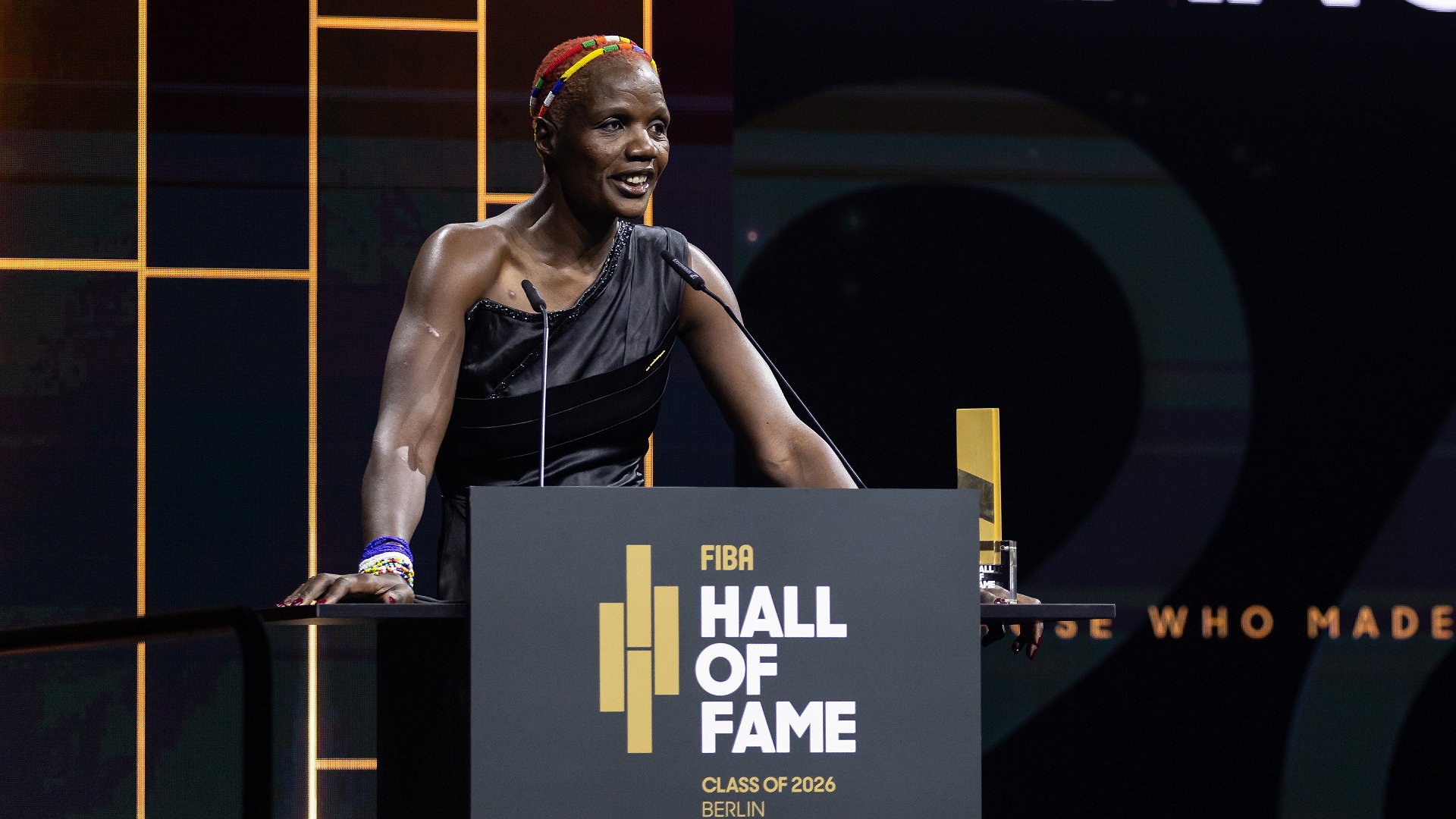

Just weeks ago, Clarisse Machanguana stood alongside legends like Sue Bird and Dirk Nowitzki, accepting her rightful place in the FIBA Hall of Fame. It was a moment of profound joy, a global acknowledgment of a trailblazing career that spanned continents and inspired countless fans. Yet, even as she celebrated in Berlin, her thoughts were miles away, consumed by the anguish of a nation in peril.
Key Takeaways
- Clarisse Machanguana was inducted into the FIBA Hall of Fame, a celebrated career milestone.
- Her native Mozambique is facing devastating floods, displacing nearly 500,000 people and destroying Machanguana's own home.
- She leads the Clarisse Machanguana Foundation, empowering Mozambican youth, particularly girls, through education and sports.
- Machanguana is seeking support to rebuild her personal life and continue her vital humanitarian work amidst the crisis.
A Champion's Heart: Glory and Grief Intertwined
The former WNBA star recently ascended to basketball immortality, yet her heart remains tethered to a homeland ravaged by catastrophic floods. Her beloved Mozambique has been battered by generational flooding, a crisis that has claimed nearly 300 lives and displaced an astounding half a million people.
The destruction is deeply personal for Machanguana; her home in Marracuene, near the capital Maputo, was rendered uninhabitable by the overflowing Incomati River. She now faces the daunting task of rebuilding her own life while simultaneously championing her country's recovery.
From WNBA Career to Youth Empowerment Legacy
Clarisse Machanguana was selected by the Los Angeles Sparks in the second round of the 1999 WNBA Draft and went on to play four seasons in the league, featuring for the Sparks, Charlotte Sting, and Orlando Miracle. After also continuing her career overseas, she retired in 2013 and returned to Mozambique to begin a new chapter off the court.
Choosing not to pursue coaching, she instead founded the Clarisse Machanguana Foundation, driven by a desire to give back. She described feeling as though she had “won a lottery amongst millions in Mozambique” and felt a responsibility to create pathways for others to access similar opportunities. Her foundation focuses on girls around the age of 11, with programs aimed at building self-esteem, raising awareness about personal protection, and encouraging young girls to see beyond early marriage.
Expanding its reach, the foundation also integrates digital literacy and STEM education while working closely with Jr. NBA and Jr. WNBA programs. Altogether, more than 25,000 young people have participated in its initiatives. One of those early participants, Noemia Massingue, later moved to the United States, played college basketball at the College of Staten Island, and graduated with a business administration degree, highlighting the long-term impact of Machanguana’s work.
The Devastation at Home: Mozambique's Urgent Crisis
The relentless rains began in December, pushing the Limpopo and Incomati rivers past their banks. This natural disaster has obliterated over 30,000 homes, devastated 447,000 acres of farmland, and resulted in the loss of nearly 58,000 livestock. The long-term impact on food security and public health is immense, with a heightened risk of waterborne diseases in overcrowded accommodation centers.
Despite her own uncertainty, Machanguana continues to highlight how “most people went back to very unlivable conditions,” while acknowledging she is fortunate to have an option that many others do not. She points to the scale of loss in farming communities, where an entire season’s crops have been destroyed, creating both immediate food shortages and long-term recovery challenges.
Even as she remains without a permanent home after 45 days, she continues to emphasize the need for support and understanding, balancing her personal struggle with her ongoing commitment to Mozambique’s youth and development work.