It was once an impossible dream, whispered only in the deepest corners of Curacao's most passionate football fans. Now, the Blue Wave is heading to the 2026 World Cup, and in doing so, they've achieved something far greater than sporting glory: they've unified a nation.
Key Milestones on the Road to Unity
- Historic Qualification: Curacao became the smallest nation ever to qualify for the World Cup, shattering expectations.
- Strategic Vision: The football association's bold move to recruit dual-national players transformed the team's competitiveness.
- National Healing: Football provided a powerful catalyst, bridging historical divides and fostering an unprecedented sense of togetherness.
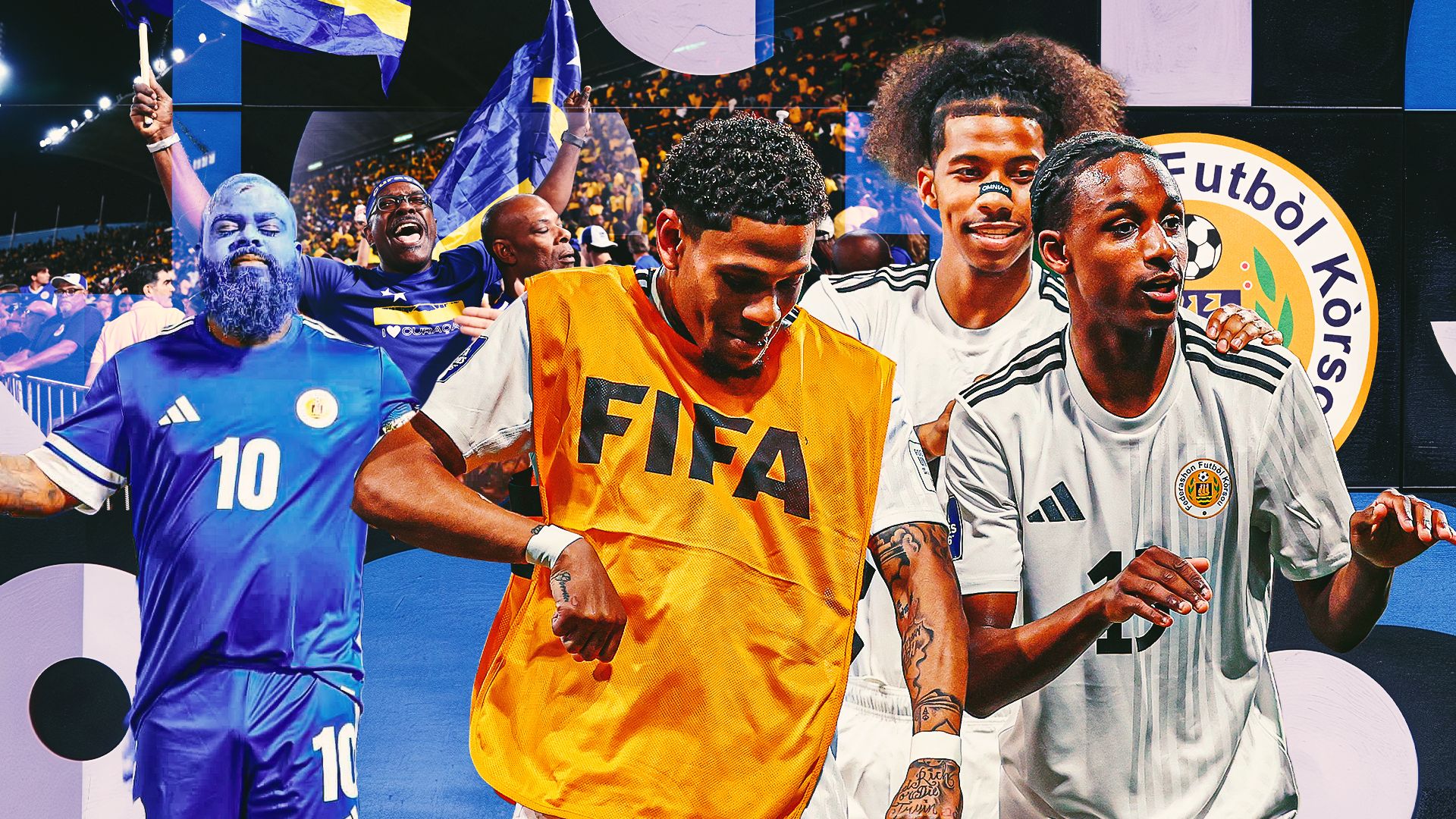
- Fan Frenzy: The island's vibrant fan culture, spearheaded by figures like "Captain Blueface," propelled the team forward and united communities.
The Improbable Dream Becomes Reality
Forget underdog stories; Curacao's qualification for the 2026 World Cup is a genuine phenomenon. With a population under 160,000 and once famously dubbed "the island of the useless" by 16th-century Spanish explorers, the odds were stacked impossibly high. Yet, the Blue Wave proved that heart, vision, and a little strategic genius can overcome even the most daunting statistics.
This isn't just about football; it's about a small island carving out its place on the global stage, proving its worth to the world and, more importantly, to itself. The air on Curacao now hums with a newfound pride that transcends the pitch.
Forging a Path to Greatness: The Dual-National Strategy
Behind every great team is a smart strategy, and for Curacao, that strategy was bold. When Gilbert Martina, the ambitious chief of the football association, took the helm, he initiated a controversial but ultimately game-changing plan: recruit every possible dual-national player. These athletes, often developed in European academies, brought a level of professionalism and skill that was sorely needed.
Initially, this move was met with local anger from fans who felt it undermined homegrown talent. However, as Willy Anthony Harms, who oversaw repairs to the Ergilio Hato Stadium, noted, success has a way of changing minds. The influx of talent, coupled with growing sponsorships, has dramatically improved Curacao's football infrastructure, creating a pathway for local players to develop and thrive.
More Than a Game: Healing a Nation's Wounds
Curacao's journey to the World Cup is intertwined with its complex past. For centuries, the island wrestled with deep-seated class and racial tensions, culminating in the devastating 1969 Willemstad riots. Scars from that period – scorch marks on buildings, unrepaired windows – still serve as stark reminders of a divided history.
Yet, on November 18, 2025, the day Curacao officially qualified, something transformative happened. The island erupted in a spontaneous celebration that saw former adversaries embrace in the streets. "Enemies were hugging each other. It was a crazy time," recalled local business owner Curt Obersie. Football had become the ultimate unifier, proving that a shared passion could mend even the deepest societal rifts. The day after qualification was declared a national holiday, a testament to the sport's powerful healing effect.
The Roar of the Blue Wave: Passionate Fans Lead the Charge
Every epic sporting tale needs its heroes, and for the Blue Wave, many of them are in the stands. Brenton Balentien, affectionately known as "Captain Blueface," embodies the fierce loyalty and burgeoning passion of Curacao's fanbase. His ritual of painting his face blue for every game started as a gimmick but quickly became a symbol of hope and unwavering support.
Balentien, a local entrepreneur, followed the team religiously, witnessing their transformation from perennial strugglers to regional powerhouses. His devotion reflects a wider shift: jersey sales are soaring, and the Blue Wave team store is often sold out. The fans aren't just watching; they're driving the narrative, creating an electrifying atmosphere that makes Ergilio Hato Stadium a fortress.
Building Tomorrow's Stars: A Legacy Beyond Qualification
The World Cup qualification isn't just a moment; it's a springboard for the future of Curacaoan football. The next generation is benefiting from vastly improved facilities, a far cry from the gravel lots where older players like Balentien honed their skills. Clubs like CRKSV Jong Holland, nine-time national champions, now boast sparkling turf pitches and structured youth programs.
GOAL witnessed a youth training session where young players exhibited crisp passing and fluid movement, a testament to the developing talent. Queno de Fritas, a local bar owner, proudly shared that his son, Diego De Fritas, is already in the PSV academy in Holland, a clear sign of the talent pipeline now forming. This investment in youth ensures that the Blue Wave isn't a one-hit wonder but a lasting force in CONCACAF football.
The Unending Party: Celebrating Every Moment
In Curacao, the World Cup isn't about the results; it's about the journey and the unity it fostered. Queno de Fritas's bar, a shrine to football legends, is gearing up for an island-wide party during the tournament. The watching culture is vibrant, infused with food, drink, and music, transforming every match into a national fiesta.
Even before the tournament kicks off, Curacao is planning a massive fan fest in Houston, expecting 4,000 passionate supporters. For Brenton Balentien and countless others, merely participating is the ultimate victory. "Whatever happens, we're going to celebrate," he declared. "If we have a corner, we're going to celebrate. A red card, a yellow card, the first penalty, the offside. We're going to celebrate everything and enjoy the tournament." For an island once struggling to find its identity, football has given Curacao a reason to celebrate itself, together, on the world's biggest stage.