
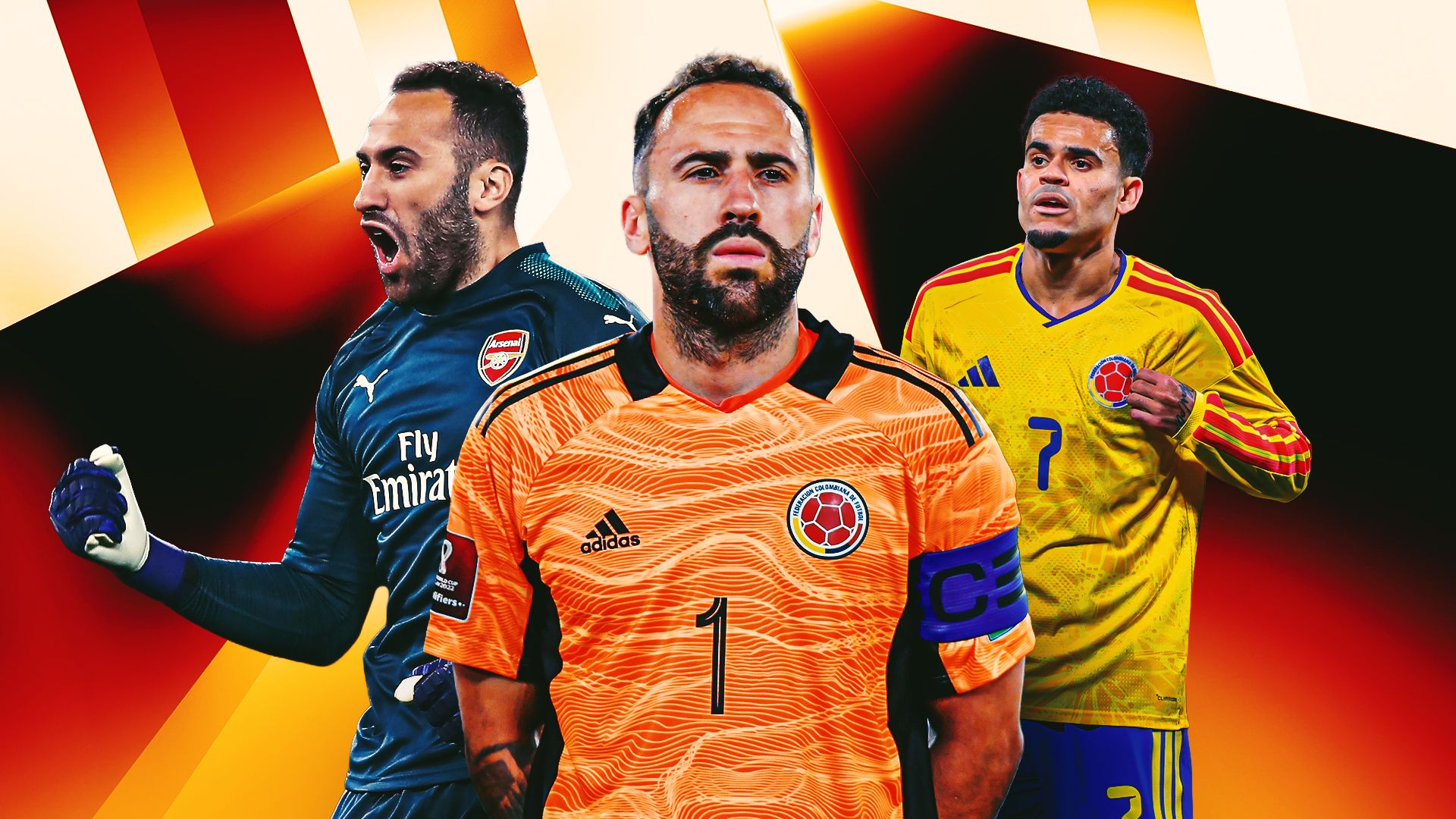

A Career Forged in Fire: Ospina's Enduring Legacy
The clock is ticking, but for David Ospina, time seems to bend. As Colombia's seasoned shot-stopper, he stands on the cusp of what could be the nation's most thrilling World Cup campaign yet, leading a generation overflowing with talent.
Key Points:
- David Ospina, at 37, continues his remarkable career, eyeing the 2026 World Cup with Colombia.
- His standout performances for Nice and at the 2014 World Cup earned him a dream move to Arsenal.
- He reflects on the significant evolution of the goalkeeper's role and praises former teammate Mikel Arteta's coaching prowess.
- Colombia boasts an "unprecedented talent" pool, including stars like Luis Diaz and James Rodriguez, fueling high hopes for 2026.
From Relegation Battles to the Global Stage
At 37, with his 38th birthday approaching after the next World Cup, Ospina's longevity is a testament to his dedication and skill. Few goalkeepers achieve such a sustained career at the top level, especially after a breakout tournament.
His journey hasn't been without its twists. Before his global recognition, Ospina was the bedrock for a struggling Nice side in the 2013-14 season. His 13 clean sheets were pivotal, almost single-handedly steering the French club away from relegation, despite their anemic attack.
That stellar club form translated seamlessly onto the international stage. His impressive 2014 World Cup showing, conceding just four goals in 450 minutes, caught the eye of Europe's elite. Soon after, Arsenal came calling.
"Having belonged to a team like Arsenal was a dream come true. Living that experience was something magnificent in my career," Ospina fondly recalls.
Goalkeeper Evolution and North London Challenges
Adapting to Modern Demands
Upon arriving in North London, Ospina found himself at a fascinating juncture in goalkeeping history. The role was undergoing a profound transformation, demanding more from shot-stoppers than just preventing goals.
"Today, our position has taken on a much more significant role, largely because we are now expected to be far more involved with our feet – something that wasn't nearly as necessary in the past," he explains. This evolution wasn't a sudden shift but a continuous adaptation that Ospina embraced.
He understands the importance of this change, noting, "Possessing technical proficiency is crucial, as it allows us to initiate attacking sequences right from the back. The goalkeeper has truly become an integral part of the starting eleven – no longer merely the player who prevents goals, but also the one capable of orchestrating a transition quickly and precisely."
Arsenal Tenure: Highs, Lows, and Wenger's Wisdom
While his Arsenal career saw flashes of brilliance, it was ultimately a mixed spell. Injuries hampered his progress, and the arrival of Petr Cech further limited his opportunities to cement a permanent starting spot.
Nevertheless, his time at the Emirates provided invaluable experiences. He benefited from the mentorship of coaching legend Arsène Wenger and played alongside future managerial sensation, Mikel Arteta.
"I had the opportunity to have him as a teammate when I first arrived at Arsenal. Even back then, he demonstrated his leadership and showed what he could contribute to the game over the course of his career," Ospina states, unsurprised by Arteta's rise to management.
Ospina still keenly follows his former club, expressing optimism for their title aspirations. "They have a massive opportunity to win the Premier League, led by an excellent manager and featuring young players who are performing exceptionally well. So, let's hope they can achieve that milestone. It would make me very happy to see Arsenal win the Premier League title."
Colombia's Golden Era: A World Cup Beckons
A Blend of Experience and Youthful Fire
Now playing for his boyhood club, Atletico Nacional in Colombia, Ospina has a vantage point to observe his nation's footballing future. He sees a squad teeming with talent – arguably the strongest Colombia has ever produced.
The current generation features established European stars and exciting young prospects. "We have players at major clubs in Europe, such as Lucho Suarez and Luis Diaz, who are incredibly important figures. We also count on a player like James Rodriguez, with his experience and quality, as well as Davinson Sanchez, who has been playing in top-tier leagues for quite some time now," he notes.
Beyond the household names, a fresh wave of talent is emerging, including Richard Rios, Juan Cabal, Daniel Munoz, and potentially Jhon Duran. This depth provides Colombia with options across every position, a luxury they haven't always enjoyed.
"We have players with a great deal of experience, as well as young players who are eager to do things right. There are others among us, those with a bit more experience, who can make very positive contributions to the national team," Ospina emphasizes.
The Weight of Expectation for 2026
While not outright favorites, Colombia will arrive at the 2026 World Cup with significant expectations. A favorable draw and a surge of momentum could easily see them vying for a semifinal spot – a goal that feels more attainable than ever before.
Ospina himself is a face of Modelo's World Cup campaign, highlighting the collective spirit of the sport. "Modelo brings people together, allowing them to experience unique moments anywhere in the world – even right from their own homes – and to share those moments with friends and family," he shares. For Ospina, and for Colombia, 2026 represents perhaps the best opportunity for national team glory.
.png)


