
The Eni Aluko & Ian Wright Punditry War: A Battle Over Influence and Opportunity
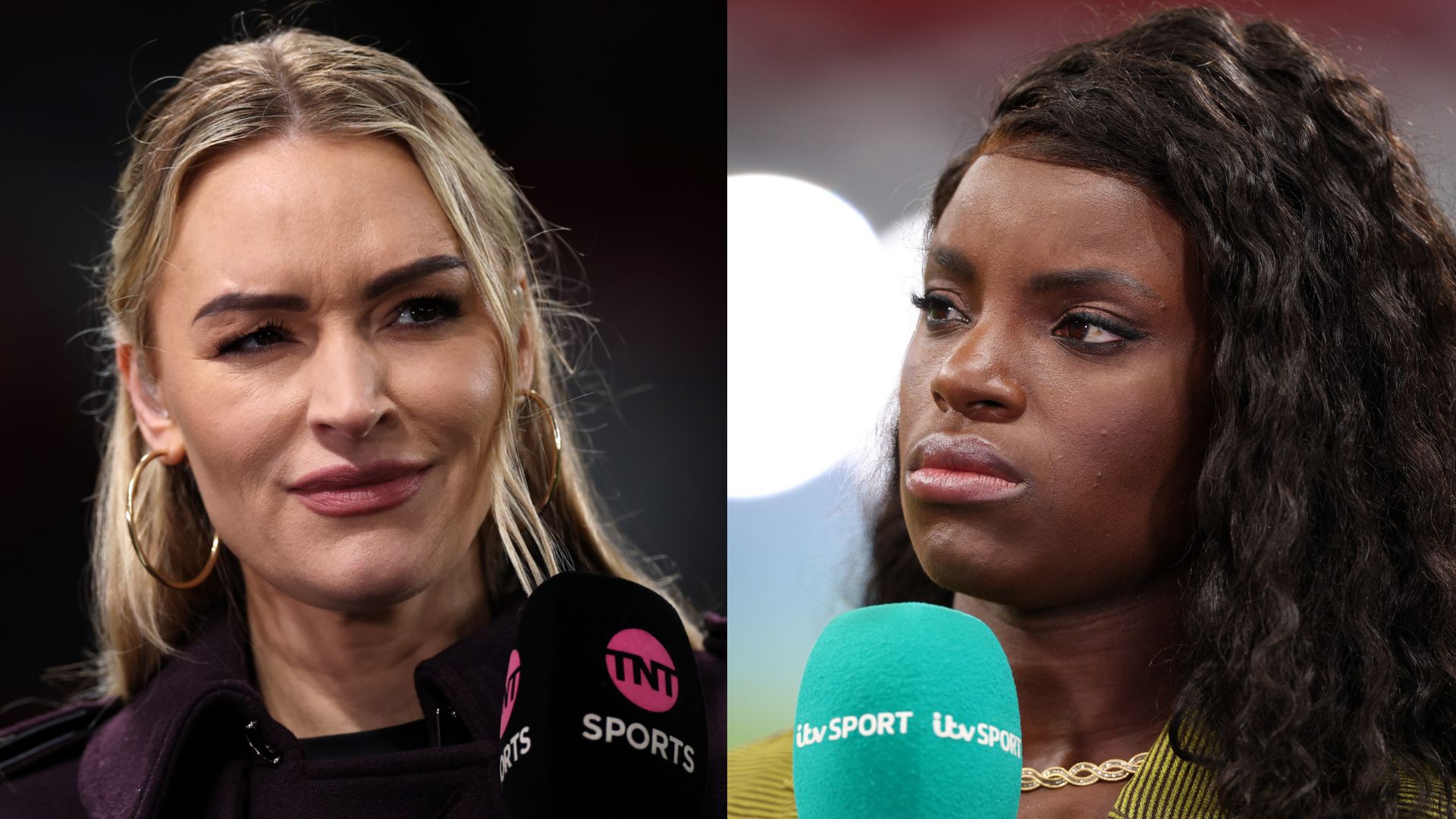
The gloves are off! Eni Aluko has reignited the fiery debate surrounding punditry roles in women's football, directly challenging Arsenal legend Ian Wright and drawing sharp criticism from presenter Laura Woods. This isn't just about screen time; it's a profound battle over opportunity, influence, and the very identity of the women's game.
Key Takeaways from the Punditry Storm
- Eni Aluko claims male pundits like Ian Wright unfairly occupy broadcast spots for women's football.
- She criticizes Wright for not using his influence as an "ally" to help her career when her ITV contract wasn't renewed.
- Laura Woods vehemently defends current broadcast practices, stating merit and broader appeal, not caps, win roles.
- The debate highlights crucial questions about representation, gatekeeping, and the inclusive growth of women's sport media.
Aluko's Explosive Critique of Broadcast Choices
The former England international didn't hold back, detailing her frustration with the punditry lineup for the Women's Euro 2025 final. Aluko highlighted that two of the six key spots across BBC and ITV were filled by men: Ian Wright and former Manchester City defender Nedum Onuoha. This, she argues, is unacceptable when highly-capped female players like herself and Fara Williams (who boasts an incredible 172 caps) were watching from the stands.
Her argument suggests a structural imbalance, where limited opportunities in women's football punditry are being consumed by men, while female pundits rarely get similar breaks in the men's game. It's a stark reality check on how broadcast decisions impact career trajectories.
The Allyship Expectation: Aluko's Direct Challenge to Wright
Aluko's latest comments, made on the 90s Baby Show, went a step further, revealing a personal plea to Ian Wright's agent after ITV chose not to extend her contract, prioritizing Wright's deal instead. She sought Wright's influence, expecting him to leverage his position as a prominent figure and self-proclaimed "ally" to help her secure work.
"That's what I expect from an ally – sacrifice," Aluko declared, accusing Wright of failing to live up to his public image. She believes he should have willingly stepped aside from some opportunities, recognizing her significant contributions as a "main character in women's football" and the greater difficulty she faces securing equivalent roles in the men's game.
Laura Woods Delivers a Stinging Rebuttal
ITV presenter Laura Woods swiftly entered the fray, offering a powerful counter-argument to Aluko's claims. Woods firmly stated that international caps alone do not guarantee punditry success. Instead, she emphasized the importance of communication skills, articulation, research, audience engagement, and panel chemistry as the true determinants of a great pundit.
Woods also dismissed the notion that "the women's game should be by women for women" as a "damaging phrase." She argued that such an approach would hinder the sport's growth, advocating for broader appeal that includes male viewers. Figures like Ian Wright, she contends, play a vital role in attracting and retaining a diverse audience, which is essential for the sport's continued expansion.
The Broader Debate: Representation vs. Growth
This ongoing feud between prominent figures in football media isn't just personal; it reflects a larger, critical debate within the rapidly expanding world of women's football. It pits the desire for female representation in all aspects of the game against the strategic need to attract the widest possible audience, which sometimes involves leveraging established male personalities.
Is it a zero-sum game, or can a balance be struck? The discussion forces broadcasters, players, and fans to consider what genuine allyship looks like and how best to ensure the growth of women's football benefits all who contribute to its success.
What Comes Next in This High-Stakes Exchange?
While Aluko previously apologized to Wright for earlier comments – an apology he reportedly didn't accept – this latest outburst is far more direct and personal. Ian Wright has yet to publicly respond, leaving the football world watching closely. The resolution of this highly public dispute will undoubtedly shape future conversations around gender, opportunity, and influence in sports broadcasting.