
The roar of a new era has begun! The 2026 F1 season promises a revolutionary shift with its complex power unit overhaul, and the recent Barcelona shakedown offered a tantalizing first glimpse of what's to come. While initial nerves about reliability were high, most teams emerged with cautious optimism, setting the stage for an intense pre-season.
Key Takeaways from Barcelona:
Unpacking the 2026 F1 Shakedown: Team by Team Analysis
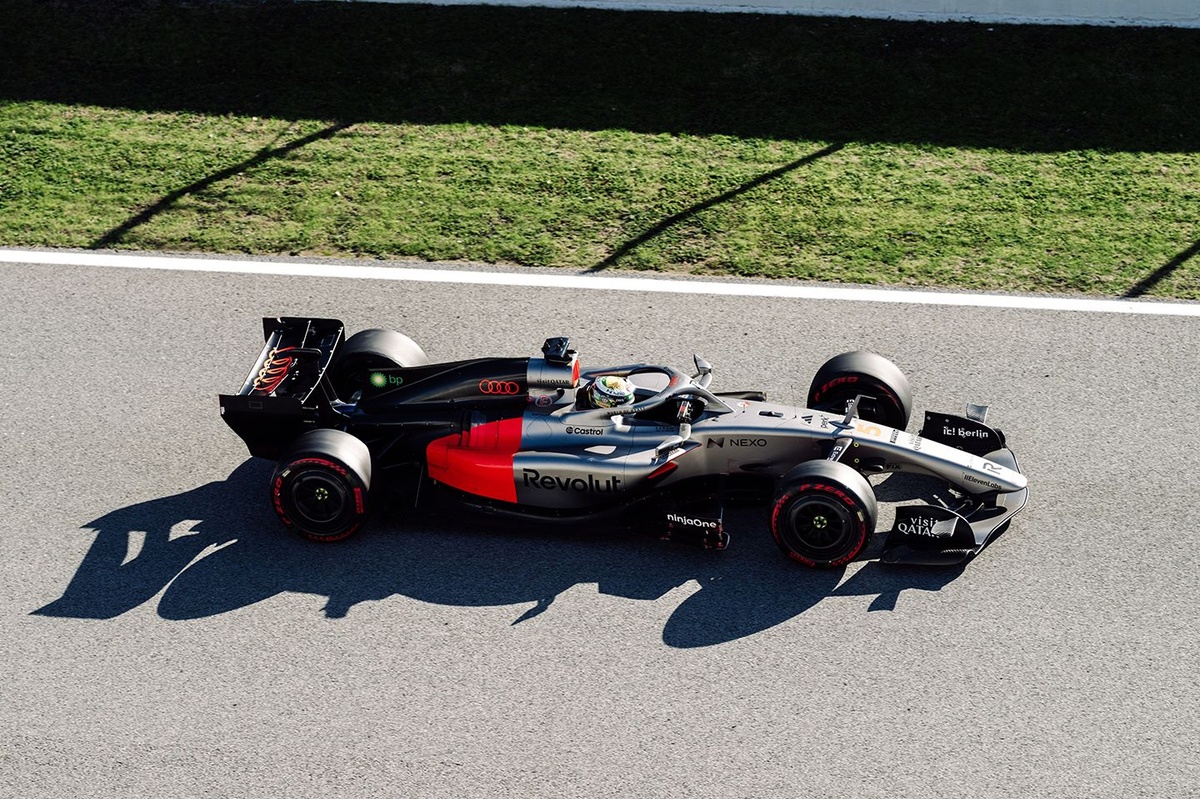
The 2026 regulations, emphasizing a significantly more powerful MGU-K electric system, demanded an extra pre-season shakedown. This behind-closed-doors event in Barcelona allowed teams to iron out initial kinks, proving far smoother than the turbulent 2014 engine transition.
Mercedes: Setting the Benchmark for Reliability
Mercedes absolutely dominated the mileage charts, completing a staggering 500 laps across three days with George Russell and Andrea Kimi Antonelli. The W17 ran with impressive consistency, swiftly moving from basic system checks to tentative race simulations and qualifying runs. While reliability doesn't guarantee pace, their flawless start provides an invaluable data advantage as they head to Bahrain for performance fine-tuning.
Ferrari: Quietly Confident in the Scuderia's New Era
Ferrari mirrored Mercedes' reliability, albeit with a slightly different schedule. Charles Leclerc and Lewis Hamilton both expressed satisfaction with a more straightforward debut than in previous years. Their power units collectively amassed nearly 1,000 laps across all customer teams, signaling a robust foundation. Though Hamilton unofficially topped the timesheets, Ferrari rightly downplayed any performance claims, focusing instead on validating core systems.
Red Bull & Racing Bulls: A Promising Debut for Red Bull Ford Powertrains
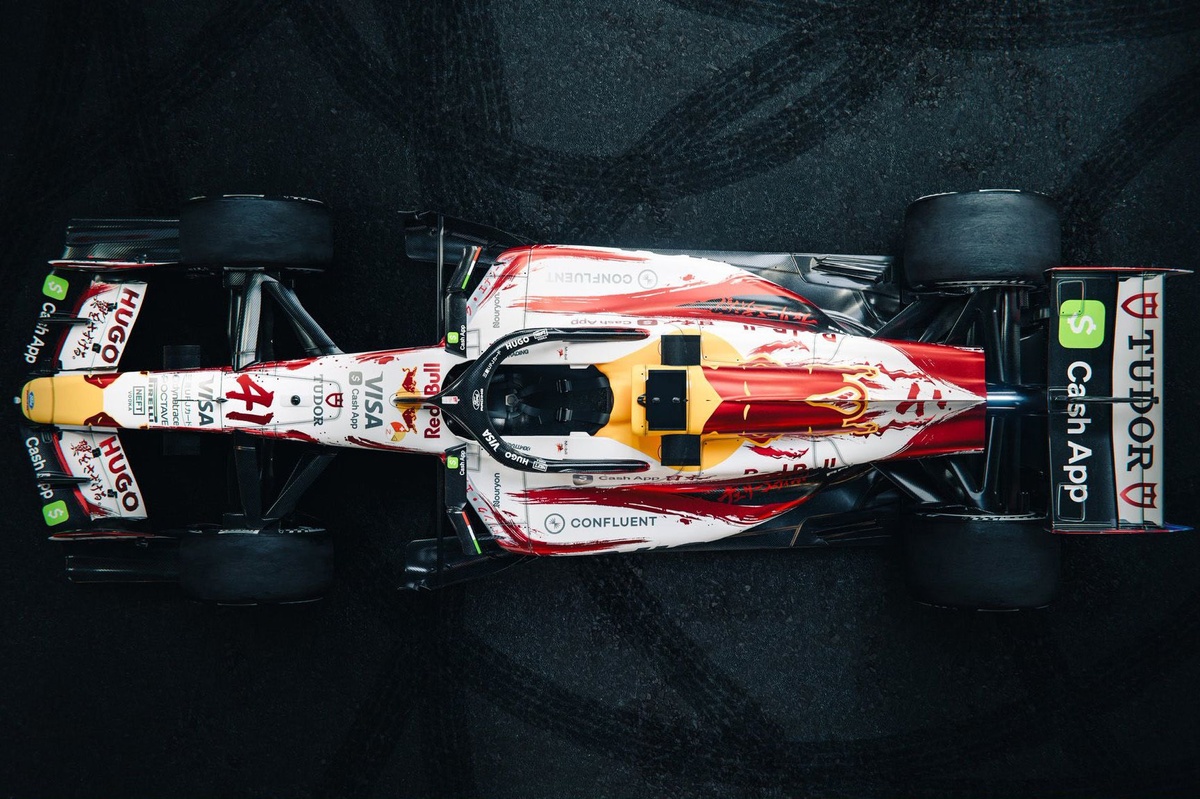
Red Bull's in-house Ford Powertrains engine debuted strongly. Despite rookie Isack Hadjar's minor crash on a wet Day Two, Max Verstappen capped the week with a healthy 118 laps, contributing to a solid data haul. Sister team Racing Bulls also delivered significant mileage with Arvid Lindblad (167 laps) and Liam Lawson, making this a remarkably successful first outing for the new PU manufacturer.
McLaren: Progress Amidst Minor Snags
McLaren's MCL40 arrived late, leading to a condensed program. A fuel system glitch limited Oscar Piastri's running on Day Two, but both he and Lando Norris racked up over 80 laps each on the final day. The Woking team candidly admitted to a steep learning curve with the new power units and their MGU-K demands, yet left Barcelona without any major showstoppers, ready for deeper analysis.
Aston Martin: Adrian Newey's Design Draws Eyes, but Mileage is Low
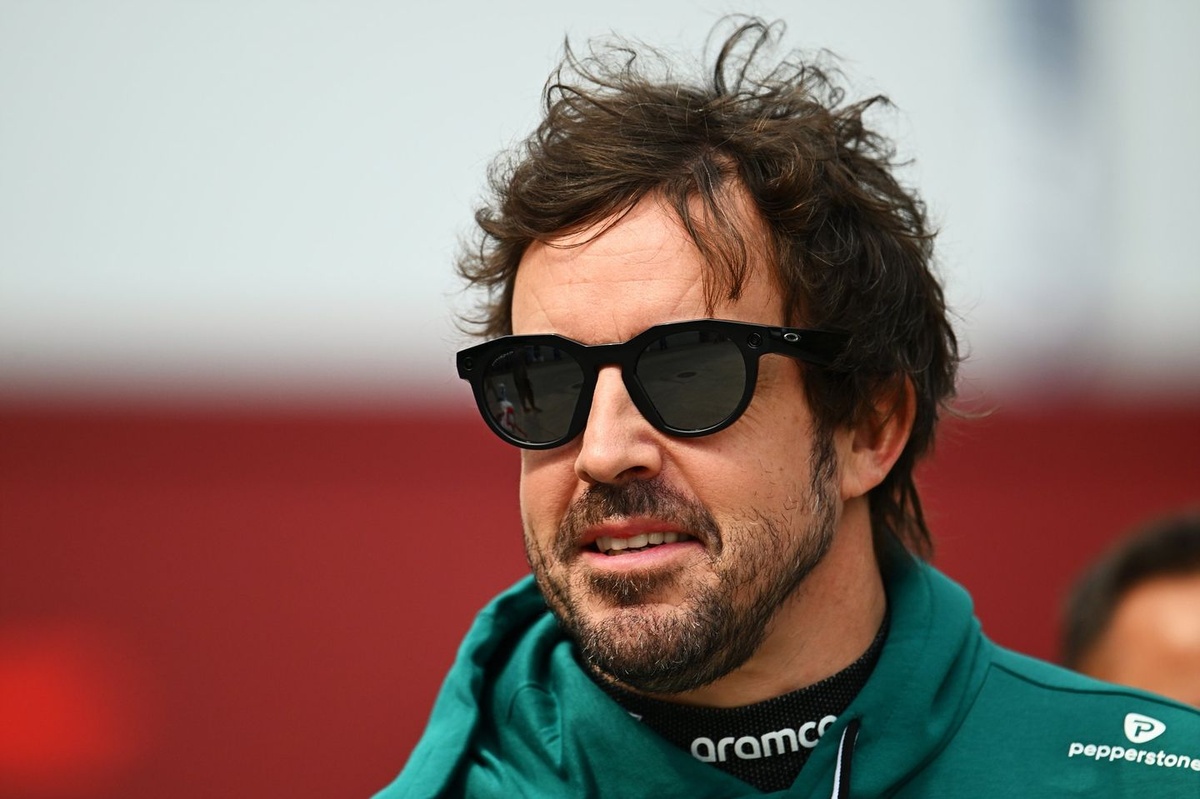
All eyes were on Adrian Newey's first Aston Martin design, which arrived dramatically via a chartered plane. While the AMR26 turned heads with its radical visuals, track time was limited. Lance Stroll managed just 5 laps before an issue, and Fernando Alonso completed 61 laps on the final day. As the sole Honda team, Aston Martin has a lot to catch up on, but the potential of Newey's vision has rivals talking.
Haas: A Resilient Comeback from Technical Glitches
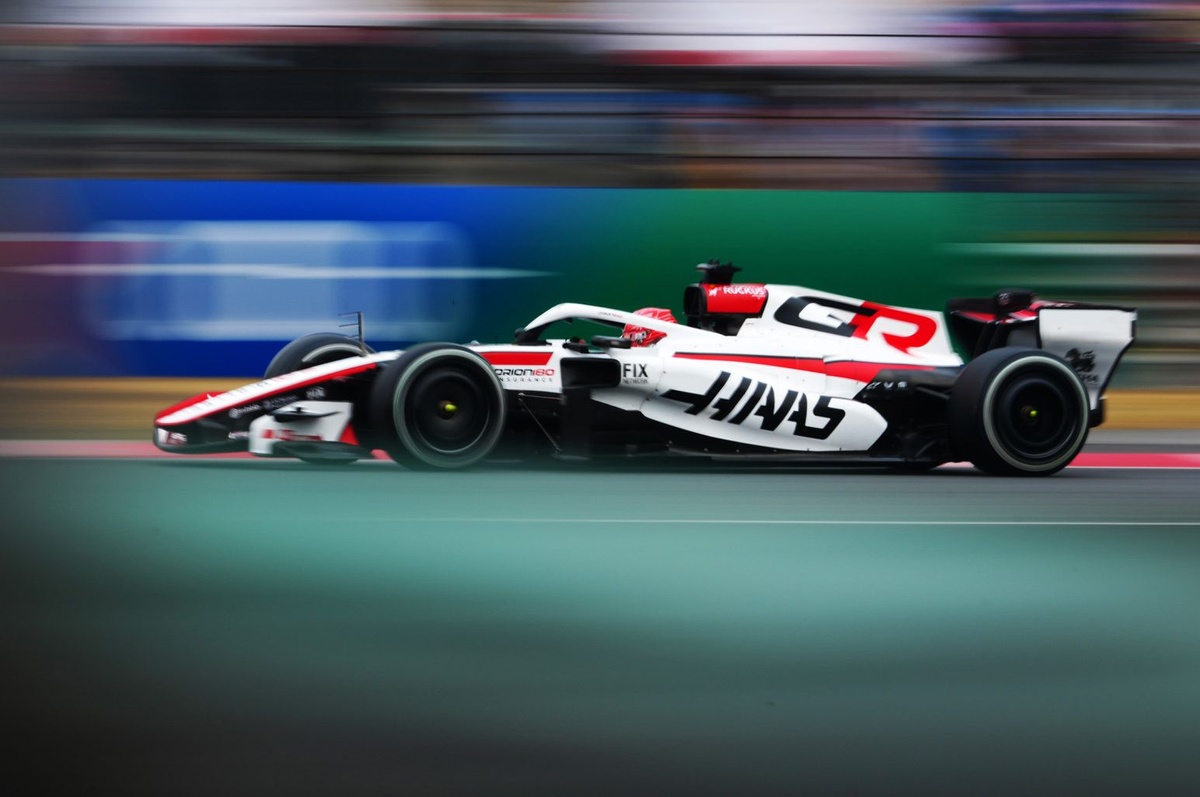
Haas experienced a rollercoaster week. A productive Day One was followed by significant garage time due to a car-side reliability issue. However, the team's swift response, flying in new parts overnight, allowed Oliver Bearman and Esteban Ocon to complete a strong final day, bringing their total to 391 laps. This resilience showcases their determination to extract maximum learning.
Audi: Initial Headaches, But Growing Confidence
Audi's debut as a new power unit manufacturer wasn't entirely smooth. Gabriel Bortoleto and Nico Hulkenberg faced early challenges, resulting in several red flags and less than 100 laps each on the initial days, with issues reportedly on the power unit side. However, a more productive final day, adding 148 laps to reach 243 total, left the German manufacturer feeling much more positive heading to Bahrain.
Cadillac: A Promising Entry for F1's Newest Team
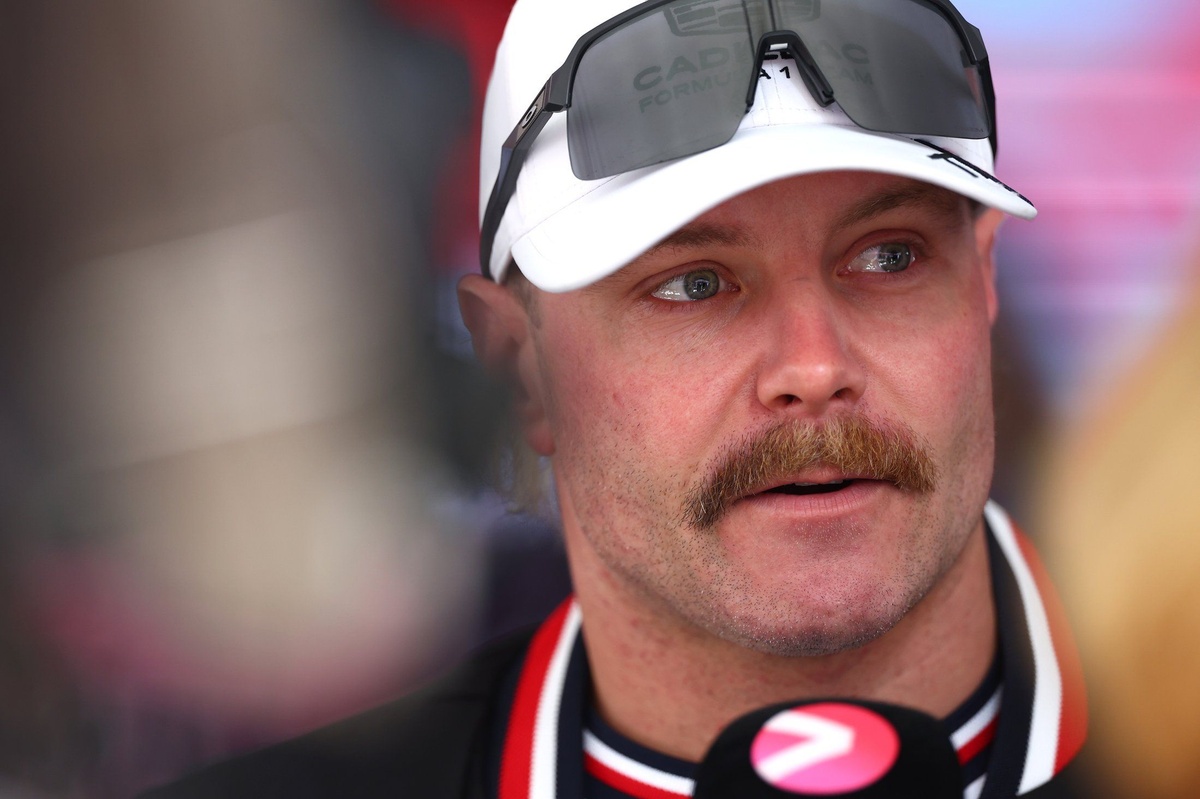
As F1's first startup in a decade, Cadillac made an impressive showing simply by making it to Barcelona. While not trouble-free, Valtteri Bottas and Sergio Perez steadily accumulated mileage. Benefiting from reliable Ferrari power plants, Cadillac demonstrated the hallmarks of a genuine F1 operation. The true performance of their car remains an unknown, but their successful debut is undeniably encouraging.
Williams: A Missed Opportunity with Consequences?
Williams was the glaring absentee in Barcelona. Prioritizing long-term spares and updates, team principal James Vowles opted out, pushing virtual testing instead. While their Mercedes power unit and gearbox have been shaken down by others, missing crucial track time means Williams will arrive in Bahrain with more ground to cover than their rivals. It’s an early setback that raises questions, but six days of testing in Bahrain still offer a chance to catch up.