
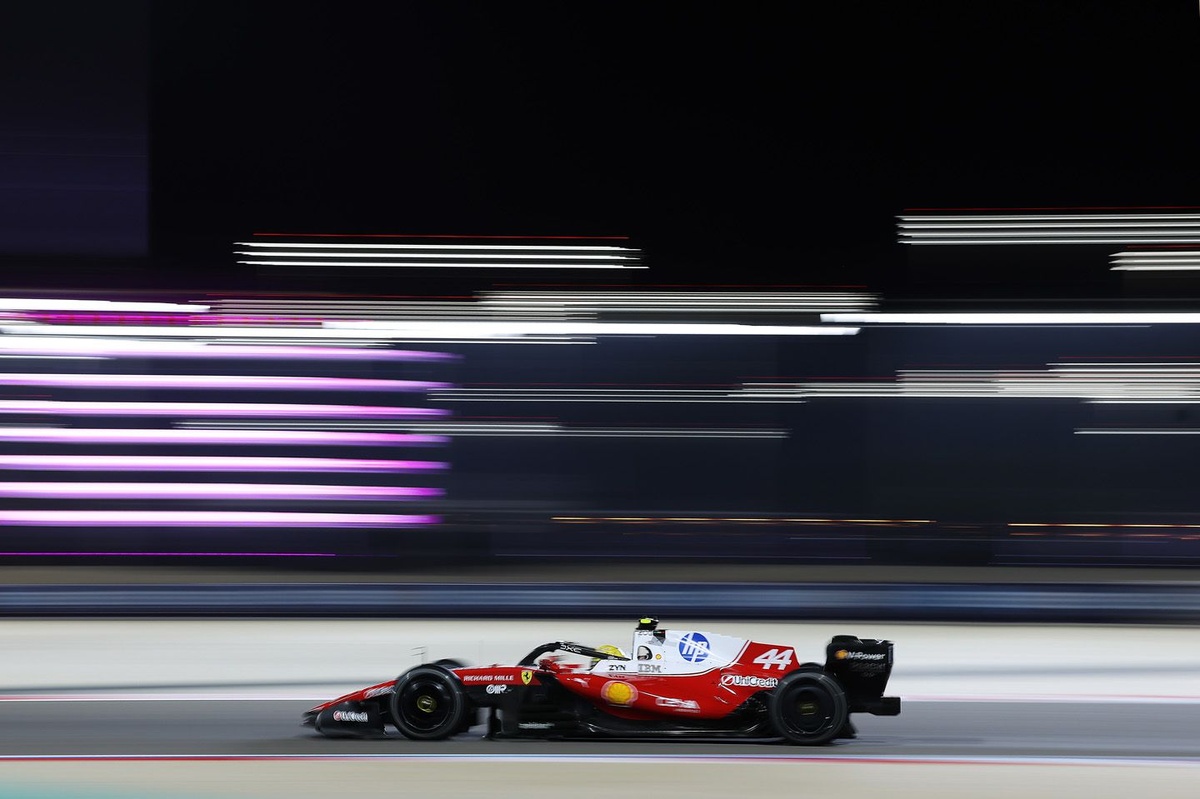

The 2026 Formula 1 season promises a dramatic shift in strategy, and it's not just about the new cars on track. Beyond the raw speed, teams and drivers face an intricate, high-stakes puzzle in qualifying: how to perfectly balance tyre performance with the car's complex energy management system. This isn't just about setting the fastest lap; it's a strategic chess match unfolding before our eyes.
Key Challenges for F1 2026 Qualifying
- The F1 2026 regulations introduce a critical conflict between achieving optimal tyre warm-up and preserving battery energy for the crucial flying lap.
- Drivers like Sergio Pérez and George Russell have already highlighted the existing complexities of energy management over single and race laps.
- This new dynamic is expected to lead to "double preparation laps" becoming a standard practice in qualifying sessions.
- Circuits with low severity tarmac or cold conditions, such as Las Vegas or Baku, will significantly amplify this strategic conundrum.
The Delicate Dance: Power and Tyre Warm-up
Forget simply nailing the apex; Formula 1 qualifying in 2026 demands a whole new level of finesse. Pre-season testing in Bahrain has already revealed a fascinating dilemma. Drivers must heat their Pirelli tyres to their optimal operating window during the out-lap, often requiring an aggressive push. However, this aggressive driving simultaneously depletes the vital electrical energy needed for the actual flying lap.
Pirelli motorsport chief Mario Isola pointed out this unexpected complication. "To have the tyres ready for the push lap... they have to run the out-lap at a certain speed," he explained. "But with the new cars, they don't want to use the electric part of the power because they need this for the push lap." It's a classic catch-22, demanding precision and sacrifice.
Mastering Energy: A Constant Conundrum
The struggle with energy management is not entirely new. Drivers already grapple with deploying and harvesting power effectively throughout a lap. Sergio Pérez admitted to 0.8-second fluctuations in his deployment over a race run during testing, highlighting the difficulty in maintaining consistency.
George Russell from Mercedes further elaborated on the tactical trade-offs. He noted that pushing harder through corners to gain a few tenths might lead to increased energy consumption and reduced harvesting. This ultimately leaves less power for the crucial straight sections, potentially costing time overall. The new regulations only intensify this multi-dimensional challenge.
The Rise of Double Preparation Laps?
This intricate balance could fundamentally alter qualifying procedures. Isola confirmed that some teams during testing were already utilizing an "out-lap plus a preparation lap" to get tyres ready while saving battery. This "double preparation lap" strategy might become commonplace, especially at tracks where tyre heating is difficult without excessive energy expenditure.
While Pirelli hadn't fully anticipated this specific interaction with the new cars, their development direction for the 2026 tyres, focusing on a wider operating window, should offer some relief. This wider window aims to minimize overheating and make tyre management slightly less precarious.
Circuit Specifics: Where Strategy Becomes Paramount
The severity of this challenge will vary drastically from track to track. Bahrain, with its rough tarmac, makes generating tyre heat relatively easier, thus mitigating the energy drain. However, circuits like Barcelona, and particularly Las Vegas and Baku with their low-severity tarmac, cold conditions, or unique layouts, will present a far greater strategic headache.
Haas team principal Ayao Komatsu echoed these concerns, pinpointing Baku and Las Vegas as prime examples where the conflicting demands of tyre and battery preparation will be most acute. "You have this multi-dimensional optimisation issue. You've got to find the right compromise, so that will be challenging, I think," Komatsu stated.
Sprint Weekends: The Ultimate Test of Adaptability
The compressed schedule of F1 Sprint weekends will magnify this qualifying conundrum into a full-blown crisis. With significantly less practice time, teams will have a drastically reduced window to fine-tune their intricate tyre and energy management strategies for each circuit.
Komatsu expressed particular apprehension about the Shanghai Sprint weekend. "One hour of practice to get ready for sprint qualifying, that's going to be a huge challenge," he remarked. The inaugural Melbourne race will offer a crucial learning curve, but the rapid transition to a sprint format will demand immediate, perfect execution from every team.
The 2026 Formula 1 season is shaping up to be a true test of engineering ingenuity and driver adaptability, where every millijoule of energy and every degree of tyre temperature could make or break a qualifying lap.