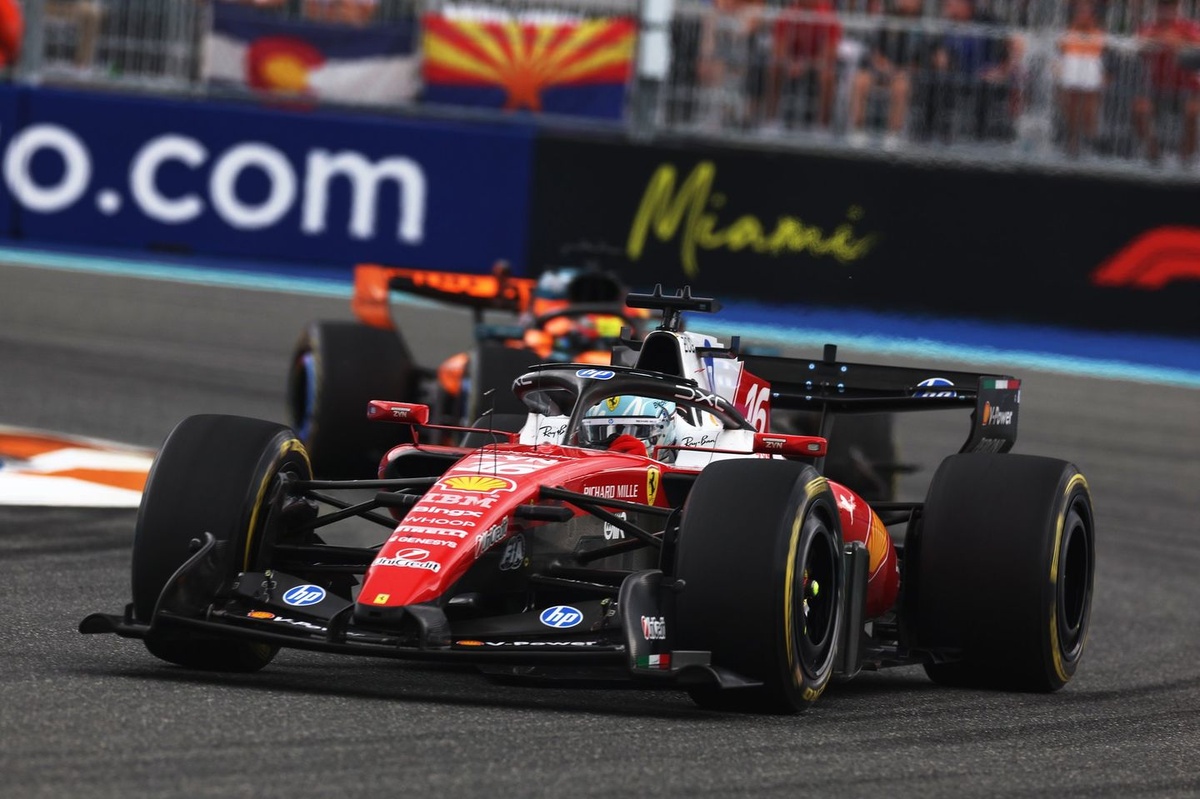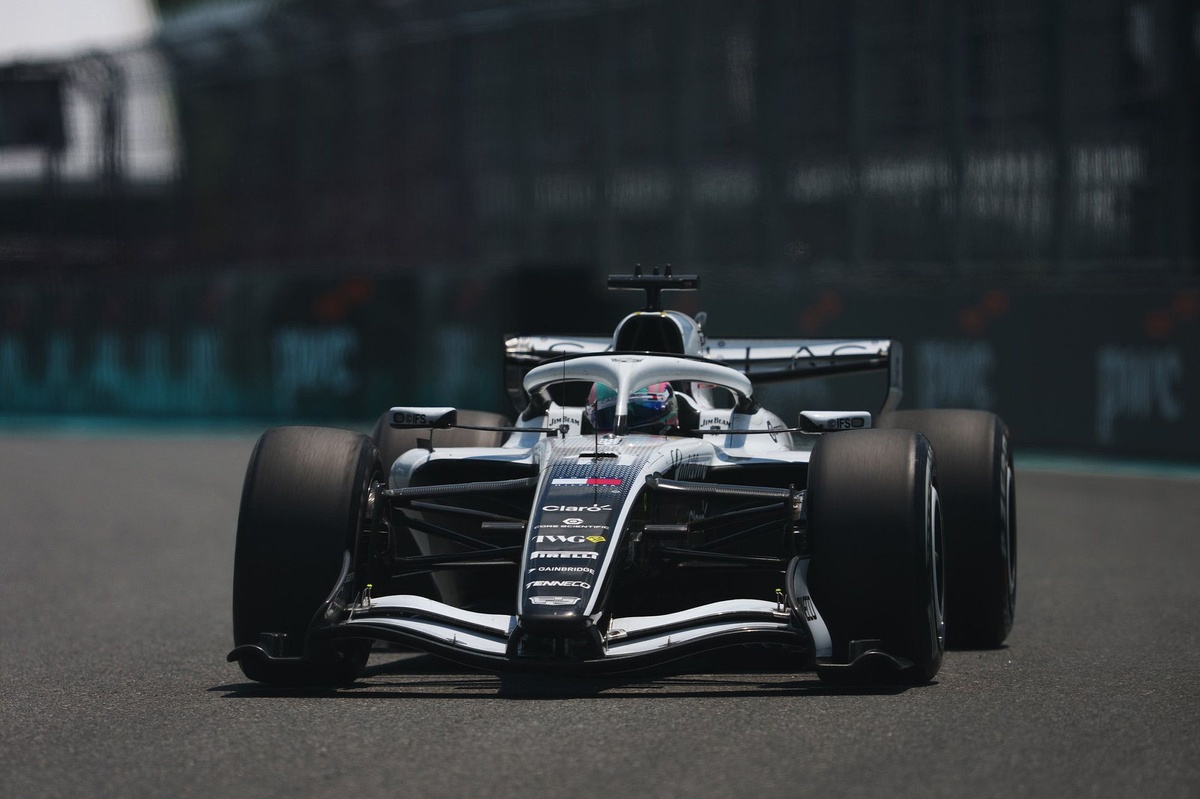


The Internal Showdown: Where Every Millisecond Counts
The roar of Formula 1 isn't just about the fight for pole position; it's a relentless internal war between teammates, a dance of millimeters and milliseconds that defines careers and team dynamics. As we hypothetically gaze into the F1 2026 season, the early qualifying head-to-head records—analyzed over the first four theoretical Grand Prix weekends—reveal a landscape of brutal competition, even within the same garage. The pursuit of grid supremacy starts with beating your most direct rival.
Key Takeaways from Early 2026 Qualifying Battles
- Razor-Thin Margins: Many internal battles are decided by mere hundredths of a second, showcasing the incredible talent parity at the elite level.
- Sprint vs. Traditional Qualifying: The addition of sprint weekends can significantly alter a driver's perceived head-to-head record, demanding adaptability.
- Dominance is Relative: While some drivers establish clear leads, their average time advantage over their teammate often remains incredibly small.
- Incidents Can Define Records: Technical issues, crashes, and penalties frequently play a pivotal role in shaping qualifying statistics.
The Internal Showdown: Where Every Millisecond Counts
Across the grid, the internal qualifying duels are as intense as any on-track battle. We're seeing 3-3 stalemates where neither driver has a clear advantage, pushing both to their absolute limits. In one instance, a 3-3 overall record masks a 3-1 lead for one driver in traditional qualifying, highlighting how different formats test distinct skill sets. These incredibly tight contests are often decided by margins as minuscule as 0.095s in a critical Q3 session, proving that even a fraction of a second can swing the momentum.
Other teams are witnessing an early shift in dominance, with records like 5-3 or even 7-1 emerging. Yet, even in these seemingly one-sided battles, the average time differential can be surprisingly small—sometimes as little as 0.058s in Q3. This underscores that consistent performance and the ability to extract maximum pace are paramount, even when the raw scores suggest a clear leader.
The Sprint Factor: A Different Kind of Pressure Cooker
Sprint weekends continue to add a fascinating layer to the teammate rivalry. The data shows instances where a driver's overall head-to-head score might be tied, for example 3-3, but their record without sprints stands at 3-1. This indicates a strong performance in traditional qualifying that might be offset by the unique demands of a sprint format. Conversely, some drivers excel when the pressure of a single, quick lap for sprint grid positions is on, demonstrating their ability to perform under varied competitive structures.
Beyond the Front Row: Midfield and Backmarker Tussles
While the spotlight often falls on the top teams, the midfield and backmarker qualifying battles are no less fierce. Drivers fighting for P14 against P15, or striving to make it out of Q1 (think P17 vs P18), are pushing just as hard. Margins as fine as 0.008s in SQ2 are observed, illustrating that every single position gained can be crucial for team strategy and morale, particularly when grid penalties loom.
Crucially, external factors also play a significant role. The early 2026 statistics include instances of a DSQ - technical breach, a driver failing to set a no lap time, or even a crash impacting the final results. These unfortunate events can dramatically skew a driver's qualifying record, making a true head-to-head comparison challenging but nonetheless vital for internal team assessment.
The Unrelenting Quest for Supremacy
As the F1 2026 season hypothetically unfolds, the qualifying head-to-head records serve as a stark reminder: a driver's first and most important rival is always their teammate. These internal battles, decided by the tiniest margins and influenced by every twist and turn of a Grand Prix weekend, are fundamental to understanding the true pecking order within each team and the broader competitive landscape of Formula 1. The fight for intra-team bragging rights fuels the pursuit of excellence, pushing both drivers and machines to their absolute limits in the quest for glory.