
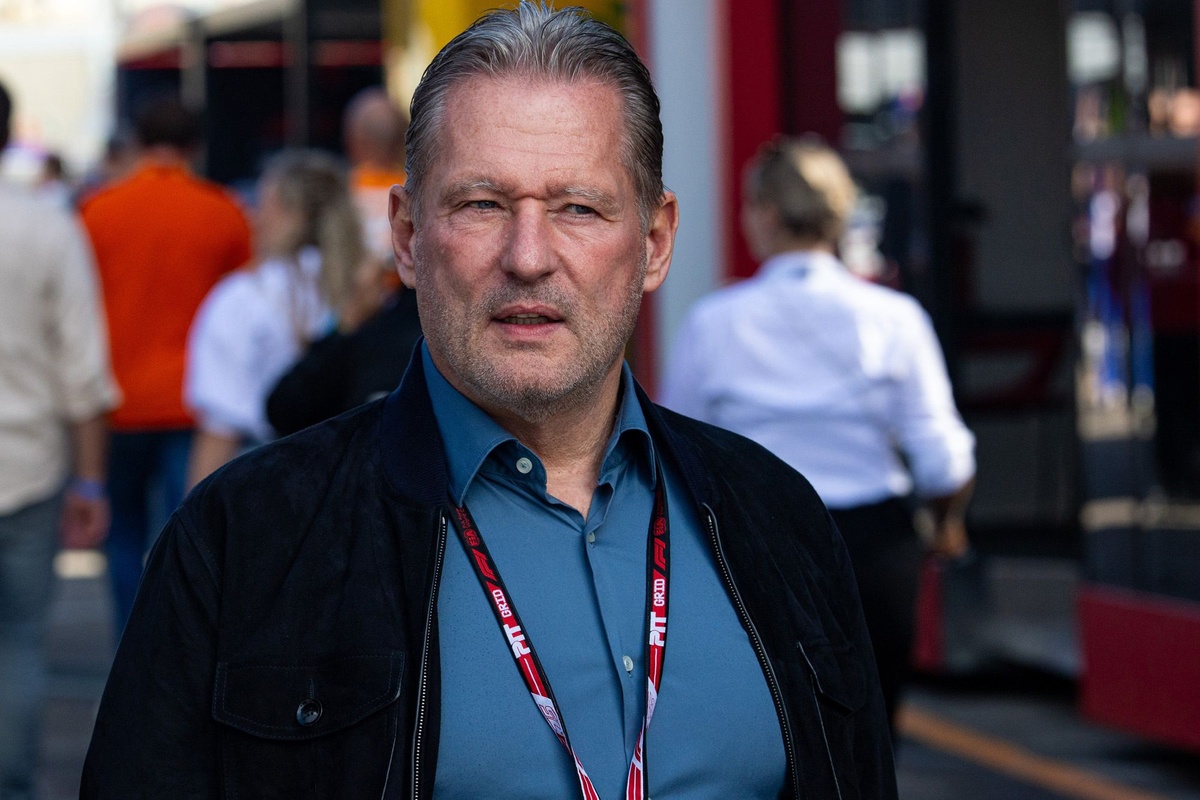

The roar of the engines might be thrilling, but according to Jos Verstappen, the architect of a four-time world champion, Formula 1's 2026 regulations are steering the sport into a ditch of artificiality, prioritizing "chaos" over raw racing talent.
Key Points:
- Jos Verstappen criticizes F1's 2026 regulations for undermining pure racing skill.
- The new rules, focusing on energy management, frustrate drivers like Max Verstappen.
- He argues "Overtake Mode" and energy tactics create artificial "chaos," not genuine racing.
- The racing legend believes true talent is no longer adequately rewarded on track.
A Champion's Father Sounds the Alarm on F1's Future
Jos Verstappen, father to reigning Formula 1 sensation Max Verstappen, has delivered a stinging indictment of the sport's upcoming 2026 regulations. His outspoken views suggest a deep concern that the very essence of racing is being diluted by technical mandates.
He pulls no punches, declaring that the new era fosters "chaos" rather than celebrating driver prowess. This critique comes from a man who has lived and breathed racing at the highest level.
The Technical Shift: Energy Management Takes Center Stage
The 2026 regulations introduce radical changes, notably an almost 50:50 split between internal combustion and electric power. This significant shift aims to make the sport more sustainable and technically challenging.
Alongside active aerodynamics, a new "Overtake Mode," and lighter chassis, these innovations are intended to shake up the competitive landscape. However, for critics like Verstappen Sr, these innovations push the sport away from traditional racing and towards complex energy management strategies.
Max Verstappen's Frustration: A Driver's Perspective
"I was there at the end of January during the private test days in Barcelona," Jos Verstappen revealed to De Telegraaf. He recounted witnessing his son's disillusionment firsthand.
"Max goes out on track, and you quickly notice that he doesn’t enjoy driving these cars at all. And I completely understand his frustration." This insight from a driver who has sampled the new machinery is a powerful indicator of the challenges ahead for competitors.
When Pushing Hard Makes You Slower
Jos Verstappen elaborated on the counter-intuitive nature of the new cars. "As a driver, you should be rewarded for your courage and your abilities."
"But now, if you push as hard as possible through a corner, you actually end up slower over a lap." This fundamental shift fundamentally alters the racing dynamic, forcing drivers to prioritize battery conservation over outright speed through every corner.
It's a stark contrast to the "push-to-the-limit" mentality synonymous with Formula 1, where daring cornering has always been a hallmark of champions.
The "Chaos" of Artificial Overtakes
While some proponents argue the new rules will lead to more overtakes, Verstappen Sr dismisses this as superficial. "The point is that as a driver, you can barely showcase your talent anymore," he asserts.
He argues that overtakes achieved because an opponent's battery is depleted are not true demonstrations of skill. "Closing up to someone in the slipstream and then trying to outbrake them — that’s what racing is about, in my opinion."
"Now you see a lot of overtakes happening halfway down the straight because the other driver has no energy left." For Jos Verstappen, this artificiality "has nothing to do with overtaking" and merely creates a "chaos" that appeals to a certain audience but sacrifices the sport's integrity.


