
F1 2026 Rules Under Fire: McLaren Demands Safety Overhaul
The future of Formula 1 racing hangs in a precarious balance, with McLaren team principal Andrea Stella issuing a stark warning: the radical 2026 power unit rules are a recipe for danger and dull racing unless urgent changes are made. Following intense pre-season testing, serious flaws in the new F1 2026 regulations have come to light, demanding immediate attention from the sport's governing bodies.
Key Concerns with F1's 2026 Power Unit Rules:
- Complex Race Starts: Drivers struggle to spool turbos, risking slow getaways and anti-stalls.
- Hazardous 'Lift and Coast': Energy conservation forces dangerous closing speeds between cars.
- Limited Overtaking: Absence of DRS and early battery depletion stifle on-track action.
- Urgent Action Needed: McLaren boss Andrea Stella calls for immediate fixes before the 2026 season kicks off.
The Electric Future's Glitches: What Pre-Season Revealed
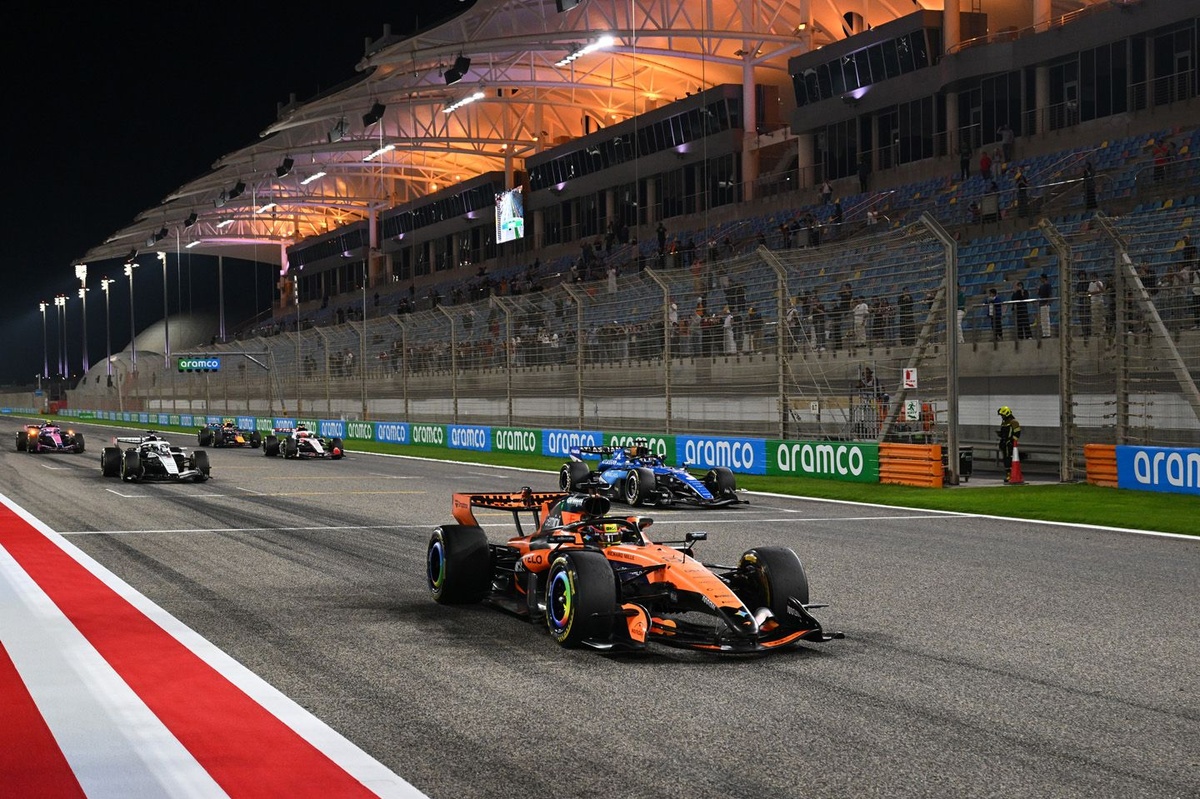
The shift to Formula 1 power units with a near 50% electric component has been a talking point for months. Now, after cars hit the tarmac for shakedowns in Barcelona and the official pre-season test in Bahrain, initial trepidation has transformed into tangible concern. These initial runs have exposed three critical issues that are giving teams and drivers major headaches.
Grid Chaos Looms: A Race Start Nightmare?
One of the most alarming revelations centers around the 2026 race starts. Cars now rely heavily on the V6 engine to spool up the turbo, a process that requires drivers to be on the throttle for over 10 seconds to reach optimal boost levels. Get it wrong, and you're either crawling off the line or, worse, hitting anti-stall, as Alpine's Franco Colapinto experienced in Bahrain.
Andrea Stella highlighted this as a crucial safety concern. Cars starting further back on the grid might not even have the necessary time to prepare, creating unpredictable and potentially dangerous scenarios right from the lights out. He stressed that