
Formula 1 2026: Revolution Unleashed
Formula 1 isn't just evolving for 2026; it's undergoing a full-blown revolution, promising a season unlike anything we've witnessed in recent memory. The sport's audacious new F1 2026 regulations are poised to shake up the grid, bringing a wave of technical innovation and fresh competition that could redefine the championship battle. Get ready for lighter cars, groundbreaking engines, and two monumental new teams.
Key Points for F1 2026
- Radically redesigned chassis: smaller, lighter, with innovative active front and rear wings replacing DRS.
- Revolutionary hybrid power units: A 50:50 split of internal combustion and electrical power, ditching the MGU-H.
- New blood on the grid: Audi arrives as a full works team, and Cadillac joins as the 11th constructor.
- Red Bull-Ford Powertrains debut: The reigning champions face immense pressure with their new in-house engine.
The Car of Tomorrow: Lighter, Nimbler, Smarter
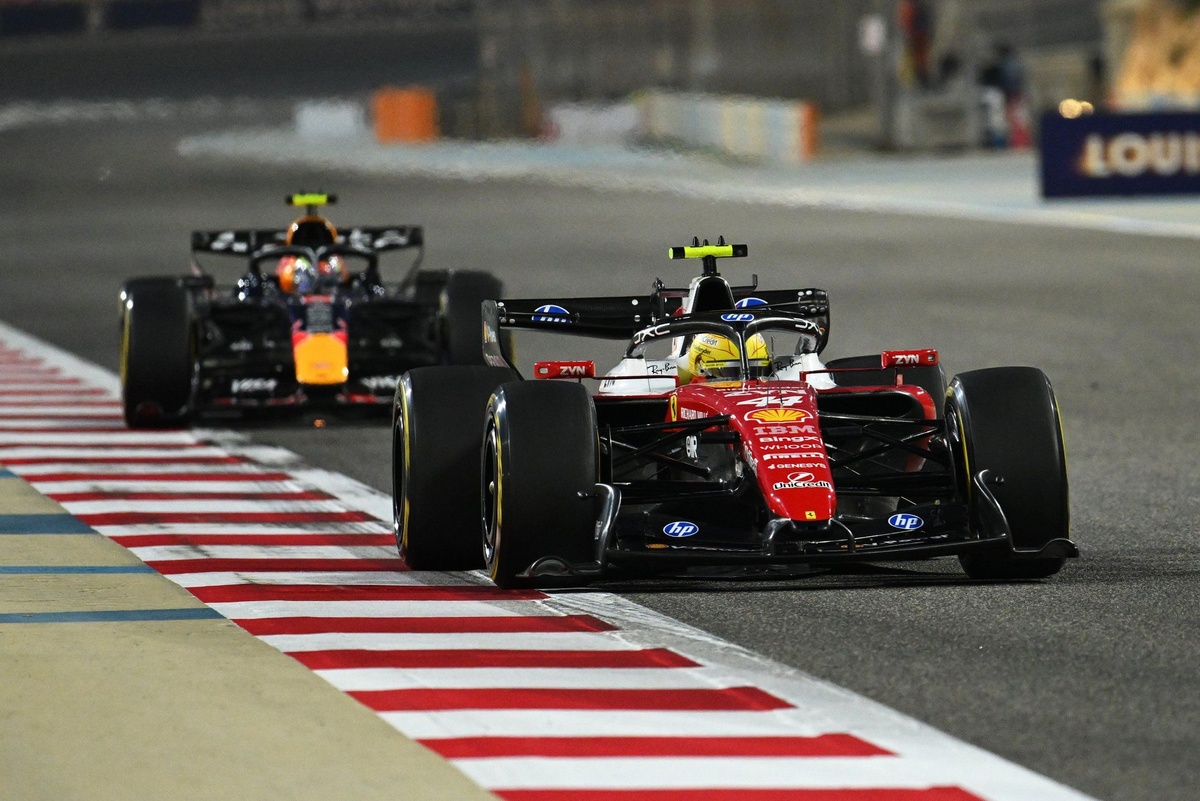
Gone are the bulky machines of old. The 2026 Formula 1 cars are a dramatic departure, boasting a 200mm shorter wheelbase, 100mm reduced width, and a significant 30kg weight reduction. This radical slimming down aims for more agile and responsive racing. Drivers like Esteban Ocon, Oliver Bearman, and Oscar Piastri have already described the new machinery as "more nimble," a testament to the design's success.
The traditional DRS system is out, replaced by a sophisticated active aerodynamic package. Both the front and rear wings will feature movable elements, allowing cars to switch between a low-drag straight-line mode and a higher-downforce cornering setup. This innovation is crucial, addressing concerns about potential top speed limitations with the new power units while promising dynamic strategic battles.
Hybrid Power's Next Evolution: Engines Reimagined
Under the hood, Formula 1 enters a new era of hybrid technology. The 2026 power units move towards an almost 50:50 split between internal combustion and electrical power. While retaining the 1.6-litre turbocharged V6 engine, the compression ratio has been adjusted. Crucially, the complex MGU-H component is gone, with a much greater reliance placed on the MGU-K.
The electrical energy output sees a massive leap from 120kW to 350kW. This surge means nearly half of the car's power will be generated electrically, harvested not just during braking but also while coasting and under throttle. This shift pushes the boundaries of energy recovery and deployment, creating a new technical challenge for every team on the grid.
New Challengers Emerge: Audi and Cadillac Hit the Grid
The 2026 F1 season marks the highly anticipated arrival of two automotive giants: Audi and Cadillac. This expansion to an 11-team grid injects fresh energy and significant investment into the sport.
Audi's Ambitious Entry
Audi makes its grand entrance as a full works outfit, taking over the esteemed Sauber team. The German manufacturer has poured resources into both its Hinwil base and a new engine facility in Neuburg. Led by former Ferrari boss Mattea Binotto and ex-Red Bull strategist Jonathan Wheatley, the team combines seasoned leadership with new talent, pairing veteran Niko Hulkenberg with rising star Gabriel Bortoleto. Audi is boldly joining as one of five power unit manufacturers, a daunting but thrilling prospect.
Cadillac's American Dream
Meanwhile, Cadillac makes history as the first new American F1 team since the 1980s. They'll initially run with Ferrari customer engines, planning their own power unit project for 2029. The team will field a striking two-sided livery and boasts an experienced driver lineup: Valtteri Bottas and Sergio Perez. Both Audi and Cadillac face a steep climb, but the reset in regulations offers a unique chance to disrupt the established order.
Red Bull's Risky Engine Gamble
Beyond the new entrants, the 2026 F1 season brings another massive shake-up: Red Bull Racing's debut with their in-house Red Bull-Ford Powertrains engine. This ambitious project will supply both Red Bull and Racing Bulls, a significant departure from their long-standing partnership with Honda.
While Audi enjoys the luxury of low expectations for its maiden engine, Red Bull carries the weight of multiple constructors' and drivers' titles. Pre-season testing offered conflicting signals. Some Mercedes-powered teams, like Williams, lauded the DM01 as potentially the most powerful unit. Yet, Red Bull's own technical director, Pierre Wache, downplayed expectations, suggesting Ferrari, Mercedes, and McLaren were ahead. The true performance of this crucial engine will be under intense scrutiny, especially with rumors always swirling around star driver Max Verstappen's future.
The Lone Rookie's Baptism of Fire: Arvid Lindblad
Amidst all the wholesale changes, the 2026 driver lineup features just one rookie: Arvid Lindblad. The young British talent graduates from the Red Bull junior programme to Racing Bulls, partnering Liam Lawson. After a successful climb through Italian F4, Formula 3, and Formula 2 (where he secured three wins), Lindblad faces the ultimate challenge.
Joining a team known for its rigorous approach to junior drivers, and debuting in a year of unprecedented technical overhaul, presents a "big challenge," as Lindblad himself admitted. His early experiences, including a minor off during a shakedown, underscore the steep learning curve. The question remains: will the widespread regulation changes prove an advantage or an even tougher hurdle for the sole newcomer?
Who Dares to Dream? The 2026 Title Fight
Ultimately, the goal of these sweeping F1 regulations is simple: more thrilling racing, closer battles, and a wider championship contest. Post-testing speculation is rife, with opinions divided on whether the shake-up will truly deliver. Some predict renewed Mercedes dominance, while others see Red Bull's new engine as a potential game-changer. Ferrari and McLaren are also quietly confident, hinting at a multi-team battle for supremacy.
The "favourite" tag has shifted rapidly, from George Russell to Max Verstappen. However, the genuine excitement lies in the possibility of Mercedes, Red Bull, Ferrari, and even McLaren (targeting a third consecutive constructors' crown) all being in the mix. If these four titans truly contend at the highest level, we could witness a legendary fight for the drivers' title, with stars like Russell, Oscar Piastri, and Charles Leclerc vying for their maiden crowns, while veterans Verstappen, Lando Norris, and Lewis Hamilton aim to extend their legacies. The Australian Grand Prix can't come soon enough!