
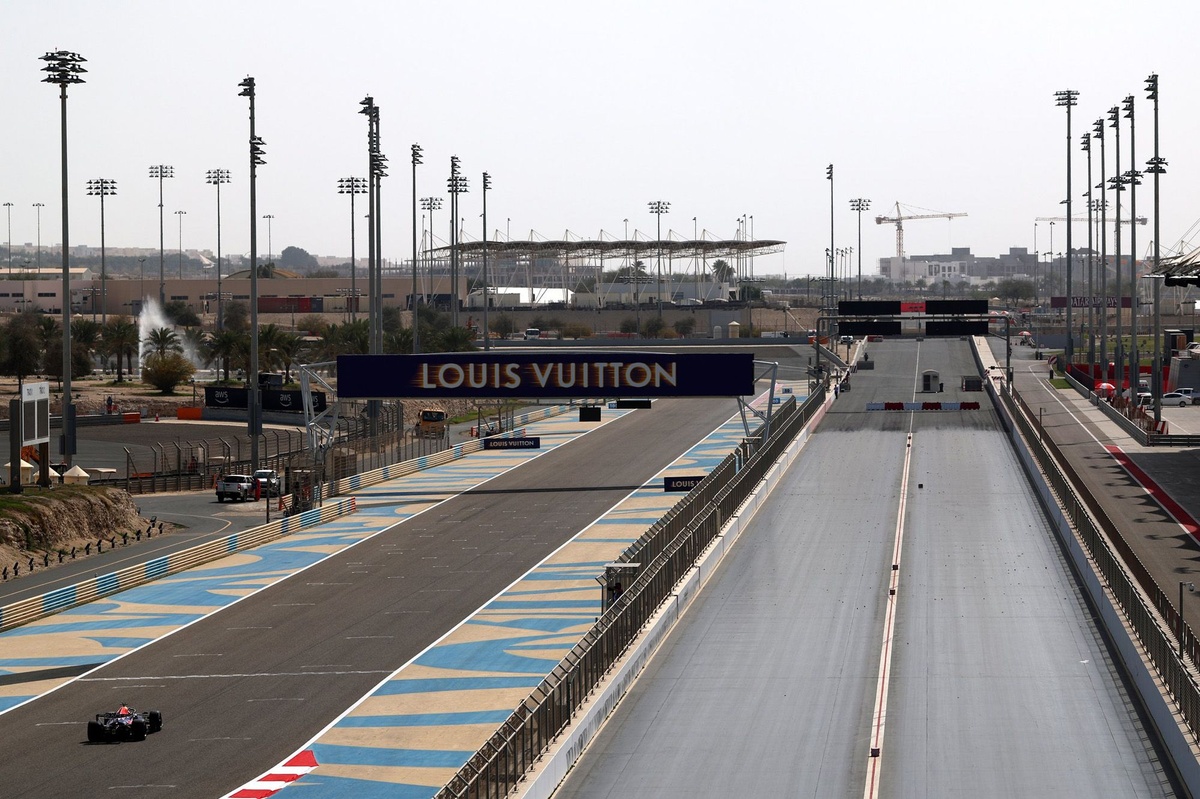

The engines roar again! This week, the Formula 1 paddock descends upon the Bahrain International Circuit for the final, crucial three days of 2026 F1 pre-season testing. It's the ultimate proving ground before the lights go out in Australia, and every lap is a statement.
Key Points from Bahrain's Final F1 Test
- Teams will fine-tune advanced 2026 power units, focusing on energy deployment for peak performance.
- Expect fresh aerodynamic upgrades as teams apply six days of data-driven insights.
- The hunt for ultimate pace intensifies, with crucial qualifying simulations under the lights.
- All eyes are on Aston Martin's recovery and the battle to crack the top-tier pecking order.
The Final Showdown in Sakhir: What to Expect
After six intense days across Barcelona and the initial Bahrain sessions, the teams are armed with a mountain of data. This second stint at the Bahrain International Circuit isn't just more mileage; it's about translating raw numbers into refined performance, pushing the boundaries of the 2026 F1 cars.
Mastering the Machine: Energy Management and Lap Pace
The complex 2026 power unit regulations have seen drivers grappling with intricate energy deployment strategies. Initially, challenges like unexpected speed into Turn 10 and prevalent lock-ups in tighter corners were common, often requiring a downshift to first gear. However, engineers have spent the four-day break diligently studying the data.
Expect to see significant strides in automated power unit maps. This will make the energy harvesting and deployment process feel far more intuitive for the drivers, allowing them to leverage the ICE and MGU-K more effectively. The goal is to maximize power delivery for longer while ensuring efficient battery recharge, transforming a challenging new system into a natural extension of the driving experience.
Evolving Beasts: Aero Upgrades and Data-Driven Development
Building an **F1** car is a meticulously planned process, with design 'freeze' points long before the first wheel turns. Any new components seen this week aren't reactive fixes, but rather elements designed months ago and now ready for testing. **Audi** provided a prime example, debuting updated sidepods and a revised front wing in **Bahrain** after an