
F1 Brainpower: How Neuroscience Drives Elite Performance
The relentless pursuit of perfection in Formula 1 isn't just about groundbreaking engineering; it's increasingly about the intricate wiring of the human brain. Dr. Marcia Goddard, a renowned neuroscientist, has bridged the gap between cutting-edge brain science and elite sporting achievement, revealing how F1 teams unlock their full potential.
Key Takeaways:
- McLaren cultivates a resilient "winner's mindset," transforming setbacks into learning opportunities.
- Dr. Marcia Goddard's new book, Driving Performance, reveals neuroscience principles behind F1's high-performing teams.
- Sustainable peak performance in Formula 1 prioritizes psychological safety, autonomy, and task closure over relentless "hustle culture."
- Elite F1 drivers master emotion regulation and possess a strong internal locus of control, traits that are fully trainable.
Unlocking F1's Winning Formula: A Neuroscience Perspective
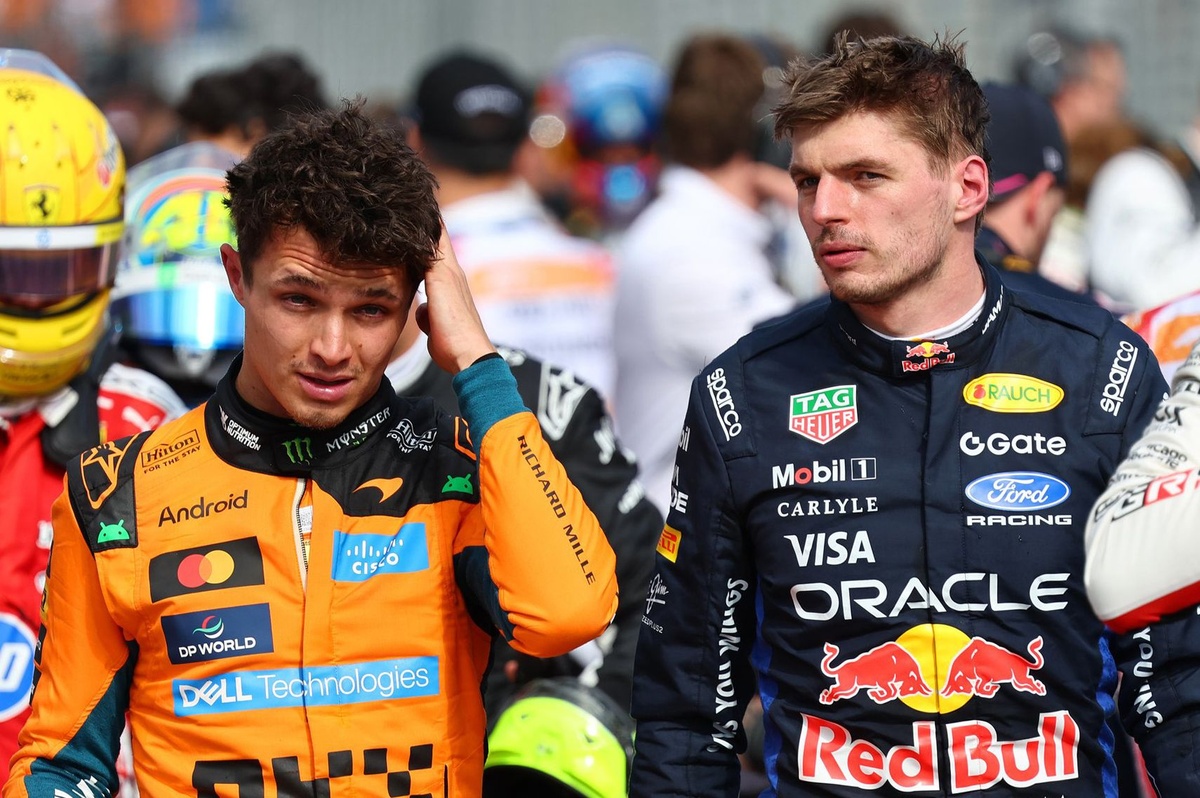
When McLaren Team Principal Andrea Stella dissected Lando Norris's near-miss at the Miami Grand Prix, there was no finger-pointing. Instead, it was a nuanced analysis of complex variables – from in-laps to pitlane time. This reflective approach perfectly encapsulates the "winner's mindset" Stella champions, a culture of productive learning that defines modern Formula 1 high performance.
This culture forms the bedrock of Dr. Marcia Goddard's compelling new book, Driving Performance: 10 Lessons About Building High-Performing Teams From Neuroscience and Formula One. A self-confessed F1 superfan, Dr. Goddard translates complex neuroscience into actionable insights, showing how Grand Prix racing offers a masterclass in team dynamics and individual excellence.
The Science Behind the Speed: How Brains Drive Teams
Beyond Brute Force: Sustainable Performance
Forget the myth of non-stop grind. Dr. Goddard argues that true, sustainable high performance in F1 isn't about working 80 hours a week, but about designing environments that work with the brain. Psychological safety, autonomy, and trust are not fluffy buzzwords; they are neural necessities.
Crucially, the brain craves closure. Creating "mental gates" and ensuring tasks are completed before moving on prevents the amygdala from triggering chronic stress responses. This structured approach allows teams to handle the immense pressure of F1 without burnout, fostering consistent peak output.
Engineering Minds: The 2026 Regulations Challenge
The impending 2026 F1 regulations present a massive challenge, yet engineers across the grid are tackling it with a pragmatic, problem-solving mindset. While the human brain's natural inclination is often a defensive response to change, Dr. Goddard admires the "let's get shit done" attitude prevalent in F1 engineering.
This ability to channel frustration into productive action is a hallmark of high-performing teams. It's about acknowledging the difficulty, then swiftly shifting focus to what can be controlled and improved, a lesson vital for any industry facing rapid evolution.
The Driver's Edge: Psychology on the Limit
The Unshakeable Belief of an F1 Champion
F1 drivers operate with an almost superhuman self-belief. As Dr. Goddard explains, if you don't genuinely believe you're the fastest driver on the grid, success is an uphill battle. This cognitive dissonance, the ability to maintain unwavering confidence even against internal doubts, is crucial for sustained motivation.
Two critical trainable traits define an elite driver's mindset: emotion regulation and an internal locus of control. Drivers like Max Verstappen exemplify this, controlling their reactions and believing their actions directly influence outcomes. Even champions like Nico Rosberg, who admitted to anxiety against Michael Schumacher, benefited immensely from having a trusted "safe space" to process emotions and develop these vital skills.
Cultivating a No-Blame Culture for Peak Learning
The legendary repair of Max Verstappen's Red Bull on the grid at the 2020 Hungarian Grand Prix is a perfect illustration of psychological safety in action. Team leadership empowered mechanics with the trust and autonomy to achieve the seemingly impossible.
Dr. Goddard stresses that a no-blame culture isn't an absence of accountability; it's the foundation for it. When individuals know their jobs and reputations are safe, they are far more likely to own mistakes, fostering an environment where learning velocity skyrockets. This open communication is essential for continuous improvement, pushing teams forward faster.
Formula 1 isn't just a spectacle of speed; it's a living laboratory for human performance. Dr. Marcia Goddard's insights underscore that the real race is often won within the mind, proving that understanding brain chemistry is as critical as horsepower in the quest for championship glory.