
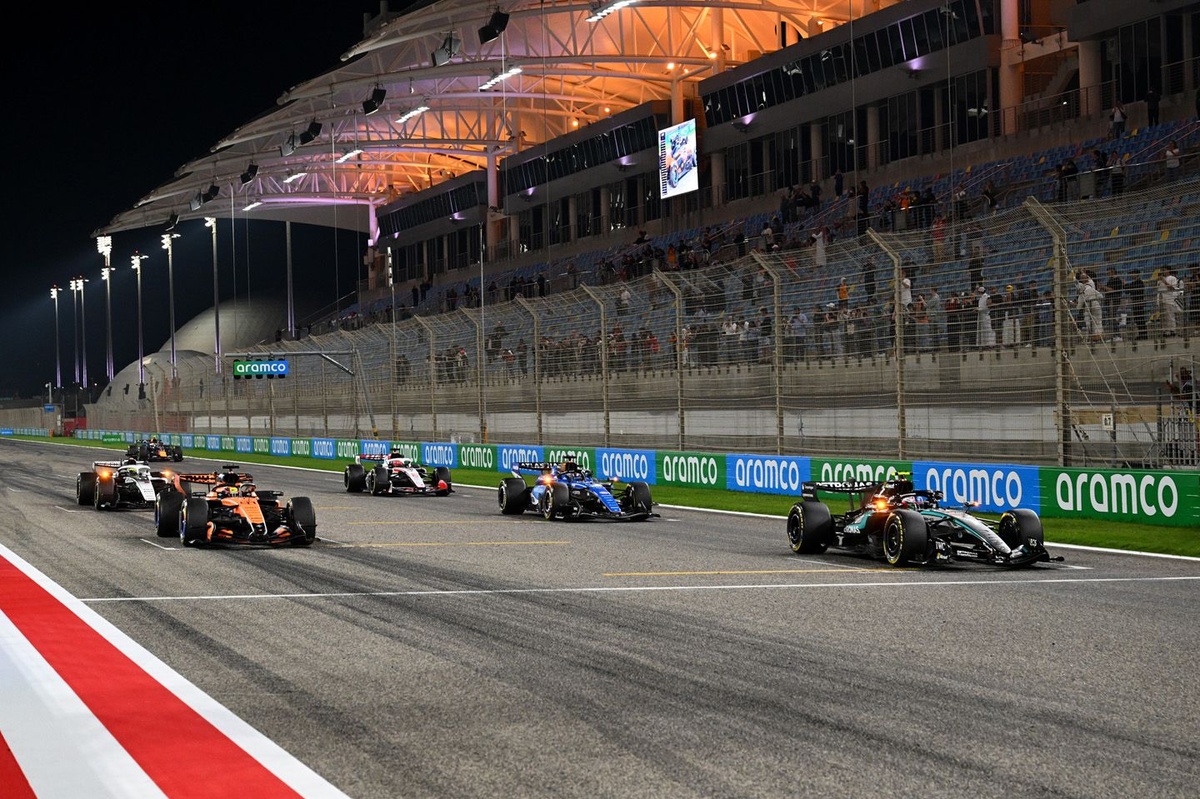

The roar of an F1 start is pure adrenaline, but Formula 1's 2026 rules threaten to turn that electrifying moment into a logistical nightmare, pushing the FIA to act.
Key Points:
- The FIA is conducting trials of new start procedures during the Bahrain pre-season test.
- 2026 regulations remove the MGU-H, necessitating a longer turbo spool-up time.
- McLaren urged changes, while Ferrari designed its engine to mitigate the issue.
- Drivers like Lewis Hamilton and Valtteri Bottas offer varied perspectives on safety and practicality.
Unpacking the Grid Challenge: F1's 2026 Engine Revolution
The upcoming 2026 F1 season is poised to dramatically alter how cars launch from the grid. The removal of the MGU-H energy recovery system shifts more reliance onto the V6 combustion engine.
Drivers now face the challenge of needing approximately 10 seconds to properly spool up their turbos, a significant change that directly impacts race starts. This technical shift has created a unique dilemma, prompting teams to rethink their launch strategies.
McLaren's Urgent Call Meets Ferrari's Strategic Edge
The potential for tricky getaways immediately sparked debate within the paddock. McLaren team principal Andrea Stella voiced strong concerns, advocating for extended grid preparation time to ensure driver safety and fair starts.
However, not all teams faced the same hurdle. Ferrari, anticipating the upcoming changes, reportedly designed its 2026 turbocharger to reduce the necessary spool-up time. This proactive approach positioned them ahead, initially resisting calls for procedural changes.
FIA Steps In: Bahrain Test Becomes Crucial Proving Ground
Responding to the escalating concerns, the FIA has swiftly intervened. Following discussions at the F1 Commission meeting in Bahrain, presided over by Nikolas Tombazis and Stefano Domenicali, experimental start procedures are now being trialed.
At the conclusion of each day's running during the Bahrain pre-season test, different timings will be evaluated. This crucial data-gathering exercise is critical for the FIA to make an informed decision before the opening race in Melbourne.
Drivers Weigh In: Hamilton Dismisses Danger, Bottas Flags Back-Grid Issue
Despite the official trials, opinions among the drivers vary. Lewis Hamilton, soon to join Ferrari, downplayed the safety risks. He emphasized that while the procedure is longer, it's "definitely not dangerous," focusing instead on the potential for anti-stall issues.
Conversely, Valtteri Bottas, running a Ferrari engine, highlighted a specific concern for those at the back of the grid. He noted that lower grid positions might not allow enough time for turbos to spool up before the lights go out, potentially creating a disadvantage.
Beyond the Start Line: Closing Speeds Under Scrutiny
The start procedure isn't the only aspect of the 2026 regulations drawing attention. Andrea Stella also raised alarm bells regarding extreme closing speeds on straights if cars run out of electrical energy.
For now, the FIA has opted against immediate changes on this front. They will gather more evidence during the initial 2026 race weekends before considering any major regulatory adjustments, ensuring a data-driven approach to evolution.