
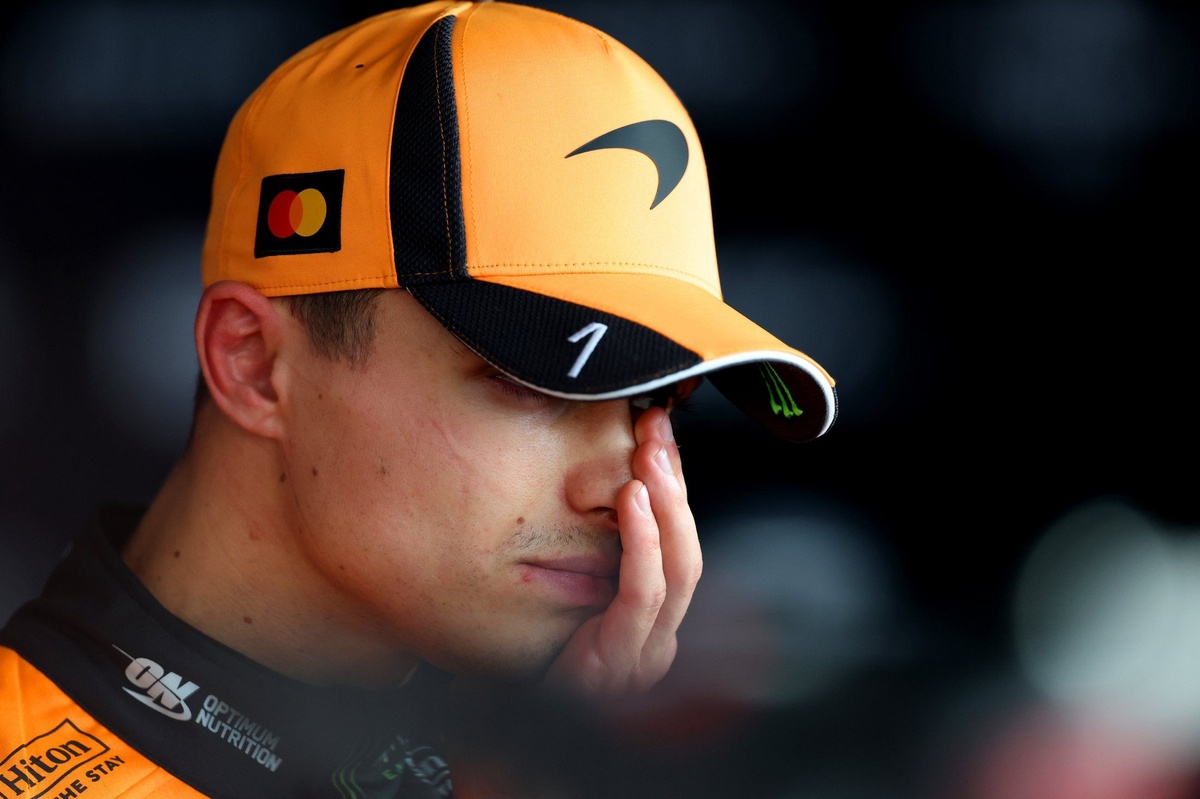

The F1 Qualifying Paradox: Pushing Harder, Going Slower?
The very essence of F1 qualifying, the ultimate test of raw speed and driver prowess, is under a dark cloud. The 2026 power unit regulations, designed to deliver thrilling racing, are inadvertently transforming Saturday afternoon sessions into a frustrating game of energy management that penalizes drivers for pushing the limits. It’s a paradox that has top stars fuming, threatening the integrity of what should be a spectacular display of outright performance.
Key Points:
- F1's 2026 power unit rules force drivers to "lift and coast" in high-speed corners to harvest energy, effectively slowing down to gain speed on straights.
- This counter-intuitive system diminishes the role of pure driver skill and car performance in qualifying.
- Drivers like Carlos Sainz, Fernando Alonso, and Lewis Hamilton are vocal about their frustration, calling for urgent changes before the Miami Grand Prix.
- The FIA and teams are in talks, but concerns remain about resistance to significant regulation adjustments.
The Frustrating Loop: Why More Effort Means Less Pace
Imagine being told to drive slower to actually go faster. That's the bizarre reality facing F1 drivers under the new 2026 power unit regulations during qualifying. Circuits lacking ample heavy braking zones — crucial for battery recharging — force teams into a perplexing strategy: coasting through medium to high-speed corners. This seemingly counter-productive maneuver is done to store precious energy for deployment on subsequent straights.
Carlos Sainz of Ferrari encapsulated the sentiment perfectly: "The more you pushed, the slower you went. That's what happened to me in Q2. I went quicker in every corner, slower in every straight, and I went one tenth slower." He openly declared the current setup "not good enough for F1." This isn't just a minor technical glitch; it strikes at the heart of what qualifying should be.
The Nuances of Energy Harvesting
The technical underpinnings of this paradox lie in the car's intricate energy recovery systems. As drivers push harder, spending more time at full throttle, the power unit's software initiates earlier energy charging protocols. This 'super clipping' means a reduction in power deployment on the crucial straights, effectively nullifying the gains made through aggressive cornering.
Adding to the complexity, the power unit's software employs machine learning, constantly adjusting deployment algorithms based on previous laps. This real-time adaptation creates further headaches. Drivers who miss track time due to incidents or mechanical issues, like Lando Norris in Japan, are disadvantaged, as their systems have less data to optimize. Even minor driving errors, such as a snap of oversteer, can throw the entire algorithm off. Lewis Hamilton detailed such an instance: "I was up on Charles and then lost 2.5 tenths just down the back straight, not just through deployment, I had a snap of oversteer and then it just changed the whole algorithm."
Is Driver Skill Being Sidelined?
The current state of qualifying raises serious questions about the emphasis on pure driving talent. Aston Martin's Fernando Alonso voiced a blunt assessment: "High-speed corners now became the charging station for the car. So you go slower, you charge the battery in the high-speed, and then you have the full power on the straight. So driver skill is not really needed anymore." This is a stark warning from a two-time world champion. For Lando Norris, the feeling of losing top speed after pushing hard "hurts your soul." The emotional toll on competitors, who dedicate their lives to mastering their craft, is palpable.
What's Next? Can F1 Find a Solution?
The FIA is acutely aware of the problem. For the Suzuka weekend, they adjusted the maximum energy limit in qualifying from 9MJ to 8MJ, a move that offered some relief but was widely deemed insufficient. Ahead of the Miami Grand Prix, critical discussions are ongoing between the FIA, F1, and the teams. Drivers, including Carlos Sainz, met directly with FIA's Nikolas Tombazis and Tim Malyon, making their unanimous dissatisfaction clear.
However, the path to a solution is fraught with potential roadblocks. Sainz fears that certain teams, prioritizing their competitive advantage under the existing framework, might resist significant changes. While teams like Mercedes, who might benefit from their early grasp of the 2026 regulations, have publicly acknowledged the problem, sweeping changes to qualifying could impact their overall race-day prowess. The fundamental debate revolves around the desired 50-50 split between electric and combustion power, currently leaning closer to 55-45.
Sainz proposed a pragmatic approach: "Honestly, I don't mind being one or two seconds slower overall and top speeds going five to 10 km down if the deployment and the energy is more consistent and allows it to push more." He also raised safety concerns, particularly regarding the 350kW electric power in wet conditions, advocating for a "flatter, more conservative deployment."
The question of a timely resolution looms large. Lewis Hamilton, renowned for his seven world championships, expressed skepticism: "I'm not expecting much from it, but I hope they make some big changes." His pessimism stems from the inherent complexities of consensus-building: "It's just [that] there'll be a lot of chefs in the kitchen. It doesn't usually end up with a good result." The clock is ticking for F1 to restore qualifying to its rightful place as a pure test of speed and skill.


