
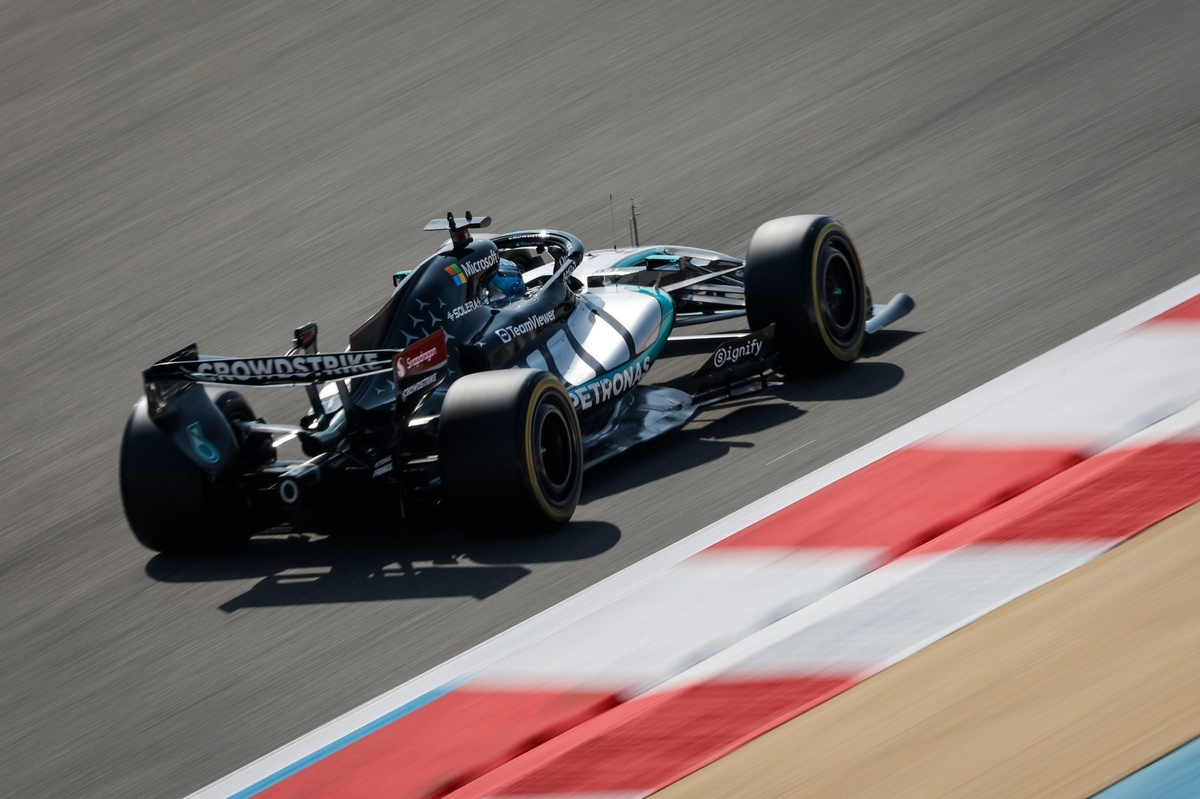

The Core of the F1 Engine Debate: Compression Ratio Under Scrutiny
The controversy centers on the 2026 F1 power unit regulations, which mandate a compression ratio of 16:1. Traditionally, this measurement has been taken at ambient temperatures, meaning it doesn't account for material expansion when an engine is operating at high heat on the track.
This oversight has fueled worries among competitors, particularly a group reportedly led by Audi. They fear Mercedes might have engineered a design that allows their compression ratio to creep closer to the previous 18:1 limit during live running, despite complying with the static test.
Such a scenario could bake in a substantial horsepower advantage for Mercedes and its customer teams like McLaren, Williams, and Alpine. The sheer implications for the competitive landscape are undeniable.
Hot Tests on the Horizon: A Proposed Solution
To address these concerns, a compromise is now on the table. The FIA has put forward a proposal for additional mandatory "hot tests" at a representative operating temperature of 130°C. If approved, these tests would come into force from August 1, 2026, complementing the existing ambient temperature measurements.
The decision now rests with the relevant Power Unit Advisory Committee. All five power unit manufacturers – Mercedes, Ferrari, Audi, Red Bull Ford, and Honda – along with the FIA and commercial rights holder FOM, have been given a 10-day window to cast their votes online. A supermajority, requiring four manufacturers plus both governing bodies, is needed for the change to pass.
Industry Reactions: Mercedes Downplays, Rivals Demand Clarity
Unsurprisingly, **Mercedes**-powered teams have downplayed the significance of any potential


