
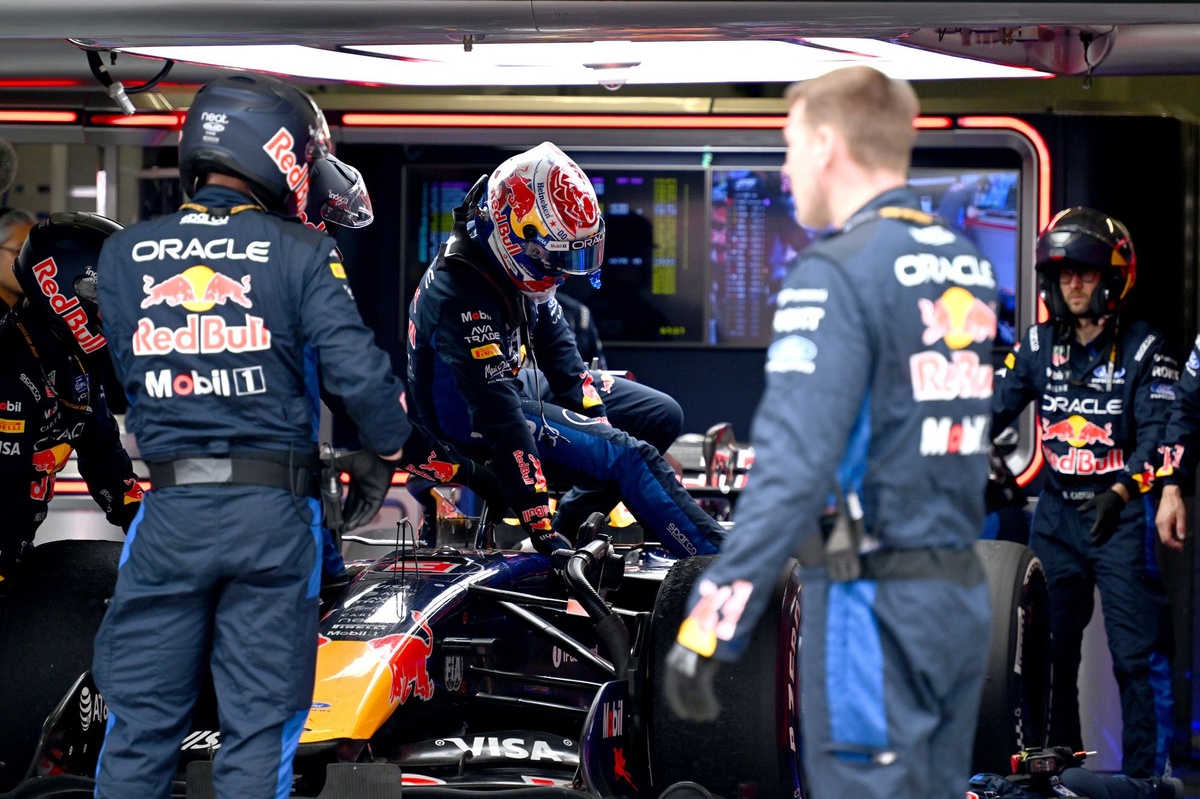

The unexpected five-week pause in the Formula 1 season is creating a fascinating split, proving to be a lifeline for some struggling teams while simultaneously presenting a peculiar challenge for reigning giants like Red Bull Racing.
Key Points: The F1 Break's Varied Impact
- F1's calendar now features a five-week hiatus after Suzuka due to the cancellation of the Bahrain and Jeddah Grands Prix amid Middle East conflict.
- Red Bull Ford Powertrain views the break as a disadvantage for critical engine development, despite offering more time for aero upgrades.
- Aston Martin grapples with power unit reliability issues and the delayed timeline for vital ADUO mechanism upgrades.
- Teams like Williams and Cadillac are strategically utilizing this extra period to implement crucial car improvements and resolve persistent technical problems.
F1's Unplanned Pause: Who Benefits, Who Doesn't?
The cancellation of F1's Middle Eastern rounds, spurred by regional instability, has carved out an unprecedented five-week gap between the Suzuka and Miami Grands Prix. This forced hiatus, extending from this weekend into early May, is causing teams to recalibrate their development timelines and strategic roadmaps.
Red Bull's Engine Development Roadblock
While extra time for aerodynamic refinements might seem like a boon, the picture for Red Bull is more nuanced, particularly concerning their nascent engine program. The Red Bull Ford Powertrain unit, still in its early stages, thrives on track data.
A Setback for the Power Unit Push
For Red Bull Ford Powertrain, every race is a crucial learning opportunity. Driver Isack Hadjar highlighted this, stating,
.jpg)


