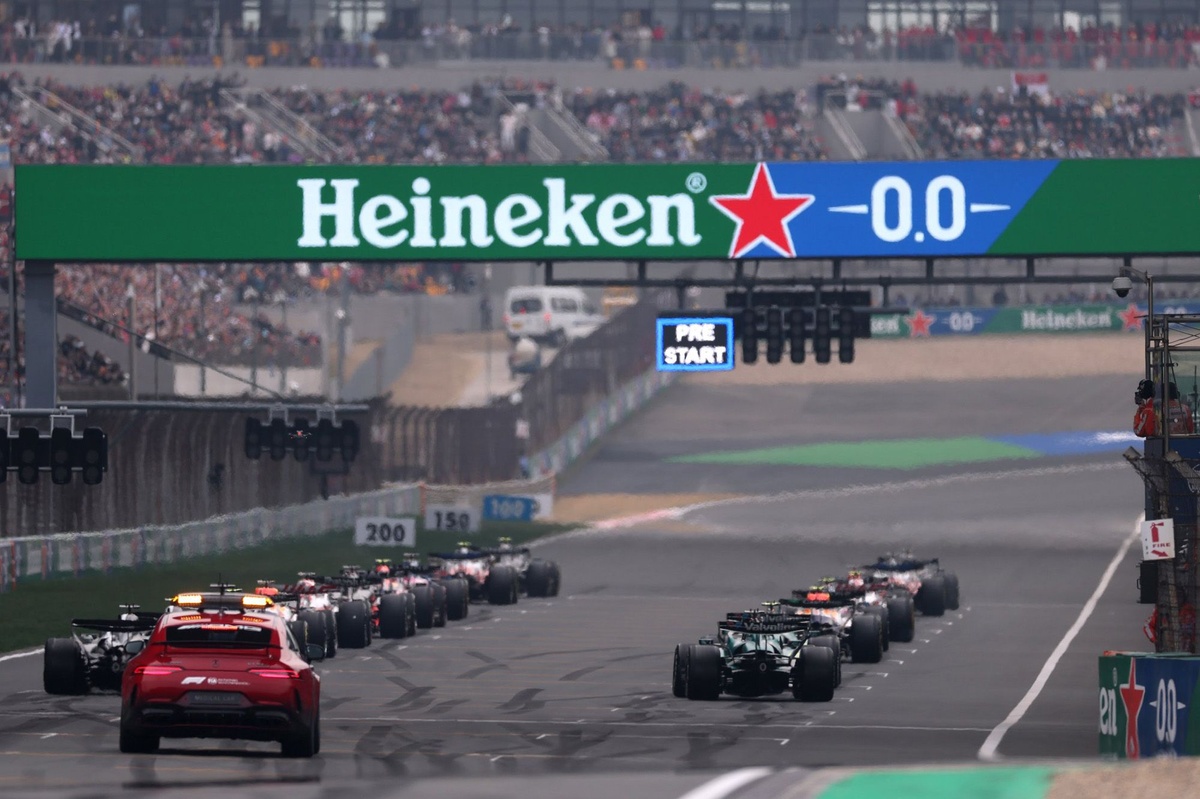

The starting grid in Formula 1 is fast becoming a scene of barely averted disaster, with crucial safety concerns alarmingly overlooked amidst debates about future regulations.
KEY POINTS
- A technical change removing a key hybrid power element has compromised race starts for many F1 teams.
- Incidents involving Max Verstappen and Liam Lawson reveal a pattern of slow getaways and near-misses.
- A horrific Porsche Carrera Cup Asia crash in China served as a stark, yet largely ignored, warning of startline dangers.
- F1's focus on 2026 regulations and entertainment risks overshadowing fundamental safety lessons from history.
The Brewing Chaos: F1's Startline Struggles
Before the lights even went out on the current F1 season, a contentious shift in technical regulations introduced a critical vulnerability to race starts. The removal of a key hybrid power element caught nearly half the grid off guard, plunging them into a disadvantage on launch.
Ferrari, ever astute, anticipated this problem and prepared. Others, however, are now paying the price, struggling to unleash their machines effectively when the grid goes green. This isn't just a competitive quibble; it's a profound safety issue that is rapidly escalating.
Hybrid Headaches and Stalled Dreams
We've already witnessed multiple instances of cars being sluggish off the line, forcing others into evasive maneuvers. Despite a procedural tweak granting drivers a five-second turbo spool-up grace period, the problem persists.
Even reigning champion Max Verstappen hasn't enjoyed a clean getaway in any race this season. In Melbourne, a depleted battery hampered him. In China, he twice experienced the same anti-stall mode glitch that nearly caused a catastrophic collision for Liam Lawson in Australia.
It was Franco Colapinto's lightning reflexes in his Alpine that prevented Lawson's stricken car from being T-boned against the pit wall in Albert Park. These aren't isolated incidents; they are symptomatic of a deeper, systemic risk.
China's Ominous Warning: A Crash Ignored
The inherent dangers of high-speed disparities at the start were brutally exposed, yet largely ignored, during the Porsche Carrera Cup Asia race in China. Pole-sitter Naquib Azlan's car tragically stalled at the line, creating an instant chokepoint.
The entire field scrambled to swerve, a chaotic ballet that became exponentially more perilous as cars from the back of the grid arrived at higher closing speeds. The inevitable collision was devastating, destroying three cars.
The Unseen Disaster
Most chillingly, 60-year-old gentleman driver Francis Tjia slammed head-on into the Armco barrier at the pit exit. This was an area not designed for such an impact, lacking the crucial Tecpro or tire cushioning. Marshals had to cut open his wrecked Porsche 911 to extract him before he was airlifted to hospital.
Organizers tersely reported his injuries were