

The Great F1 Weight Debate: A New Era Dawns
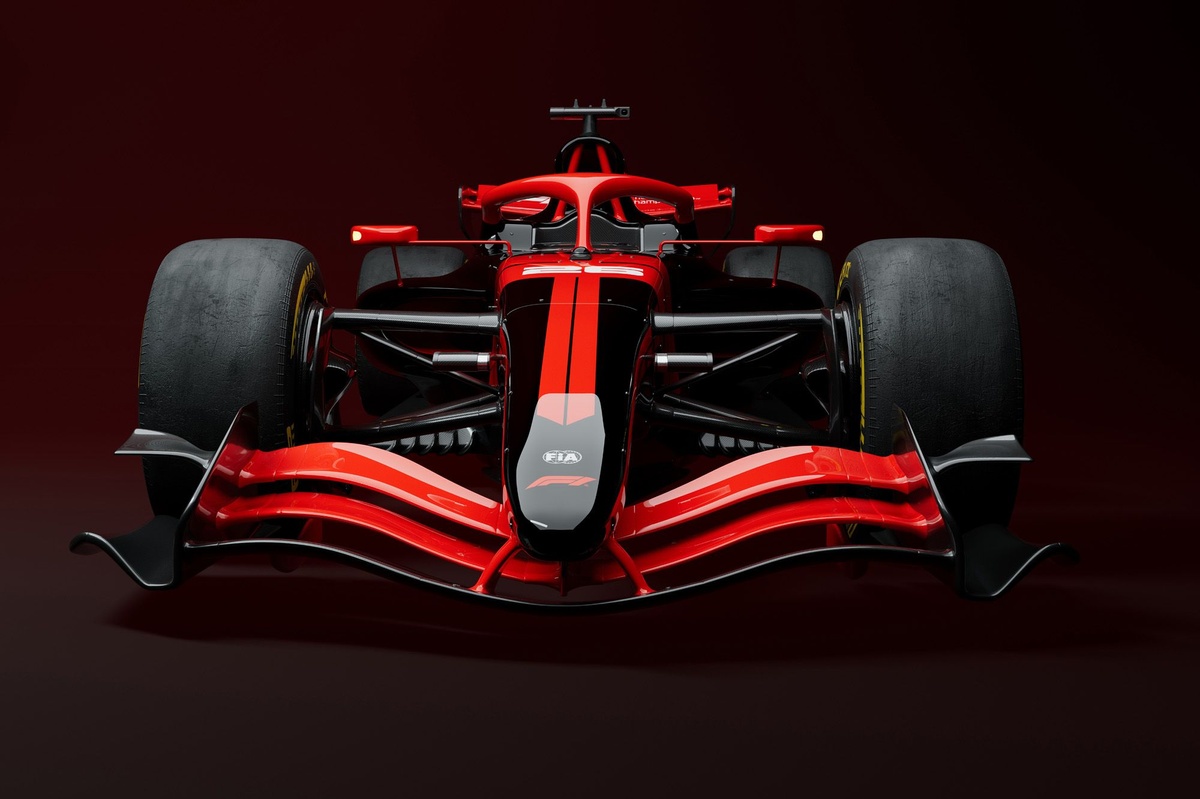
The countdown to the **2026 F1 regulations** is on, and a major battleground is already forming: car weight. The **FIA** has boldly declared that the minimum weight for a Formula 1 car will shrink from **800kg** to a lean **768kg**. This isn't just a minor tweak; it's a statement of intent, forcing teams to completely rethink their design philosophies.
This ambitious **32kg** reduction signals the end of an era where F1 cars steadily grew heavier, gaining an astonishing **180kg** since **2010**. While safety enhancements and complex hybrid power units are partly responsible, the **FIA** believes teams have indulged in non-essential performance systems, contributing to the bulk.
FIA Stands Firm: No Compromise on the "Diet Plan"
Despite vocal concerns from team principals, including **Williams** boss **James Vowles**, about the challenge of meeting the **768kg** target, the **FIA** is unyielding. **Nikolas Tombazis**, the **FIA**'s single-seater director, minces no words, emphasizing the need for "discipline." He likened the situation to a diet, where consistent pressure is necessary for success.
Tombazis highlighted how teams often add elaborate systems for marginal performance gains, making current cars "50 times more complicated" than two decades ago. The **FIA**'s message is clear: engineers must now weigh the benefit of every new system against its weight penalty more consciously. Is that extra half-kilo truly worth the lap time?
Why the Weight Matters: Agility and Driver Experience
The push for lighter cars isn't just an aesthetic choice; it's fundamentally about improving the racing spectacle. Lighter cars are inherently more agile, react quicker, and offer drivers a more visceral experience. The **FIA** believes that shedding weight will contribute significantly to a more "nimble car concept," enhancing the on-track action for fans.
Beyond 2026: A Lighter Future for F1?
Tombazis further revealed that the **768kg** target is not the final destination. The **FIA** is confident that further reductions are possible in the future, aiming to reverse the decades-long trend of ever-heavier machines. This commitment underscores a long-term vision for Formula 1 that prioritizes agility and streamlined design.
While acknowledging that safety components, sophisticated power units, and increasing car dimensions have all played a part in the weight creep, the **FIA** remains steadfast. They are determined to innovate around these factors to create a lighter, more dynamic future for the sport, proving that performance doesn't always have to come at the cost of excessive bulk.
.png)


