
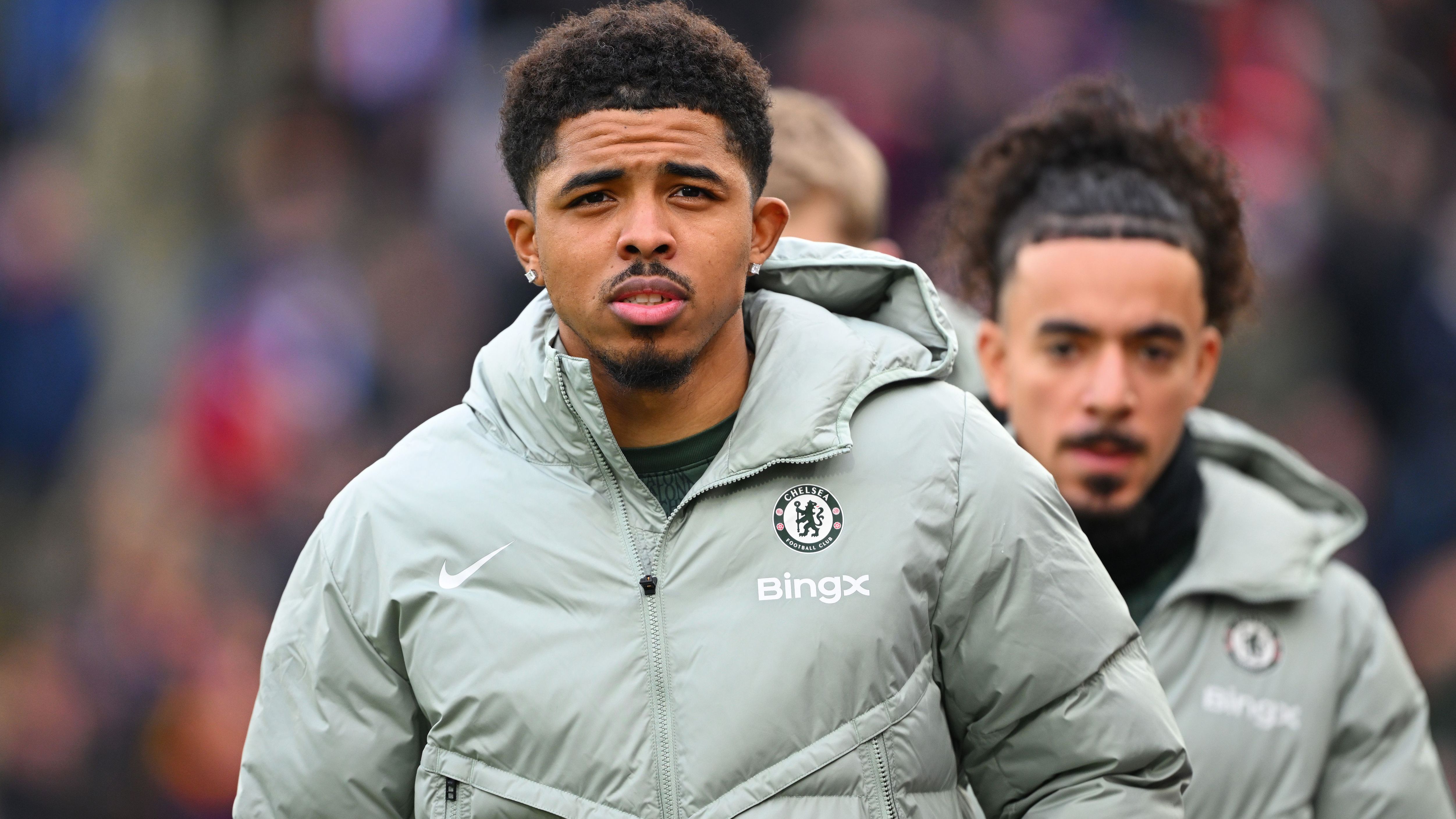

The beautiful game was once again marred by the abhorrent shadow of racism this past weekend, as Chelsea defender Wesley Fofana became the latest victim of vile online abuse following his side's draw with Burnley. It’s a stark reminder that while the on-pitch battles captivate millions, a dark underbelly of hatred continues to poison the sport we love.
Here are the key points from the unfolding situation:
- Chelsea star Wesley Fofana received appalling racist messages on Instagram after his red card during the Burnley match.
- Burnley midfielder Hannibal Mejbri was also subjected to similar online attacks in the aftermath of the fixture.
- Chelsea, Burnley, and the Premier League have all issued strong, unified statements condemning the discrimination and vowing to pursue perpetrators.
- Liam Rosenior, Chelsea's manager, revealed the club immediately initiated support, including a team meeting with wellbeing expert Dr. Michael Bennett.
A Stain on the Beautiful Game: Fofana's Ordeal
The drama at Stamford Bridge was already intense, with Chelsea being held to a frustrating draw by Burnley after Zian Flemming's late equalizer. This result further stalled Chelsea's top-four ambitions and marked their second consecutive home stalemate against newly promoted sides. Amidst the on-pitch disappointment, Wesley Fofana's red card, Chelsea's sixth in the league this season, added to the tension.
Beyond the Red Card: The Ugly Side of Online Fandom
Following his dismissal, which now means a suspension for the crucial trip to Premier League leaders Arsenal, Fofana courageously shared screenshots of the disgusting racist messages he received. His follow-up post powerfully captured the frustration felt by many: "2026 and it is still the same thing. Nothing changes. These people are never punished. You create big campaigns against racism, but nobody actually does anything." This isn't just about a player; it's about a systemic failure to protect individuals from online hate.
Clubs Unite: Zero Tolerance for Online Hatred
The problem, tragically, wasn't isolated to Fofana. Burnley midfielder Hannibal Mejbri also became a target, sharing his own message condemning the attackers. The swift response from both clubs and the league demonstrates a united front against this deplorable behavior, yet the persistence of such abuse highlights a deeper societal issue.
Mejbri's Ordeal and the League's Firm Stance
Burnley wasted no time in reporting the abuse targeting Mejbri to Instagram's parent company, Meta. Their statement was unequivocal: "There is no place for this in our society and we condemn it unreservedly. The club continues to be unequivocal in its stance – we have a zero-tolerance approach to any form of discrimination." Chelsea's own statement mirrored this resolve, emphasizing their full support for Fofana and a commitment to work with authorities to identify and punish those responsible. The Premier League also weighed in, standing "alongside Wesley Fofana and Chelsea in condemning the vile racist abuse."
Chelsea's Proactive Response: Team Support & Mental Fortitude
In the wake of these disturbing incidents, Chelsea manager Liam Rosenior revealed the club's immediate focus on player welfare. He confirmed that Dr. Michael Bennett, the club's head of performance wellbeing, met with the players to offer support and guidance. This proactive step underscores the mental toll such abuse takes on athletes.
Guiding Players Through the Digital Minefield
Rosenior acknowledged the pervasive nature of social media in modern life, especially for younger generations. While ideally, players wouldn't be affected by online "noise," he understands they are human. He stressed the challenge of individuals posting "whatever you want with no consequences" and emphasized the importance of helping players filter out negativity, distinguishing valid opinions from hate-filled rhetoric. This ongoing battle requires constant vigilance and robust support systems within clubs.


