
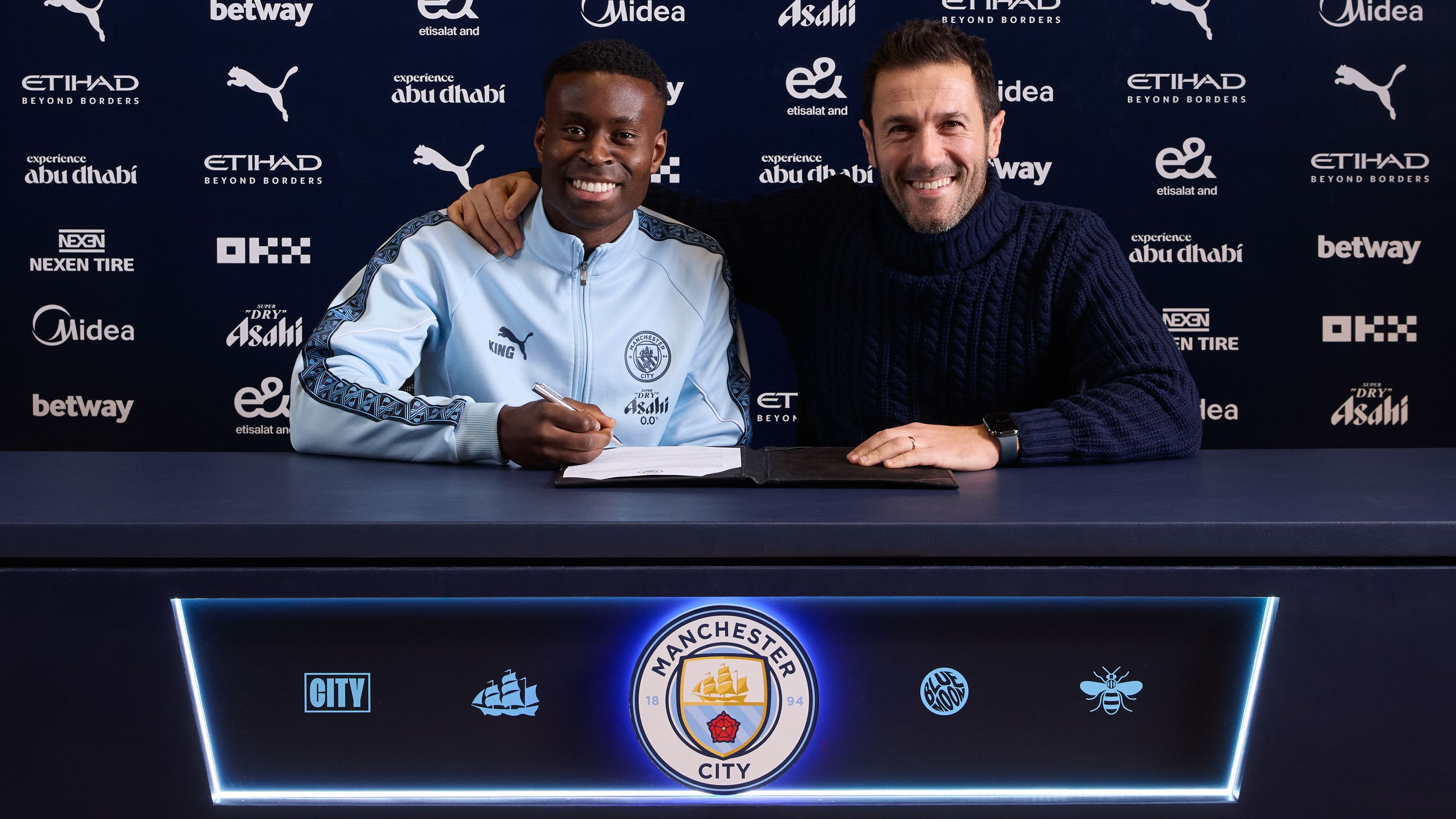

Few spectacles in football generate as much feverish anticipation and frantic speculation as the transfer market. It's a high-stakes arena where careers are forged, dynasties are built, and dreams can either ignite or crumble. But what exactly happens behind the scenes when a club signs a new star?
Key Points to Understand the Transfer Process
- Complex Negotiations: Transfers involve intricate talks between the buying club, selling club, player, and their agent over fees and personal terms.
- Agent's Crucial Role: Player agents are central, representing their client's interests and often initiating contact between clubs.
- Medical is Non-Negotiable: A comprehensive medical examination is a mandatory step, scrutinizing a player's physical condition before a deal is finalized.
- Strict Timelines: Deals must be completed within designated transfer windows (typically summer and winter) set by FIFA.
The Transfer Tango: Why Deals Ignite the Football World
The football transfer process is far more than just signing a name on a dotted line; it's a strategic chess match involving immense financial stakes and the aspirations of thousands of fans. From the initial whisper of interest to the official announcement, every step is scrutinised. Understanding this journey provides crucial insight into how teams like Manchester United or Real Madrid are assembled.
Pulling the Strings: Who Drives a Deal?
Behind every blockbuster signing or shrewd acquisition, multiple parties are vying for the best outcome. It's a delicate balance of ambition, strategy, and cold hard cash.
The Player's Ambition & Agent's Influence
At the heart of any transfer is the player. Whether they seek new challenges, more playing time, or better wages, their desire is often the catalyst. Enter the player agent, a pivotal figure. Agents represent their client's best interests, negotiating personal terms, seeking out potential suitors, and navigating the often-murky waters of club politics. A skilled agent can significantly impact a deal's success and financial outcome.
Clubs at the Negotiating Table
For the buying club, identifying the right talent is just the first hurdle. They must then agree on a transfer fee with the selling club. This fee can vary wildly based on the player's age, contract length, performance, and market demand. Selling clubs, naturally, want to maximise their return, especially for star assets or players with long contracts remaining.
From Whisper to Signature: The Transfer Timeline
Imagine a scenario where a club targets a player. The journey from initial interest to official unveiling is a multi-stage process, each with its own set of challenges.
Scouting & Initial Interest
It all begins with scouting. Clubs deploy extensive networks of scouts to identify talent worldwide. Once a player is flagged as a potential target, the club's sporting director or technical team will conduct deeper analysis. This phase involves assessing performance, character, and tactical fit within the squad.
Striking a Deal: Club-to-Club
If the interest solidifies, the buying club makes an official approach to the selling club. Negotiations commence, often involving multiple rounds of offers and counter-offers. Clauses such as sell-on percentages, performance-related bonuses, or even future buy-back options can be included to sweeten or complicate the agreement. Once a fee is agreed upon, a 'pre-agreement' or 'head of terms' is often signed.
Personal Terms: Player and Agent
With a club-to-club agreement in place, the buying club then negotiates personal terms directly with the player and their agent. This covers salary, bonuses, contract length, image rights, and other perks. These discussions can be just as protracted and challenging as the club-to-club negotiations, as agents fight for the best possible deal for their client.
The All-Important Medical
Before any contract is signed, the player undergoes a comprehensive medical examination. This is not a formality; it's a critical step where club doctors assess the player's physical condition, injury history, and long-term health prospects. A failed medical can, and often does, scupper a deal at the eleventh hour.
The Dotted Line & Official Unveiling
Assuming the medical is passed and all personal terms are agreed, the player signs the contract. The final step is registration with the relevant football authorities (e.g., Premier League, La Liga, FIFA). Only then can the club officially announce the signing, often accompanied by the iconic photo shoot and press conference.
Understanding the Rules of Engagement
The transfer landscape is governed by specific regulations designed to maintain fairness and stability within the sport.
The Crucial Transfer Windows
FIFA mandates specific periods, known as transfer windows, during which clubs can complete player registrations. The main window runs during the summer (typically July-August) and a shorter one in winter (January). Transfer Deadline Day often sees a flurry of last-minute activity, producing some of the most dramatic moments in the football calendar.
Loans, Swaps, and Other Deal Structures
Not all transfers are permanent sales. Clubs often utilise loan deals, where a player moves temporarily, sometimes with an option or obligation to buy. Player swaps, where two clubs exchange players, are rarer but do occur. Understanding these variations reveals the tactical depth of the transfer market.
More Than Just Money: The Deeper Impact
Beyond the raw figures, transfers profoundly impact team dynamics, club finances, and league competitiveness. The ongoing challenge of Financial Fair Play (FFP) regulations means clubs must carefully balance spending with revenue, adding another layer of complexity to every potential deal. A shrewd transfer strategy can elevate a club for years, while poor decisions can lead to financial woes and on-pitch struggles.
The football transfer process is a captivating blend of sport, business, and human drama. It's a testament to the global appeal of the beautiful game, where every signature can send ripples across the football world.


