

For Mariia Vainshtein, a long-held dream of studying in the United States arrived sooner than expected, shaped by the realities of war rather than careful planning.
In early 2022, her life in Odesa was abruptly disrupted when Russia’s invasion of Ukraine began. What started as a normal school day quickly turned into a crisis, as her family took shelter from nearby explosions before making the difficult decision to leave the country. Within days, Vainshtein, her mother, and her sister began a multi-country journey through Europe before eventually reaching New York. Her father remained in Ukraine due to wartime restrictions.
The move brought safety, but also new challenges. Arriving in the United States as a teenager with limited English, Vainshtein struggled to adapt in school and social settings. She initially avoided speaking in class out of fear of embarrassment, and adjusting to a new environment proved isolating.
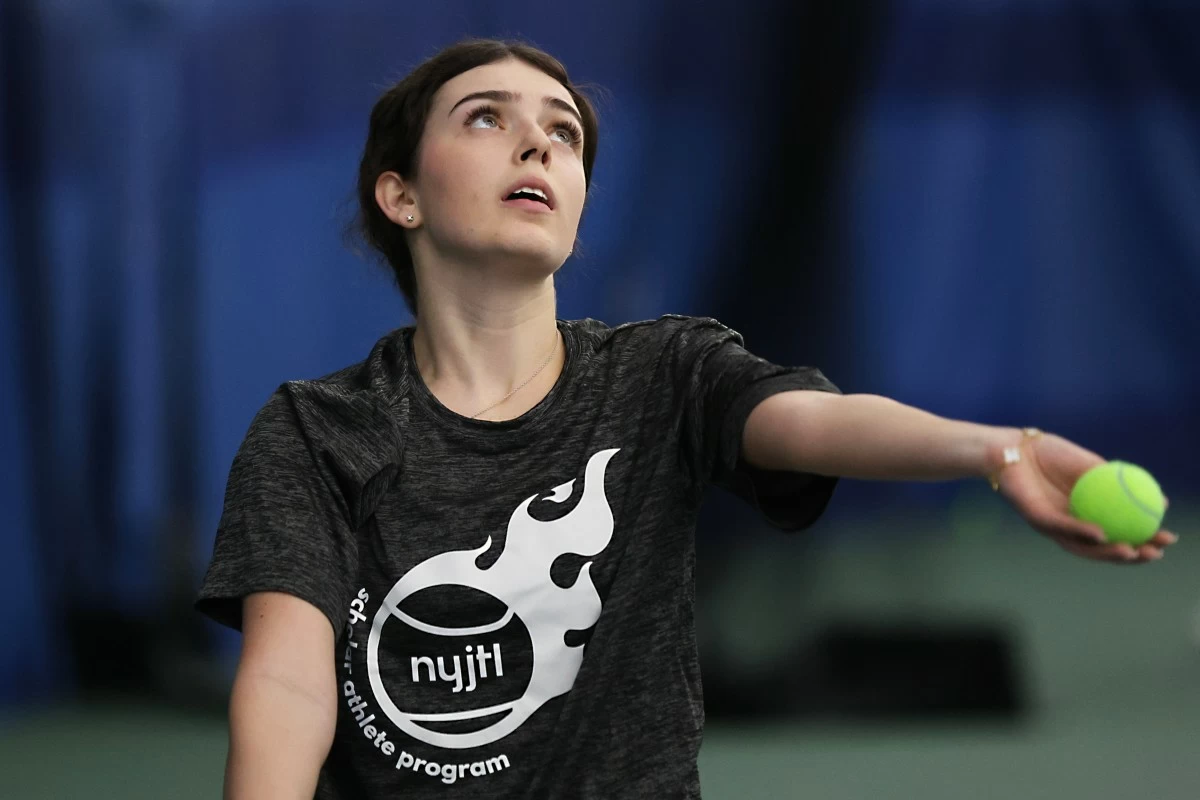
Tennis soon became a turning point. Already familiar with the sport from her childhood, she turned to it as a source of stability in an unfamiliar place. Training at the New York Junior Tennis and Learning program based at the Cary Leeds Center in the Bronx, she found both structure and support. The initiative combines athletic development with academic guidance, helping young players build confidence on and off the court.
Over time, Vainshtein’s confidence grew. A key moment came when a teacher insisted she participate in class rather than remain silent, pushing her to improve her spoken English. From there, her progress accelerated both academically and socially.
On the court, she developed an aggressive playing style built around power, drawing inspiration from top players like Aryna Sabalenka. Her dedication has translated into success at the high school level, where she has emerged as one of New York City’s standout players.
Now 17, Vainshtein is close to achieving the goal she once imagined from afar: attending college in the United States. While the circumstances that brought her there were far from ideal, her journey highlights how sport and education can provide direction in times of uncertainty.
Tennis, once a simple activity recommended to improve her eyesight, has become central to her identity. It offered her a sense of control during upheaval and continues to shape her ambitions as she prepares for the next chapter of her life.


