
The Architect of Expansion: A Global Football Vision
Gianni Infantino's decade at the helm of FIFA has been nothing short of a seismic shift, delivering unprecedented expansion while simultaneously igniting a firestorm of debate. He has dared to dream bigger, transforming football's landscape, but not without leaving a trail of uncomfortable questions about ethics, politics, and the very soul of the beautiful game.
Key Points of Infantino's FIFA Era
- Global Tournament Expansion: Championed bigger Club World Cups and the 48-team World Cup, pushing football into new territories.
- Empowering the Women's Game: Significantly increased funding and visibility for women's football, leading to record growth.
- Controversial Political Alignments: Drew criticism for close ties with contentious world leaders and a perceived disregard for human rights issues.
- Player Welfare Concerns: The relentless drive for more tournaments has raised serious alarms about athlete burnout and fixture congestion.
The Architect of Expansion: A Global Football Vision
Since taking office, Gianni Infantino has been the driving force behind an aggressive agenda of expansion, fundamentally reshaping how we experience global football tournaments. His vision has seen competitions grow in scale and reach.
Reshaping the Club World Cup
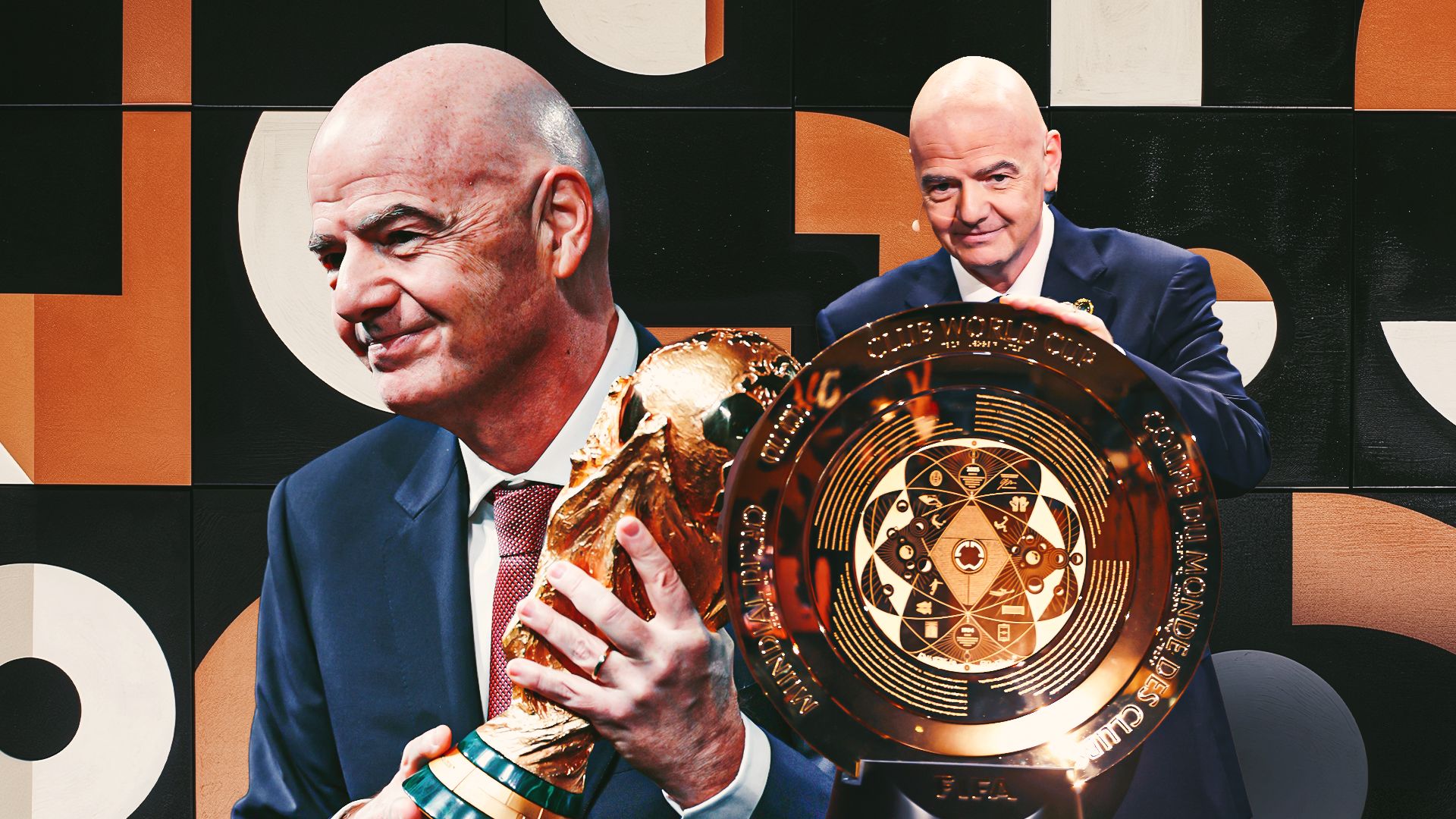
Once a niche event, the Club World Cup has been radically reimagined under Infantino. After his initial proposal in 2016 and official approval in 2019, the tournament expanded to mirror the main World Cup format. The 2025 iteration, despite a final between giants like Chelsea and PSG, faced scrutiny over attendance figures and its highly politicized conclusion featuring President Donald Trump.
World Cup on a Grand Scale
Perhaps Infantino's most audacious move is the expansion of the FIFA World Cup to 48 teams for the upcoming tournament. This move aims to spread the joy and economic benefits of the pinnacle event to more nations. While exciting for many, it also intensifies the logistical challenges and further burdens an already packed football calendar.
Nurturing Grassroots Talent
Beyond the glitzy finals, FIFA under Infantino has also committed to developing talent pipelines. The FIFA Talent Development Scheme, spearheaded by legendary manager Arsène Wenger, provides tailored support to member nations. With 60 FIFA academies already established globally and 75 projected by 2027, the goal is clear: ensure more young players worldwide can realize their potential, regardless of their country's resources.
Elevating the Beautiful Game: Women's Football and Emerging Nations
Infantino's tenure has undeniably marked a new chapter for both women's football and smaller footballing nations, bringing them into the global spotlight with increased investment and opportunities.
A New Era for Women's Football
Gone are the days of dismissive comments about the women's game. Infantino's FIFA has championed its growth, injecting unprecedented resources. The 2023 Women's World Cup boasted a record $152 million in prize money, a staggering tenfold increase from 2015. This financial backing, coupled with thousands of developmental projects, has seen 179 nations vying for qualification in 2027, a testament to its exploding popularity.
Empowering Underdog Nations
The FIFA Forward program has been a game-changer for smaller footballing federations. By channeling over $1 billion to the Confederation of African Football (CAF) and its 54 member nations in the last decade alone, FIFA has directly addressed the financial barriers to participation. Success stories like Cape Verde qualifying for the 2026 World Cup – alongside Curacao, Haiti, and Uzbekistan – prove that symbolic inclusion is fast becoming tangible achievement, showcasing talent from every corner of the globe.
The Shadow of Controversy: Ethics, Politics, and Human Rights
Despite the strides in global expansion and development, Gianni Infantino's FIFA has frequently found itself embroiled in ethical and political controversies, casting a long shadow over its achievements.
Political Maneuvers and Uncomfortable Alliances
Infantino's role as FIFA president has been overtly political, leading him to cultivate close relationships with powerful, often controversial, world leaders. His highly publicized ties with figures like Donald Trump, Vladimir Putin, and Crown Prince Mohammed bin Salman have raised eyebrows and led to accusations of breaching FIFA ethics rules. This proximity to leaders criticized for human rights records often leaves a bitter taste for many fans and observers.
The Stain of Qatar 2022
While the decision to award the 2022 World Cup to Qatar predated Infantino's presidency, the harrowing humanitarian issues leading up to the tournament occurred squarely during his watch. Reports of worker exploitation, severe injuries, and thousands of deaths among those building the infrastructure cast a dark pall. A November 2024 independent report confirmed 'severe impacts' on human rights, a tragic reality that FIFA's subsequent donations and partnerships, while welcome, can never truly erase.
Fan Outcry Over 2026 World Cup Ticket Prices
The fan-first rhetoric often clashes with the reality of accessing these grand tournaments. Tickets for the 2026 World Cup have sparked outrage, with the most expensive options costing five times that of Qatar 2022. Dynamic pricing and exorbitant add-ons, like $175 for parking at the final, mean many average fans are priced out, raising questions about accessibility and FIFA's commitment to its global fanbase, especially given the tax-exempt revenue generated.
The Technological Revolution: VAR and Beyond
Under Infantino, FIFA has wholeheartedly embraced technological innovation in football, particularly Video Assistant Referee (VAR), despite its persistent controversies.
The Ever-Evolving Role of VAR
VAR, introduced at the 2018 World Cup, has become ubiquitous across various levels of football. While critics lament its disruptive nature, Infantino has consistently defended it, asserting it is 'not damaging football.' The technology continues to evolve, with semi-automated offside systems and enhanced camera setups striving for quicker, more accurate decisions. This embrace of tech, while imperfect, underscores a commitment to modernization and fairness, even if the debate rages on.
A Legacy of Ambition and Contradiction
Gianni Infantino's decade at the helm of FIFA has been a period of undeniable growth and transformation for global football. He has expanded its reach, empowered previously marginalized segments, and pushed the boundaries of technology. Yet, his legacy is undeniably complex, marked by a willingness to court controversy, align with challenging political figures, and navigate the profound human rights concerns surrounding mega-events like Qatar 2022. The impact is clear: FIFA is bigger, wealthier, and more globally integrated than ever, but at what cost, and with what compromises?