
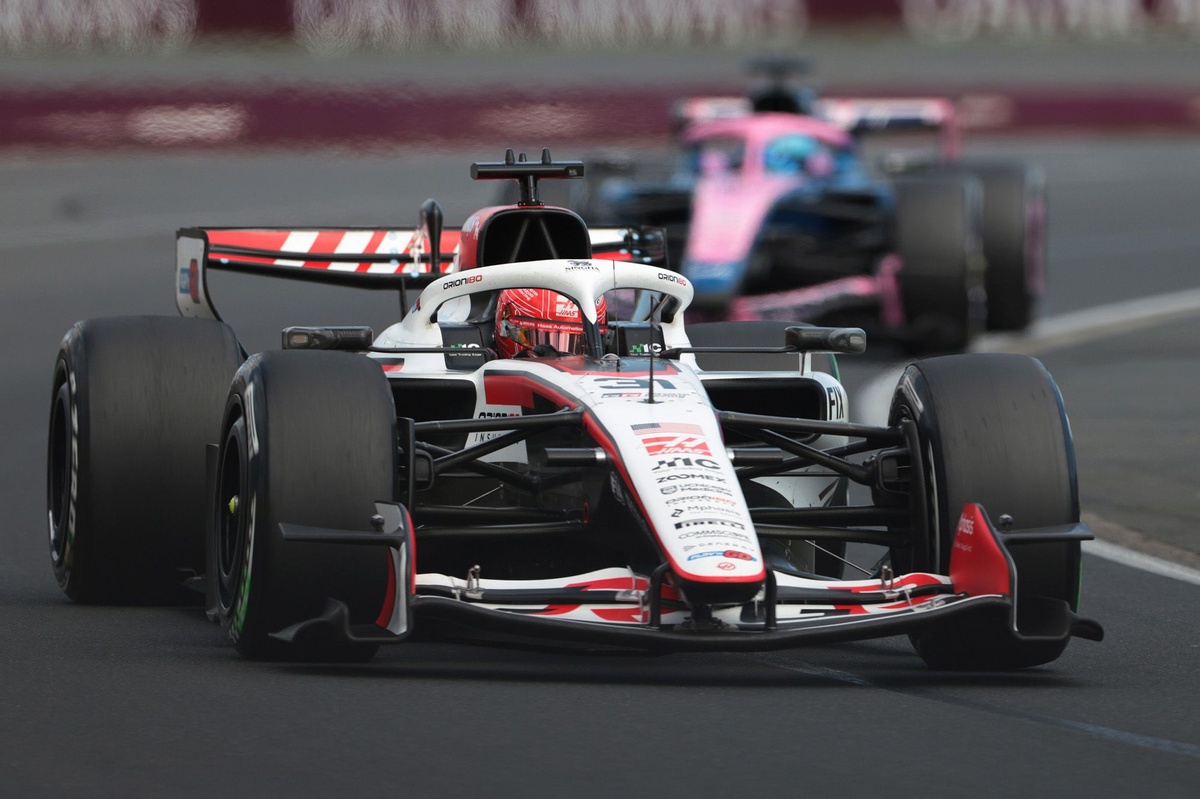

The future of Formula 1 is sparking fiery debate, and Haas team principal Ayao Komatsu is urging a calculated approach, calling for patience before any snap judgments are made on the controversial 2026 regulations. With star drivers like Max Verstappen and Lando Norris already voicing strong criticisms, Komatsu believes the sport needs a larger sample size—specifically, around five races—across diverse circuits before contemplating any changes to the significant technical overhaul.
Key Points on the F1 2026 Rules Debate
- Haas boss Ayao Komatsu advocates for patience, urging F1 to evaluate 2026 regulations over several races.
- Drivers, led by Max Verstappen, have slammed the new power unit rules, likening them to "Formula E on steroids."
- The regulations emphasize electrical energy and battery management, leading to 'unnatural' driving techniques.
- Komatsu highlights the need for diverse track data from at least five events before a balanced decision can be made.
The Storm Around F1's Future Power Units
The 2026 F1 regulations represent a radical shift, introducing new chassis designs and a power unit heavily reliant on electrical energy. This increased emphasis on battery management forces drivers into what some describe as 'unnatural' techniques, like downshifting on straights or lifting and coasting into corners to optimize energy harvesting.
Driver Reactions: "Formula E on Steroids"?
The initial reactions from the paddock have been far from unanimous. Reigning world champion Max Verstappen famously labeled the new driving style "Formula E on steroids," criticizing its potential impact on pure racing. Lando Norris has echoed similar concerns, with many drivers calling on the FIA for immediate adjustments.
The debut of these regulations at the recent Australian Grand Prix showcased some of the anticipated challenges, including a 'yo-yo' effect during racing and complex starts that nearly led to collisions. However, not all drivers are in agreement, with George Russell and potential future star Kimi Antonelli offering defenses of the proposed rules.
Komatsu's Plea for Patience: A Strategic Delay
Amidst the clamor for change, Haas team boss Ayao Komatsu stands firm on a pragmatic stance: wait. He insists that judging the new regulations based on one or two events would be a "knee-jerk reaction" and potentially detrimental given that these rules are set to govern the sport until at least 2030.
Why a Five-Race Window Matters
Komatsu argues that the varied characteristics of different circuits will expose distinct facets of the 2026 regulations. Tracks like Melbourne (front-limited, difficult to overtake) will present different challenges compared to Shanghai (long straights, easier energy recovery) or Bahrain (rear-limited, easier overtaking).
He outlined a crucial five-race window, encompassing the Australian GP, China, Japan, Bahrain, Saudi Arabia, and Miami, as essential for gathering sufficient data. This comprehensive evaluation, discussed in F1 commission meetings, would provide the balanced perspective needed to identify any global issues rather than localized anomalies.
Beyond the Hype: Long-Term Vision for F1
The sport's stakeholders, including teams, the FIA, and commercial rightsholders, must navigate this crucial period with foresight. Making hasty modifications could lead to further instability down the line. Komatsu's call for patience underscores the importance of a robust, data-driven approach to ensure the 2026 regulations genuinely enhance the spectacle of Formula 1 for years to come.