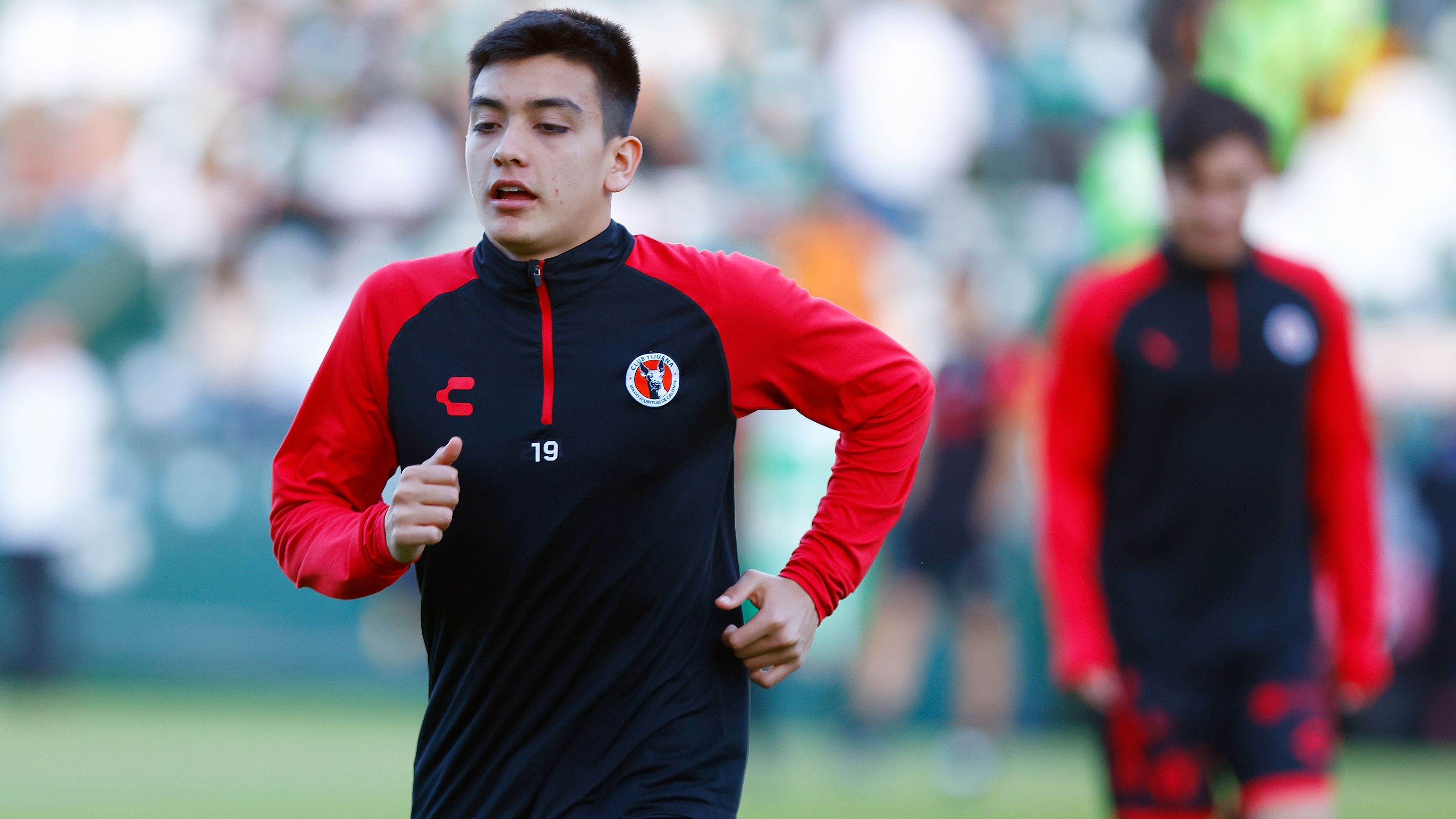
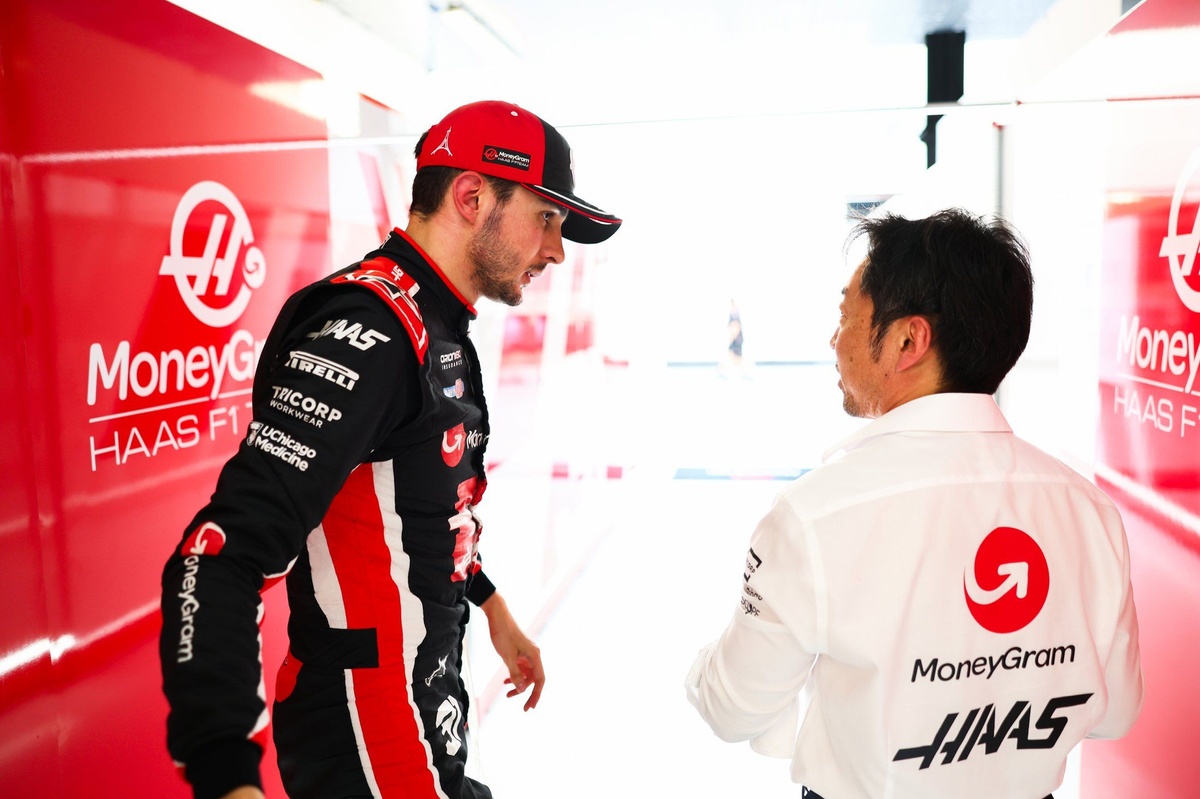

The gloves are off at Haas, as Team Principal Ayao Komatsu delivers a frank assessment of Esteban Ocon's underwhelming 2025 Formula 1 campaign. Despite Ocon's experience, his first year with the Haas F1 Team saw him surprisingly outshone by rookie sensation Oliver Bearman, prompting a clear call for improvement from the team boss.
Key Takeaways from Komatsu's Evaluation:
- Esteban Ocon significantly underperformed expectations in the 2025 F1 season, being outscored and consistently outqualified by rookie teammate Oliver Bearman.
- Komatsu pinpointed Ocon's struggles with the car's braking behavior, an issue Bearman did not face, suggesting a driving style mismatch.
- While acknowledging a 50-50 split in blame between the team and driver, Komatsu stressed the need for quicker resolution of performance issues.
- Despite the inconsistencies, Ocon's undeniable talent, particularly his impressive recovery at the Abu Dhabi Grand Prix, remains a vital asset for Haas.
A Season of Unmet Expectations for Ocon at Haas
Esteban Ocon arrived at Haas after a long tenure with Alpine, bringing a reputation as a proven race winner and podium finisher. However, the 2025 Formula 1 season did not unfold as anticipated. Komatsu openly admitted, "If you purely look at the sporting result, without going to details, for sure nobody's satisfied with Esteban's sporting result last year." The veteran driver tallied 38 points, falling short of Oliver Bearman's 41 points.
The Rookie's Ascent: Bearman's Shocking Debut
The most telling statistic paints a stark picture: Bearman outqualified Ocon by an impressive 17-11 margin, not including technical issues. This wasn't a fluke; as the season progressed, Bearman consistently found pace, leaving Ocon grappling with a car he described as "unmanageable." The rookie's rapid adaptation highlighted the challenges Ocon faced, turning the spotlight firmly on the Frenchman's performance.
Unpacking the Performance Puzzle: Driver vs. Machine
Ocon frequently voiced his discomfort with the Haas VF-25 car, particularly its braking characteristics. Komatsu, however, suggested the issue lay partly in Ocon's driving style, given Bearman's lack of similar complaints. "He's a team-mate against a rookie. Yes, amazing rookie, but nonetheless, he's got 10 years of F1 under his belt," Komatsu remarked, underscoring the gap between expectation and reality.
The Haas boss maintained that the blame wasn't entirely on the driver. "It's 50-50, right? Sometimes it's the team, we couldn't give him the car that he was comfortable [with], especially in qualifying." This shared responsibility underscores the complex dynamics of Formula 1 performance, where driver and machine must synchronize perfectly.
Baku and Abu Dhabi: A Tale of Two Performances
Specific circuits amplified Ocon's struggles. In Baku, for instance, his dissatisfaction with braking performance left him "miles off in the qualifying pace." Yet, the Abu Dhabi Grand Prix offered a glimpse of Ocon's true potential. After a "completely off" Friday where he felt like "a rookie who’s never driven an F1 car," he rallied spectacularly, narrowly outqualifying Bearman to reach Q3 and securing a strong seventh place finish in the race.
This Jekyll-and-Hyde performance encapsulates the conundrum for Haas. "What he can do on Saturday, Sunday, coming off the back of a very poor Friday, that's the talent he has," Komatsu stated, recognizing the raw speed that often lies buried under inconsistent form.
The Path Forward: Harnessing Ocon's Raw Talent
Komatsu emphasized that there's no "silver bullet" solution. Instead, it's a process of continuous improvement and closer collaboration. "There's not just a driver, there's not just a team, and then each instance is different," he explained. The crucial lesson from 2025 is the need for the team and driver to "get on top of that quicker."
For Haas to move forward, both drivers must consistently deliver. "We really need two drivers this year," Komatsu asserted, highlighting the team's reliance on Ocon to consistently harness his undeniable talent and translate potential into points. The challenge for Haas and Ocon in the upcoming season is clear: unlock that latent speed and turn inconsistency into reliability.