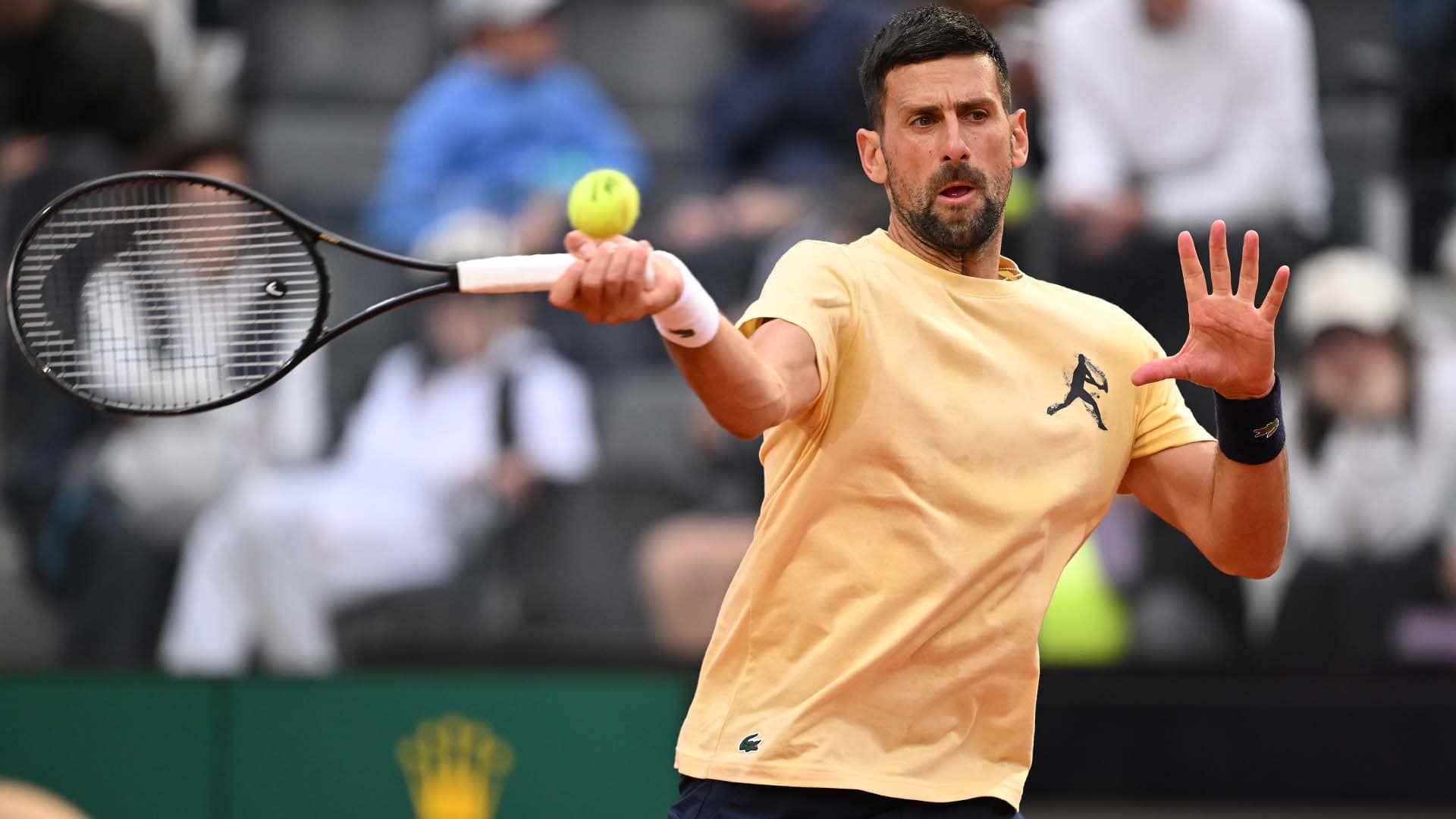


Iga Swiatek isn't just playing tennis; she's battling the ghosts of her own unparalleled past on clay, and the recent Rome match against Caty McNally was a thrilling, if slightly unsettling, chapter in that ongoing saga. The former Queen of Clay is navigating a new mental landscape as she aims to reclaim her dominance on the red dirt, a journey made even more intriguing with a coach from the Rafael Nadal lineage now in her corner.
Key Points:
- Iga Swiatek showcased both brilliance and unexpected vulnerability in her hard-fought 6-1, 6-7 (5), 6-3 victory over Caty McNally in Rome.
- Having lost her Roland Garros and Madrid titles in 2025, Swiatek is seeking to redefine her relationship with her once-dominant surface.
- New coach Francisco Roig, a former mentor to clay legend Rafael Nadal, is central to her renewed focus on improvement over outcome.
- Swiatek aims to channel the same pressure-free mindset that propelled her to a surprising Wimbledon title in 2025, now onto the clay courts.
The Empress and the Clay Throne: A Rocky Reign
For stretches during her second-round clash in Rome, it felt like the vintage Iga Swiatek had returned. She swiftly took the first set against **Caty McNally** with a commanding 6-1, showcasing her signature intensity and powerful groundstrokes. Her lead stretched to 3-1 in the second, suggesting another runaway victory was imminent for the player boasting a remarkable 21-3 record and three titles at this event.
Finding Her Footing in Rome: Battle Against McNally
But then, the familiar inconsistencies that have marked her 2026 season reappeared. Groundstrokes veered off course, crucial break points were squandered, and a double fault at a critical juncture allowed **McNally** to break back and eventually claim the second set. The see-saw battle continued into the decider before Swiatek finally rediscovered her early consistency, securing the match with a 6-3 final set.
Despite the wavering performance, Swiatek expressed satisfaction: “I’m happy at the end of the match I was solid and I used the right balls to attack, but was also patient enough to stay in the rally.” It’s a testament to **McNally's** tenacious play, having beaten **Swiatek** in the Roland Garros girls’ event and being the sole player to take a set off her at Wimbledon last year.
The Nadal Blueprint: Roig's Influence
This match, however, highlighted a broader narrative: Swiatek’s quest to regain her unwavering command on clay. From 2022 to 2024, she was virtually unstoppable on this surface, drawing comparisons to her idol, Rafael Nadal. But 2025 saw her surrender her clay crowns at Madrid, Rome, and Paris, along with her coveted No. 1 ranking.
This period of vulnerability has led to a significant change in her coaching setup. The appointment of **Francisco Roig**, a long-time member of Rafael Nadal’s coaching team, is a strategic move. Roig’s experience with **Nadal** — a player who mastered the immense pressure of winning repeatedly on his favored surface — is invaluable.
From Grass Court Glory to Clay Court Clarity
Interestingly, Swiatek found unexpected success on grass in 2025. With nothing to defend after a challenging clay season, she approached the grass-court season with a focus on improvement rather than results. This mindset shift led to her improbable Wimbledon title. The burning question now is whether she can bring that same liberating, pressure-free approach to her 2026 clay campaign.
Enjoying the Process: Swiatek's New Philosophy
Off the court, Swiatek’s demeanor suggests a positive shift. “I love being here,” she stated about **Rome**. “These are honestly the most exciting tournaments for me, also in terms of spending time off the court. I’m just enjoying life.”
Her partnership with Roig is clearly making an impact. “I think we have the same vision of how I should play. He’s helping me to achieve that,” she commented. She further added, “I’ve been trying some different options in practices, which is great, because I wasn’t exactly comfortable with how I played a couple months back. This feels more natural and more solid and I would say kind of disciplined.”
The most telling quote, however, encapsulates her new philosophy: “Honestly the most important thing for me is that I’m enjoying playing. I enjoy practicing. Every practice for me makes sense. It feels like a process and it feels like every practice I learn something new.” This focus on the journey, rather than the destination, echoes the attitude that propelled her to Wimbledon glory. While her on-court results have been