

The Storm Brews: Trump's Shadow Over the World Cup
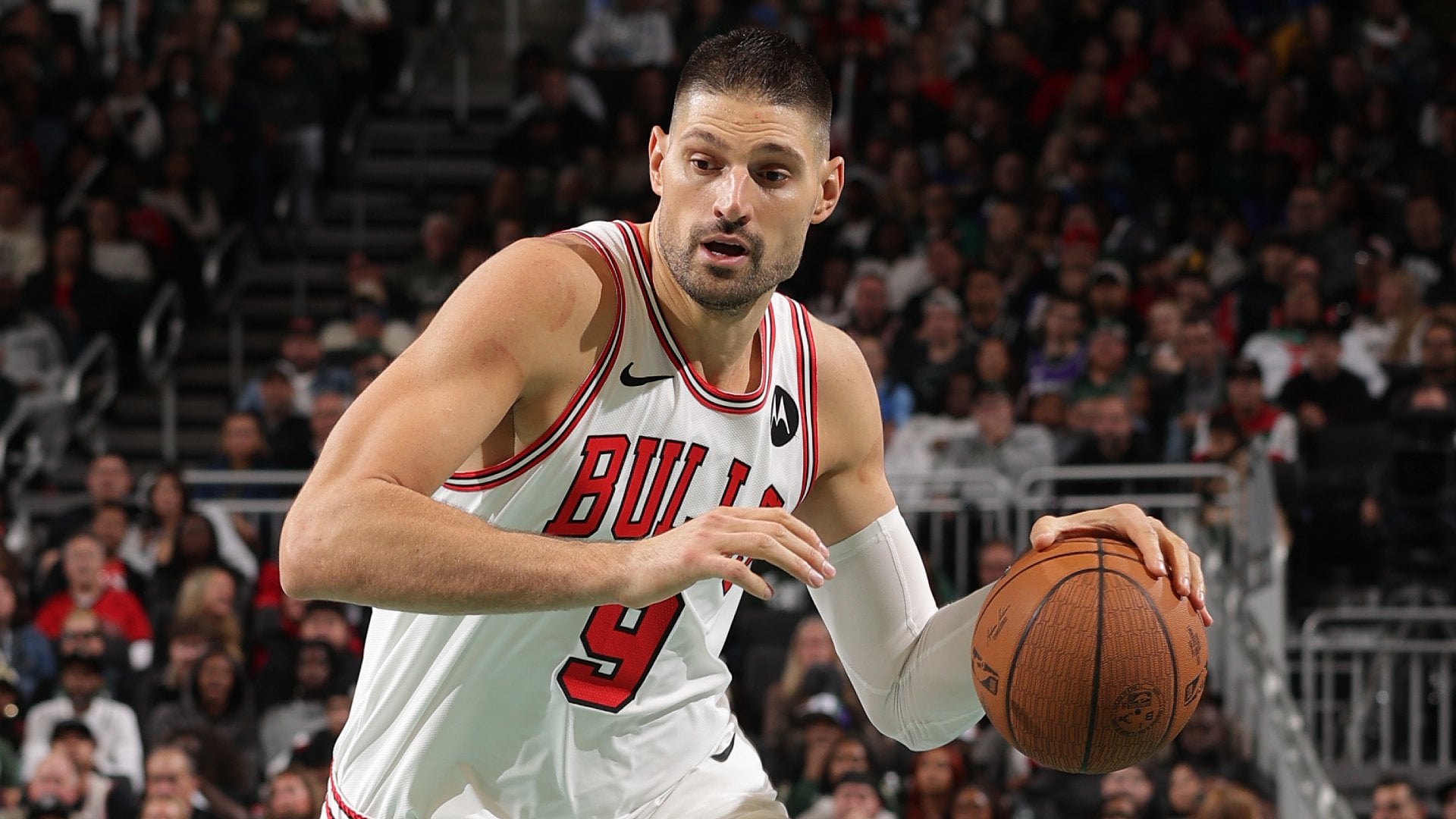
The footballing world erupted in controversy following the decision to controversially suspend the one-match ban for USA forward Folarin Balogun. This came after he received a red card during a World Cup last-32 clash against Bosnia.
What truly ignited the fury was former US President Donald Trump's open admission that he had personally requested Infantino to review the incident. Despite Belgium's subsequent 4-1 victory over the USA in the last-16, the shadow of political meddling cast a long, dark cloud over the tournament's fairness.
A Decade of Rule: Infantino's Defiant Stance
Calls for Gianni Infantino's resignation have intensified, yet the FIFA President remains unshakeable. Having served at the helm for a decade, Infantino is not just digging in; he's declared his intent to seek re-election next year, potentially extending his term until 2031.
While facing significant criticism from European federations, Infantino enjoys robust support in regions like Africa and South America. This crucial backing could be his lifeline, making his re-election in 2027 a strong possibility despite the current uproar.
UEFA's Fury: "A Red Line Crossed"
The loudest condemnation has come from UEFA, European football's governing body, which didn't mince words. They decried FIFA's decision to overturn Balogun's suspension as having "crossed a red line," asserting that the very basis of fair competition was being undermined.
The Stakes: FIFA's Own Rules Challenged
UEFA highlighted the non-discretionary nature of an automatic one-match ban for a red card, emphasizing that such a rule cannot be bent, especially mid-tournament. They warned that when the certainty of rules is compromised by those meant to uphold them, the integrity of the game and the credibility of the competition itself are at stake. This unprecedented decision, they argue, sets a dangerous precedent, forcing equal treatment for future similar incidents.
This entire saga directly challenges FIFA's own stringent regulations against third-party and political interference in national associations' affairs. The global governing body has previously suspended federations, such as the Nepalese one, for similar transgressions. Now, the spotlight shines squarely on FIFA's leadership, questioning whether its own principles apply equally to all, or if power dictates policy.