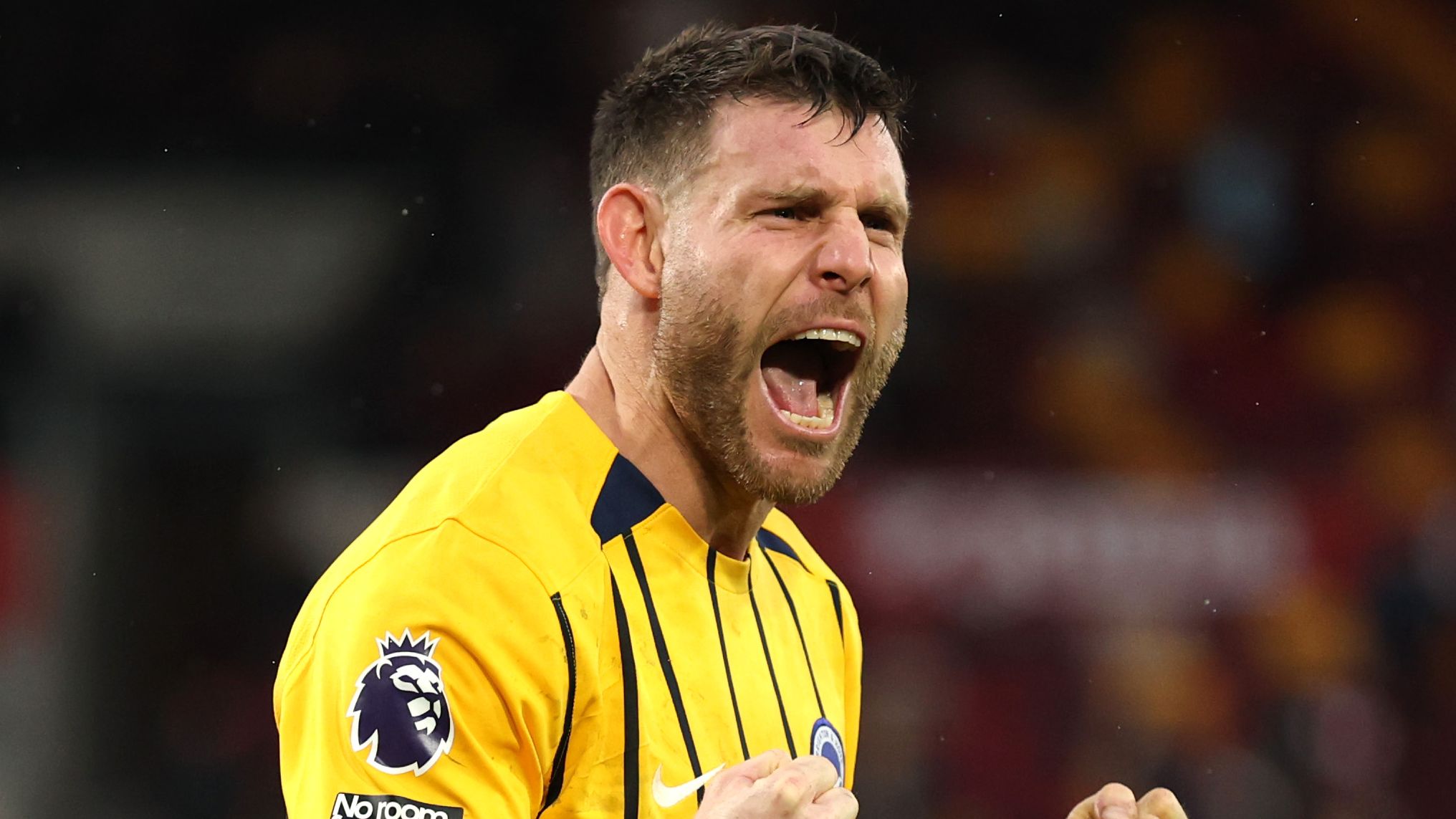


The specter of Gianni Infantino's omnipresent gaze has become as much a fixture of the World Cup broadcasts as the goals themselves, raising critical questions about editorial independence and the true cost of broadcasting rights.
- FIFA President Gianni Infantino's consistent presence in broadcast feeds during World Cup matches.
- BBC and other broadcasters face limitations due to binding FIFA licensing agreements.
- The "world feed" provided by FIFA dictates a significant portion of what viewers see.
- Debate rages over the balance between showcasing the sport's highest office and focusing on the action.
The Unseen Strings: FIFA's Grip on Broadcasts
For major tournaments like the World Cup, broadcasting isn't merely about airing a football match. It's about securing a comprehensive "package" of rights from organizations like FIFA. These agreements come with extensive stipulations, often including requirements on what footage must be shown and how official narratives are maintained.
Broadcasters, including the venerable BBC, find themselves navigating a complex landscape. While they invest heavily to bring the global spectacle to their audiences, their editorial control isn't absolute. This is where the visibility of figures like FIFA President Gianni Infantino becomes more than just a passing shot.
Infantino's Ubiquitous Presence: A Feature, Not a Fluke?
Viewers across the globe have noticed a distinct trend: Gianni Infantino regularly appearing in the stands during World Cup games. These aren't random, isolated moments. Instead, they are often captured by the "world feed" – the primary camera coverage produced by FIFA itself and distributed to all rights-holding broadcasters.
Whether this is a deliberate strategy to promote FIFA's leadership or simply a reflection of the President's attendance, it undoubtedly shapes the viewer experience. His consistent screen time has sparked conversations, and not always positive ones, among fans and critics alike.
The Broadcaster's Conundrum: BBC's Limited Leeway
Imagine being a broadcaster like the BBC, committed to delivering unvarnished sports coverage, yet receiving a feed largely controlled by the governing body. This is the reality. The contractual terms with FIFA effectively tie the hands of national broadcasters, limiting their ability to significantly alter the "world feed" they are provided.
Despite potential internal complaints or viewer feedback regarding the prominence of certain officials, the BBC's options for redress are minimal. Breaching these broadcasting rights agreements could lead to severe penalties, including the loss of future access to highly coveted events. It's a classic case of commercial necessity overriding journalistic preference.
Fan Focus vs. Official Narrative: Who Controls the Frame?
Ultimately, the heart of the matter lies in what the fans want to see. The majority tune in for the thrilling on-field action, the drama of the game, and the incredible athleticism. When precious airtime is diverted to shots of officials, even the head of FIFA, it can feel like a distraction.
This tension highlights a critical struggle in modern sports media: the balance between the content dictated by event organizers and the independent editorial voice of broadcasters. For the BBC, renowned for its impartial reporting, this "agreement" represents a significant editorial challenge.
Beyond the Headlines: The Bigger Picture of Sports Media Power
The situation with Gianni Infantino's visibility is a microcosm of a larger trend. Major sports organizations are increasingly asserting control over how their events are packaged and presented to the world. From content creation to distribution, entities like FIFA are leveraging their power as rights holders.
This dynamic shapes not only what we see on our screens but also how narratives are formed around global sporting events. For fans, understanding these underlying agreements offers crucial insight into the complex world behind the spectacle.