
Jamal Crawford on LeBron's Genius, Wemby's Defense, & NBA Insights
The game of basketball runs through the veins of Jamal Crawford, a wizard with the ball and an insightful analyst. In a recent mailbag, the 20-year NBA veteran pulled back the curtain, offering a rare glimpse into the minds of legends, the strategies of today’s stars, and the subtle nuances that define the league.
Crawford's Key Takeaways
- LeBron James demonstrated an elite basketball IQ and unmatched physical prowess from his earliest days.
- Derrick White stands out as a "transformer," adapting seamlessly to any role or challenge on the court.
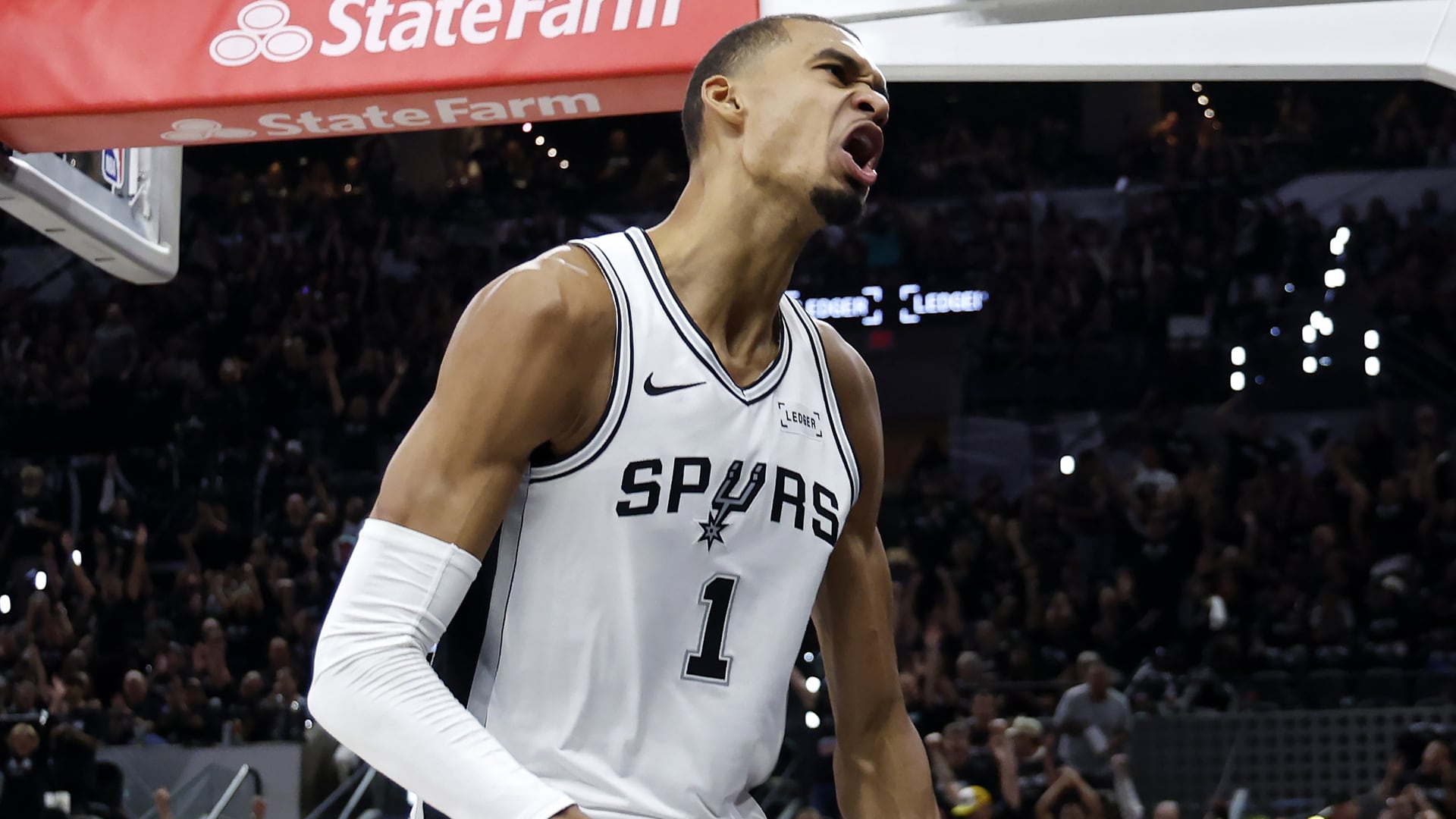
- Challenging Victor Wembanyama defensively requires extreme range and intricate dribble combinations.
- The modern NBA sees unprecedented comebacks, with stars like Kevin Durant and Jayson Tatum defying severe injuries.
Unpacking the Greatness: LeBron and White's Unique Impact
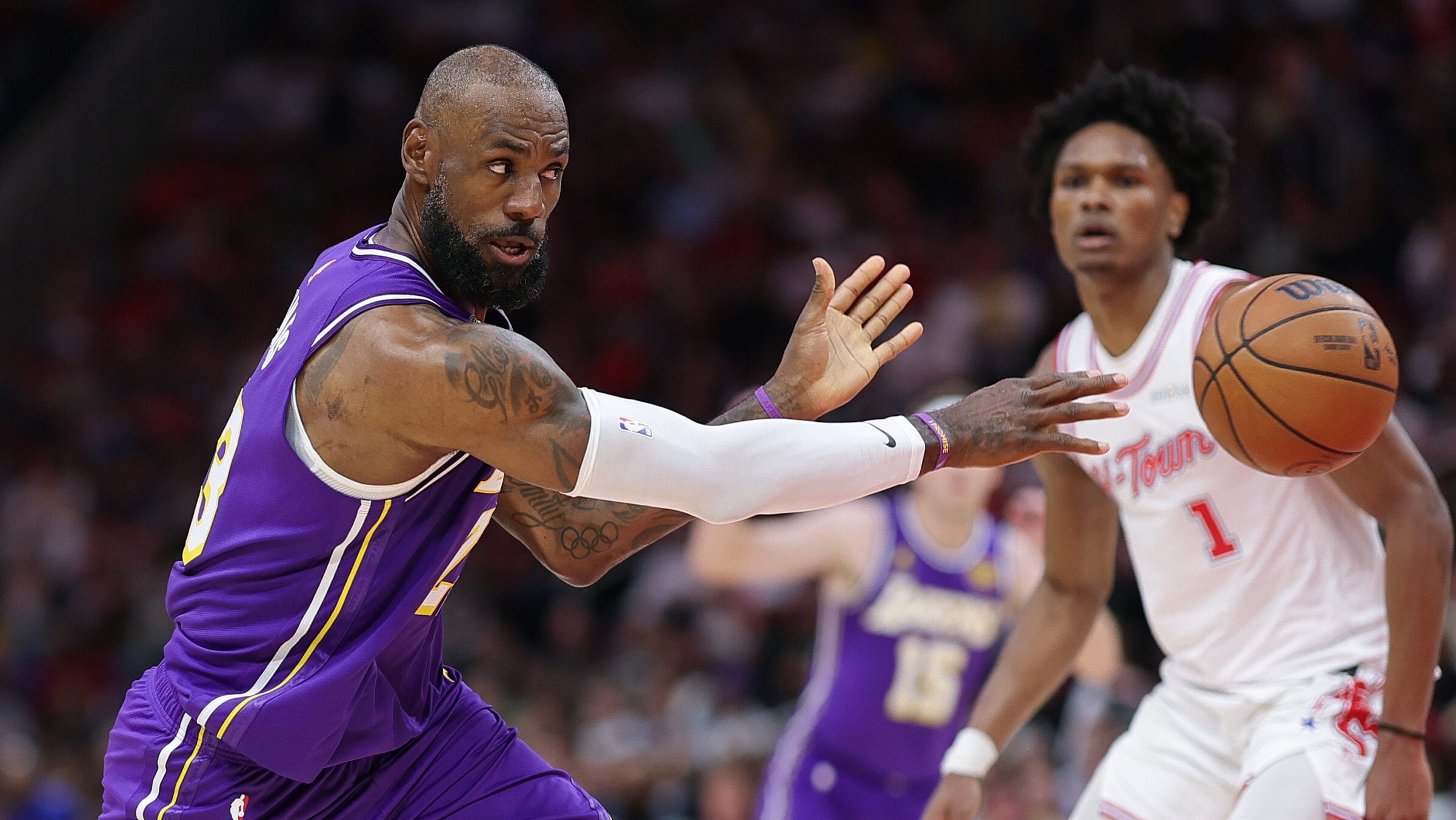
Jamal Crawford offers a breathtaking account of playing against a young LeBron James. "It was unbelievable," Crawford recounts, recalling a moment in The Garden during LeBron’s third year where he stole the ball and dunked from near the free throw line with minimal dribbles. What truly set LeBron apart, even then, was his mind. He possessed a Hall of Fame-level basketball intellect from "Day 0," thinking like a seasoned veteran as a rookie.
Switching gears to today's game, Crawford heaps praise on Boston Celtics guard Derrick White. Most players have a specialty, but White is a "transformer." His rare ability to adjust his style to any situation makes him incredibly special and invaluable to his team. He's not just a shooter or a defender; he's whatever the moment demands.
The Wembanyama Challenge and Injury Resilience
How do you score on the seemingly unguardable Victor Wembanyama? Jamal Crawford has a plan: create maximum space, use a series of dribble moves to make him "dance," and then pull up from "really, really, really deep." Even if Wemby falls for a move, his incredible recovery speed and shot-altering length mean you still need extraordinary distance to get a clean look. It's a testament to Wemby's unique defensive presence.
Crawford, no stranger to overcoming adversity after an early career ACL tear, expresses immense admiration for players like Jayson Tatum and Kevin Durant. Their ability to bounce back quickly from severe injuries — Tatum from various knocks and Durant making an Achilles tear look like an "ankle sprain" — highlights the advancements in sports medicine and the sheer determination of these athletes. It's inspiring to see them perform at such high levels post-recovery.
The Strategic Nuances of NBA Life
Late in the season, the focus shifts dramatically for NBA teams. It’s no longer about full-blown practices but about "get what you need." This means walkthroughs, individual skill work, weight room sessions, and crucial "table time" for massage therapy and recovery. Mental presence becomes paramount over physical exertion, allowing players to stay sharp without risking burnout.
Crawford also touches on the intense professionalism required in the league. For rookies, learning that "being on time means being early" is a crucial lesson. He recounts arriving 90 minutes ahead of practice to avoid feeling late, highlighting the competitive drive and dedication pervasive among NBA players.
Coaching, Creativity, and Court Culture
Jamal Crawford is deeply bitten by the "coaching bug," currently leading a high school team that includes his son and the top high school player in the world, Tyran Stokes. Coaching at his alma mater is an "unreal feeling," and he sees a future as a high school head coach.
His own unique style was forged through free play as a child, prioritizing "discovery" over structured drills. This allowed him to experiment, see what worked, and develop his distinctive flow. It's ironic, he notes, that moves once criticized are now taught by trainers, showcasing how the game evolves.
Crawford identifies Kobe Bryant, Kevin Durant, Michael Jordan, Kyrie Irving, and a tie between Carmelo Anthony and Tracy McGrady as his top five all-time 3-level scorers, acknowledging Jordan's overlooked three-point efficiency. He also carves a Mount Rainier of Seattle hoopers, including Doug Christie, Jason Terry, Brandon Roy, and a versatile group of modern stars.
The Heartbeat of the Arena: Pressure and Trends
Ask any player, and they'll tell you certain arenas just hit different. For Jamal Crawford, Utah posed a challenge with fans "right on top of you," creating an intense atmosphere. But his favorite and simultaneously toughest arena was The Garden in New York. The pressure of playing in front of icons like Jay-Z, Spike Lee, and Denzel Washington added a unique layer of scrutiny, demanding absolute focus.
Crawford also reflects on evolving NBA trends, particularly the rise of 3-point shooting and its symbiotic relationship with offensive rebounding. As Doc Rivers once emphatically taught him, an offensive rebound kicked out for an open three is "the best 3" because defenses are collapsed in the paint. This strategic shift underscores the league's constant innovation.
Finally, for players on the bench, staying "hot" is a mental game. Crawford would mentally play along, analyzing defensive coverages to plan his first shot. Observing pick-and-roll schemes and knowing whether to pass or drive for a mid-range jumper ensured he was in rhythm the moment he stepped onto the court. It’s a masterclass in preparation and strategic readiness.