
Japan's Pickleball Revolution: Olympic Dreams & Court Challenges
Japan is on the brink of a pickleball revolution, a phenomenon poised to sweep the nation and redefine its sporting landscape. This deceptively simple yet highly tactical sport, already a sensation in the US, is rapidly establishing a firm foothold across the Land of the Rising Sun.
Key Points Shaping Japan's Pickleball Surge
- Explosive Growth: Pickleball player numbers are surging, with over 330,000 enthusiasts currently, demonstrating remarkable momentum.
- High-Profile Events: The PPA Tour Asia in Tokyo drew top talent and even royal attendance, signaling mainstream acceptance.
- Strategic Unification: The newly formed Pickleball Japan Federation is streamlining governance, aiming for Olympic inclusion by Brisbane 2032.
- Court Crunch: Demand for playing spaces is outstripping supply, presenting a crucial challenge for sustained expansion.
The Pickleball Phenomenon Takes Root
What makes pickleball so compelling? Its ease of entry, combined with deep tactical layers, has captivated over 24.3 million Americans. Now, Japan is catching up fast, with local media reporting a significant leap to an estimated 330,000 players. This isn't just a fleeting trend; it's a testament to the sport's universal appeal.
Star Power and Royal Seal of Approval
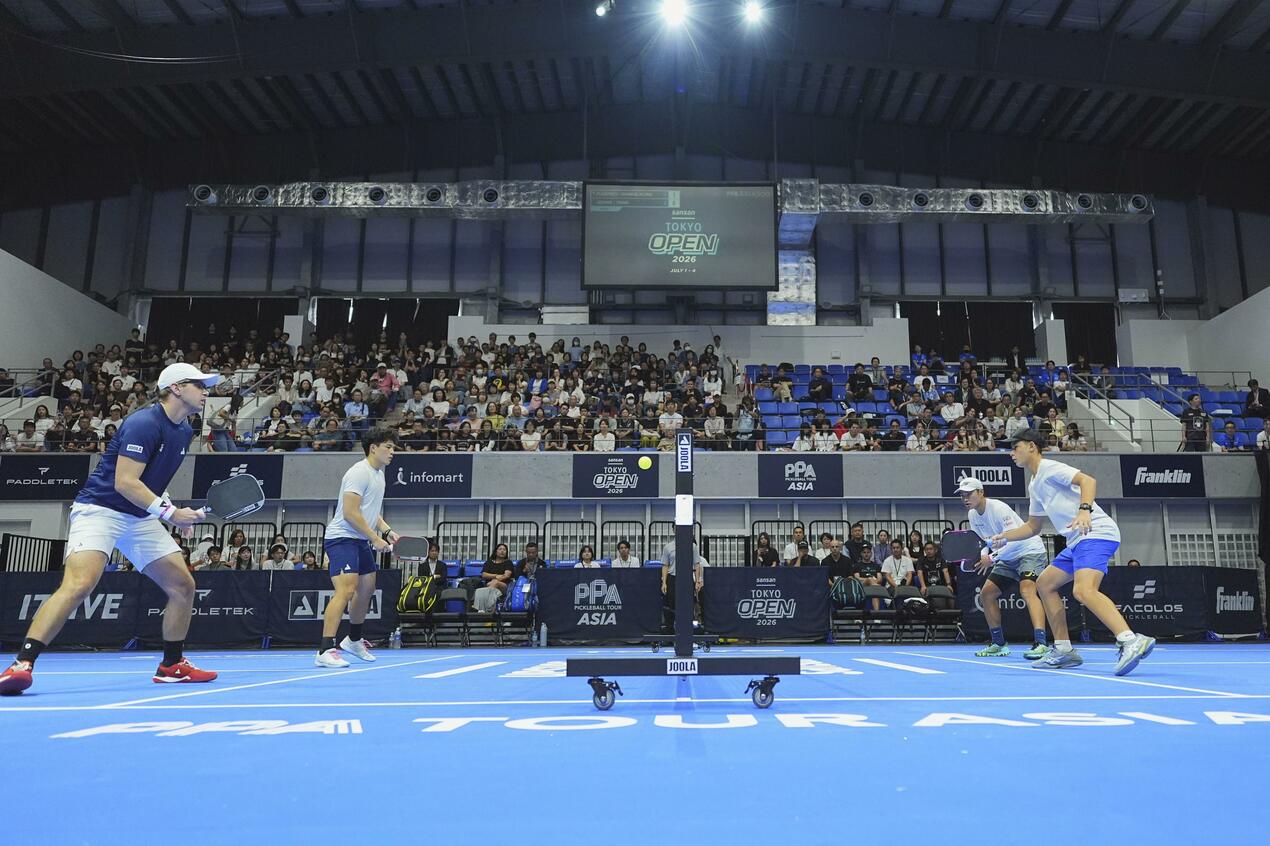
The recent Professional Pickleball Association Tour Asia in Tachikawa, western Tokyo, proved Japan is a serious player on the global pickleball stage. Attracting roughly 100 professionals and over 300 amateurs from across Asia and the US, the event was a vibrant showcase of talent.
Crucially, the final match drew a substantial crowd, including Princess Hisako, widow of Prince Takamado. Such high-profile attendance unequivocally underscores the sport's escalating prestige and public interest. Men's Doubles champion, Yuta Funemizu, perfectly captured the sentiment: “I think we can create a wave in Japan if we’re able to show how fun the game is.”
A Unified Front: The Road to Brisbane 2032
The strategic moves off-court are just as significant. April witnessed the pivotal merger of two Japanese pickleball associations, forming the powerful Pickleball Japan Federation. This unification is a game-changer, designed to standardize rules, philosophies, and tournament formats across the nation.
Rika Riordan, chairperson of the new federation, emphasized that this move will “create ties with municipalities and schools,” paving the way for broader grassroots adoption. Their ambition is clear: align with international efforts to push pickleball for **Olympic inclusion** at **Brisbane 2032**. The federation's swift acceptance into the **Japan Sport Association** by June highlights the seriousness of this pursuit.
The Court Conundrum: Growing Pains of Popularity
Despite the immense enthusiasm and organizational strides, one significant hurdle persists: court availability. The surging popularity of pickleball in Japan means demand is rapidly outstripping supply, leaving many players scrambling for places to play.
“Pickleball spreads quickly, so we must catch up to provide more spaces for those who are curious about the game,” cautioned Riordan. This challenge, while a clear indicator of success, demands immediate attention to sustain the sport's explosive growth.
Japan's Global Pickleball Ambitions
The numbers don't lie. The bustling courts, the high-profile events, and the focused organizational efforts all point to a sport on a meteoric rise. While **Japan** may still trail the United States in sheer player volume, the sheer energy and strategic vision surrounding pickleball suggest it’s only a matter of time before the nation becomes a dominant force on the global **pickleball** stage. The wave is building, and it's poised to crash onto the world scene.