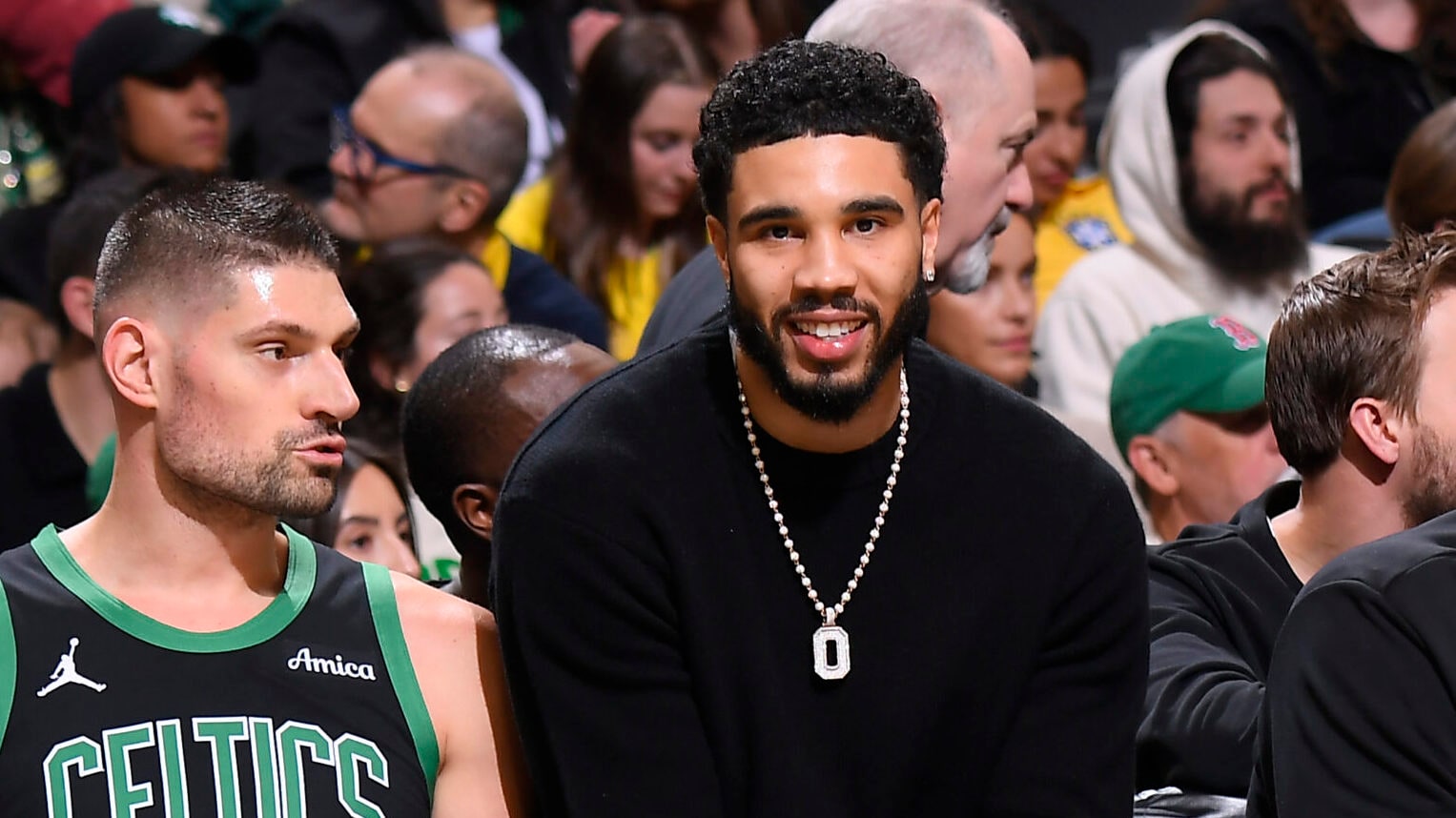

The basketball world holds its breath as Boston Celtics superstar Jayson Tatum nears his return from a devastating Achilles tear. This isn't just about getting back on the court; it's about the very trajectory of his career and the Celtics' championship aspirations. History offers a stark choice: the cautionary tale of Kobe Bryant's rapid return, or the blueprint for sustained dominance laid out by Kevin Durant.
Key Recovery Insights for Tatum:
- Kobe Bryant's 2013 comeback was incredibly fast (8 months) but short-lived due to another injury.
- Kevin Durant opted for an extended 18-month recovery, returning to peak performance and longevity.
- Modern NBA trends show Achilles tear recovery times are lengthening, with an average of 13.6 months since 2015-16.
- Tatum's potential 10-month return would be fast by today's standards, making the decision pivotal for his future and the Celtics.
The High Stakes of Tatum's Comeback
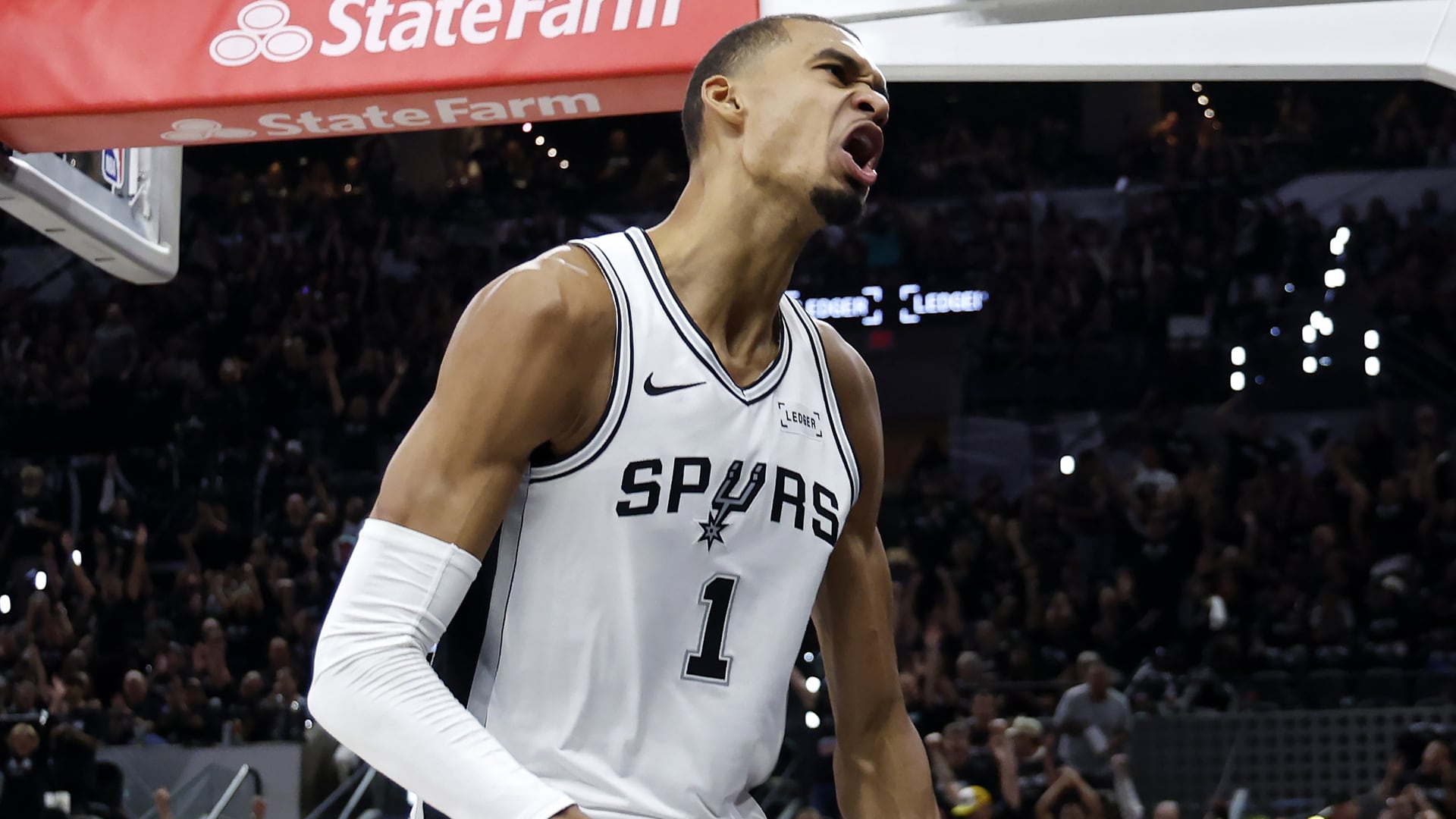
When Kobe Bryant tore his Achilles in April 2013, the Los Angeles Lakers' social media team whipped fans into a frenzy with a dramatic video teasing his return. The message was clear: a legend was coming back. Just eight months later, at 35 years old, Bryant stepped onto the court, having missed only 21 regular-season games—a near-record recovery from an injury that notoriously ends careers. The initial excitement, however, quickly faded.
Bryant's comeback lasted a mere six games. A serious knee injury in the same leg nine days after his return derailed his season and, arguably, forever altered his playing ability. For Jayson Tatum, a lifelong admirer of Bryant's legendary Mamba Mentality, this chapter serves as a potent reminder that speed isn't always success.
Durant's Masterclass in Patience
Contrast Kobe's story with that of Kevin Durant. When Durant suffered his Achilles tear in the 2019 NBA Finals while with the Golden State Warriors, he made a different choice. Instead of rushing back, Durant took a full 18 months off, sitting out the entire following season even after joining the Brooklyn Nets. This decision, made even before the COVID-19 pandemic complicated rehab schedules, proved to be a stroke of genius.
Now 37 years old, Durant is still dominating the league with the Houston Rockets, averaging an unthinkable 27.6 points since his return. His post-Achilles resume—six All-Star selections and two All-NBA nominations—eclipses many players' entire careers. Durant's methodical approach provided the crucial time his body needed to fully heal, setting a new gold standard for Achilles recovery and demonstrating that patience can unlock longevity.
The Evolving Science of Achilles Rehab
Achilles tear recovery timelines are not one-size-fits-all. However, recent trends show a clear shift towards longer periods away from the game. Research indicates that from the 2005-06 to 2014-15 seasons, the average NBA player returning from an Achilles spent 10.4 months on the sidelines. Players like Elton Brand and Mehmet Okur matched Kobe Bryant's eight-month timeline, and Wes Matthews even returned in 7.7 months, going on to a impactful nine-year career.
But the landscape has changed dramatically. From 2015-16 to 2024-25, the average recovery time has stretched to 13.6 months. Dejounte Murray's recent 13-month absence before returning to the New Orleans Pelicans is increasingly the norm. Even Klay Thompson, factoring in an earlier ACL injury, spent nearly 14 months rehabbing his Achilles.
While some, like Rudy Gay and Dru Smith, have managed quicker returns in the modern era, they are now statistical outliers. The consensus among medical professionals and players seems to be that more time leads to better outcomes, though it doesn't guarantee a return to All-Star form, as seen with DeMarcus Cousins.
Boston's Championship Window: A Factor?
Tatum's situation is unique. His surgery with Dr. Martin O’Malley was performed remarkably fast, within 24 hours of the injury. Dr. O'Malley notes, “There’s pretty strong data that if you do [Achilles surgery] within 24 hours [of injury], patients have better outcomes.” This early intervention is a significant positive for Tatum's prognosis.
If Tatum returns within 10 months, he'd be ahead of most modern players but still two months beyond Kobe's timeline. Should he mirror Durant's approach, taking roughly 17.5 months to return at the start of next season, it would be a testament to prioritizing long-term health over immediate gratification. The pressure on Tatum and the Celtics, vying for a championship, is immense. His decision will not only impact his legacy but also directly influence Boston's quest for banner 18.