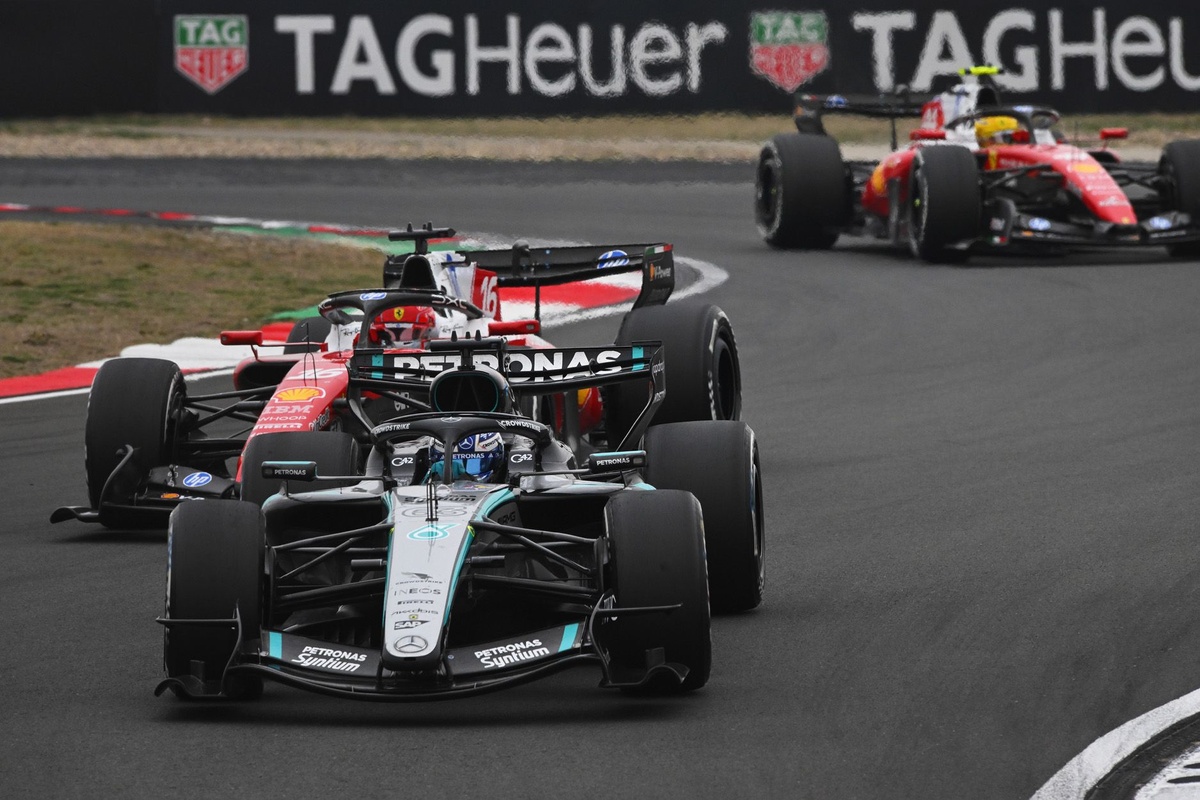

The early F1 season has left fans buzzing, but Charles Leclerc has dropped a dose of stark reality: Ferrari isn't as close to Mercedes as those thrilling opening laps might suggest. The perception of a neck-and-neck championship fight might just be an illusion, according to the Prancing Horse's star driver.
- Charles Leclerc clarifies that Ferrari lags significantly behind Mercedes in raw pace, despite close on-track battles.
- Mercedes holds a consistent four to five tenths lap time advantage in clear air.
- Ferrari's SF-26 excels in corner exits and race starts due to a unique power unit setup.
- The "yo-yo effect" allows Ferrari to challenge initially, but they struggle to maintain contact once separated from Mercedes.
The Illusion of Closeness: Leclerc's Reality Check
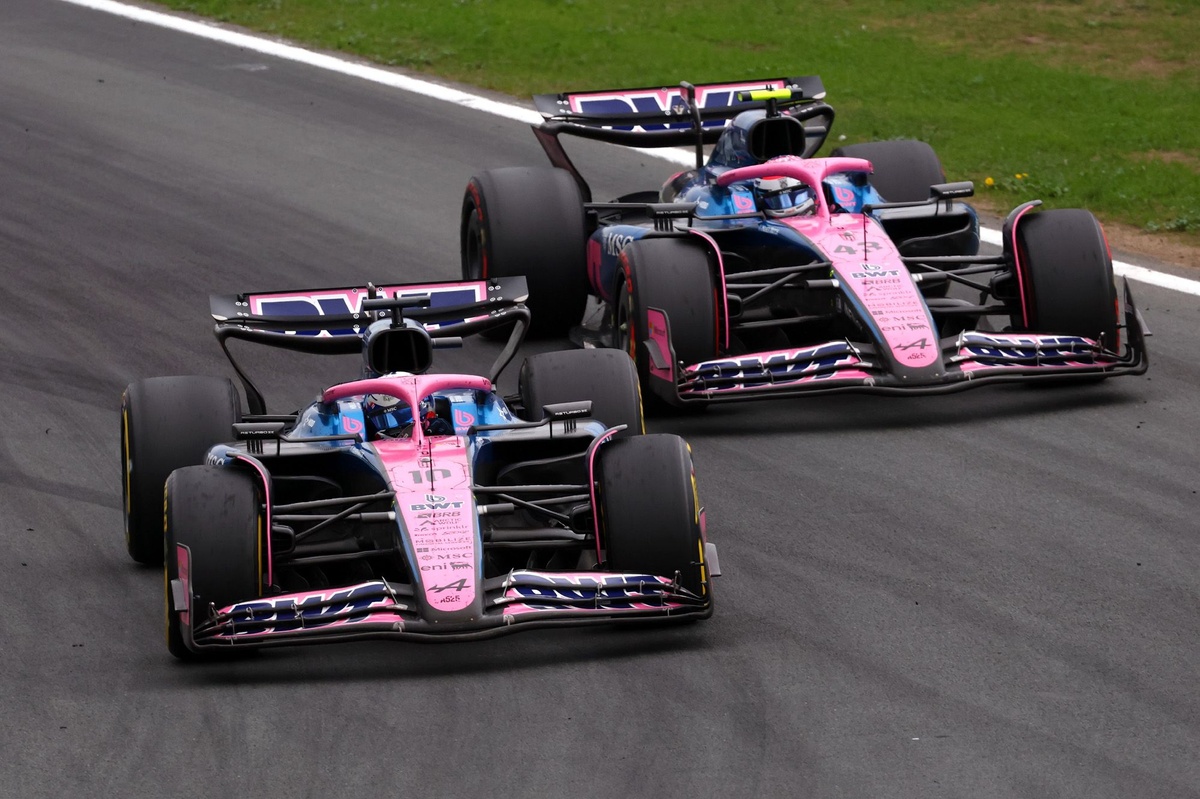
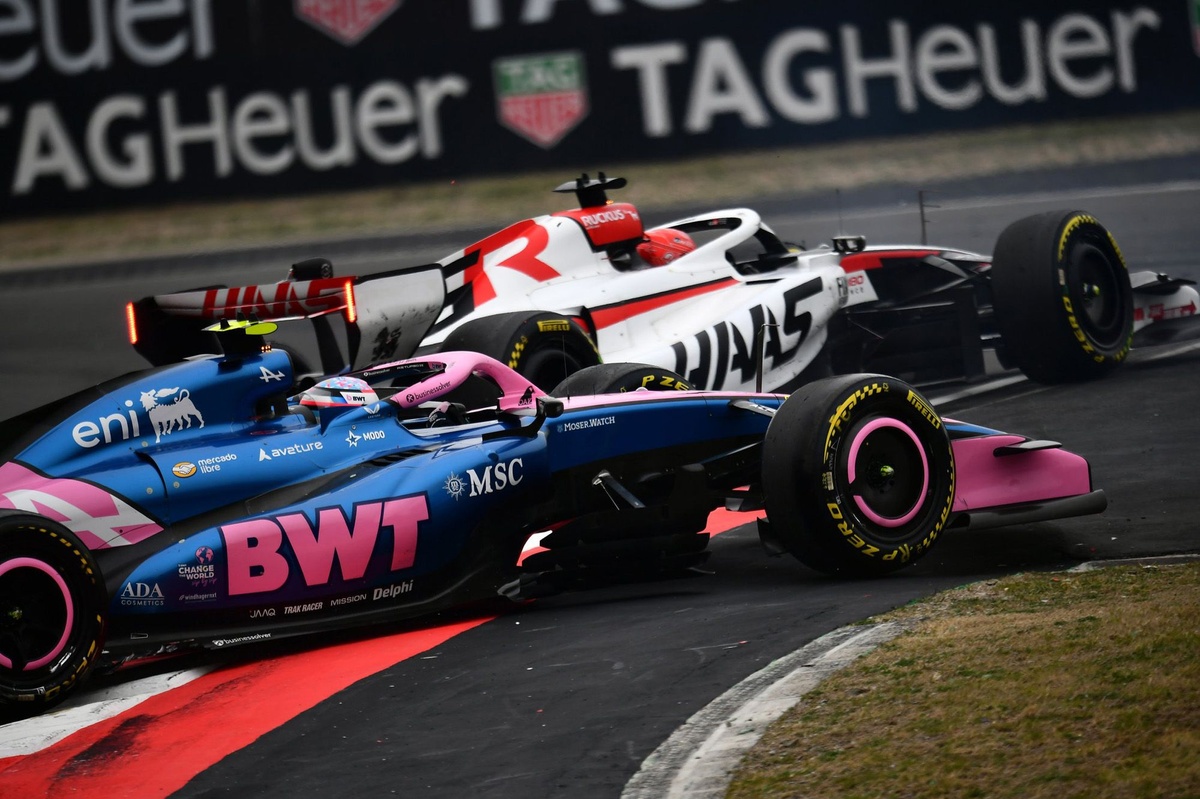
The opening rounds of the F1 season, particularly the Australian and Chinese Grand Prix, delivered electrifying wheel-to-wheel combat between Ferrari and Mercedes. These high-octane exchanges painted a picture of two titans evenly matched at the top. However, Charles Leclerc has firmly challenged this narrative, stating his SF-26 isn't yet a race-winning machine purely on merit.
"For now, we are in an okay-ish place," Leclerc admitted ahead of the Japanese Grand Prix. "But of course, we're not here to only do podiums and we want to win races, which at the moment seems very difficult because Mercedes is at a very high level." He bluntly concluded, "I don't think it's as close as maybe people think."
Unpacking the Technical Divide: SF-26 vs. W17
The on-track spectacle might deceive, but beneath the surface, Ferrari's SF-26 and Mercedes' W17 possess distinct performance characteristics. Understanding these differences reveals why the perceived gap is wider than the race starts imply.
Ferrari's Corner Exit Prowess
Ferrari's engineers anticipated the challenges associated with removing the MGU-H from the hybrid power unit. By fitting a smaller turbo with less inertia, the SF-26 boasts exceptional punch out of corners and away from the starting line. This unique design allows Ferrari drivers to immediately get into the mix and battle for position in the chaotic opening stages of a race.
Mercedes' All-Round Advantage
Conversely, the Mercedes W17 appears to operate with a superior mechanical balance and generates more downforce. This allows it to carry greater speed into corners, efficiently harvesting more energy in the process. Combined with a highly effective straight-line mode, Mercedes can achieve crucial lap time gains, even if their top speeds aren't always the highest. This translates into a consistent four to five tenths lap time advantage in clear air.
The "Yo-Yo" Effect: Why Ferrari Can't Keep Up
The intense battles at the start of races, while thrilling, prevent drivers from executing an "optimal lap" for energy harvesting and deployment. This is the root of what Leclerc describes as "yo-yo racing." When cars are fighting hard, drivers constantly trigger electrical boost, disrupting the most efficient energy strategy.
As long as Ferrari remains locked in combat with Mercedes, they can stay in touch. However, any external factor that breaks this connection — like a well-timed Safety Car pit stop — exposes the true pace differential. The Australian Grand Prix served as a prime example: both Mercedes cars pitted under an early Safety Car, while Ferrari stayed out, effectively "breaking the string of the yo-yo."
Leclerc himself articulated the strategy: "Our only chance to stay with them is to annoy them in the first few laps." He continued, "but as soon as they get free air then they've shown their real pace in the last races – and I think there's still these four or five tenths that we've seen throughout these first two races. So, it's still a significant advantage."
Looking Ahead: Ferrari's Path to Catch Up
Despite the daunting gap, Charles Leclerc remains undeterred and optimistic about Ferrari's future. The team is not standing still, with "some things in the pipeline" to address the performance deficit. The focus now is on meticulous development and refinement, avoiding hasty decisions that could derail their progress.
The F1 season is long, and Ferrari is renowned for its fighting spirit. While Mercedes currently holds the upper hand in outright pace, the Scuderia is relentlessly working to close the gap and turn the illusion of closeness into genuine, sustained competition for race victories. The battle for F1 supremacy is far from over!