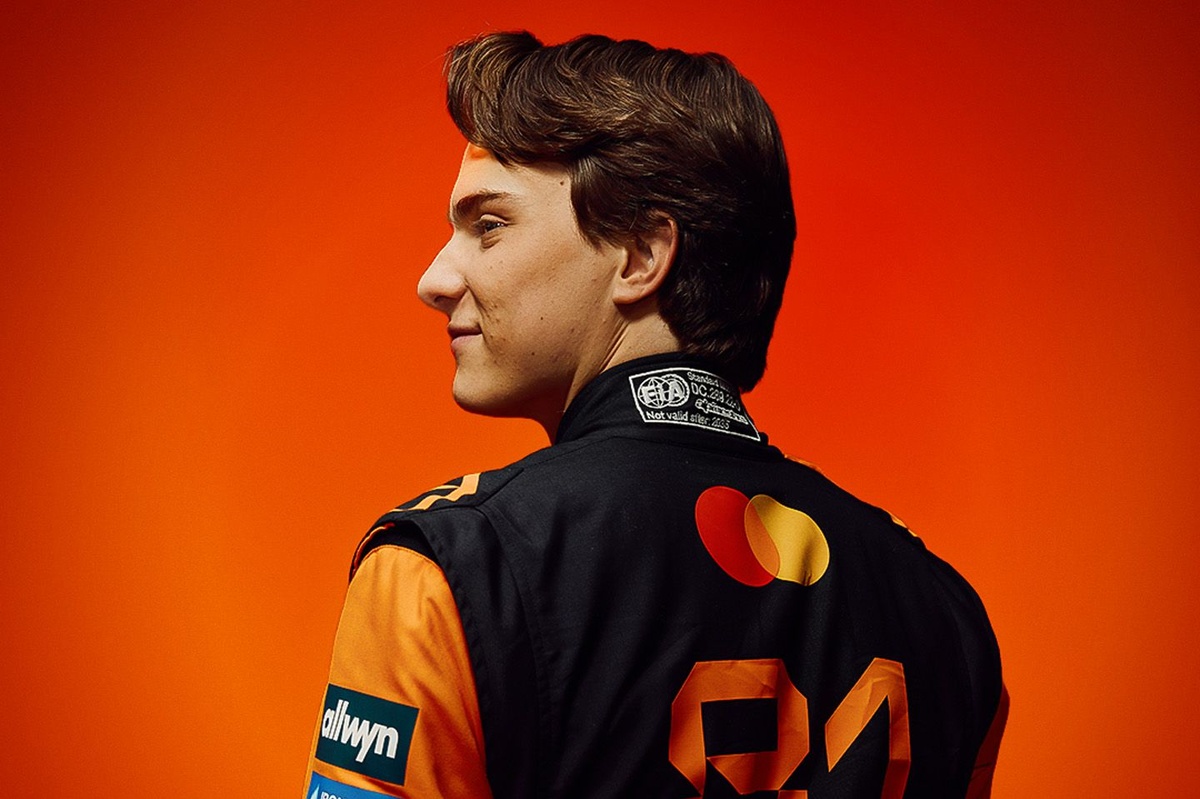
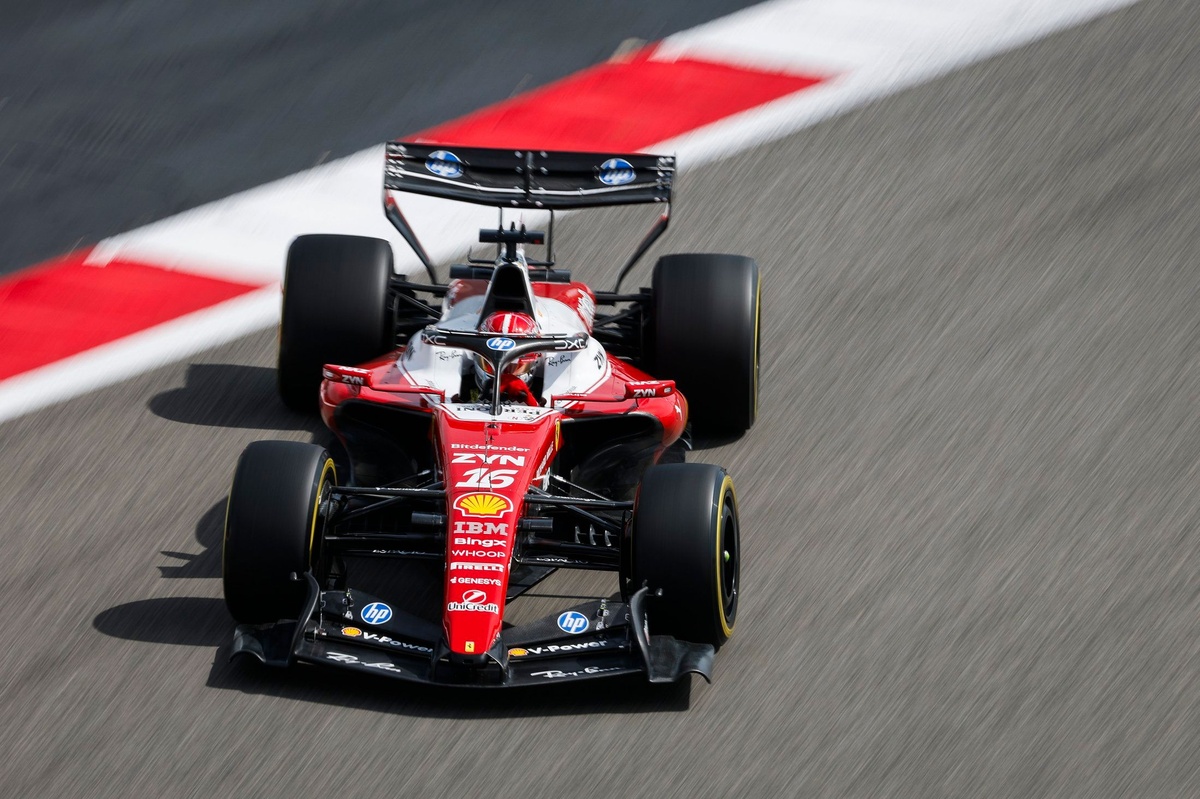

The 2026 Formula 1 season looms large, promising a seismic shift in car design and driving dynamics. While some drivers, notably Max Verstappen, have voiced strong criticism, labeling the new machines "anti-racing," Ferrari star Charles Leclerc offers a more nuanced perspective, acknowledging a different kind of "fun" despite conceding they aren't the most enjoyable to drive.
Key Takeaways from Leclerc on F1's 2026 Cars
- Charles Leclerc admits the 2026 F1 cars sacrifice some pure driving pleasure but offer a compelling intellectual challenge.
- He embraces the technical puzzle of developing new energy management systems, calling it "very interesting."
- The lighter, more agile chassis appeals to Leclerc's preference for an "oversteery" car.
- Energy management, "lift-and-coast," and downshifting will dominate driving strategy.
A New Era: Driving Beyond Instinct
The shift to 2026 F1 regulations brings sweeping changes to both chassis and engine, forcing drivers to adapt dramatically. Gone are some of the raw, aggressive driving instincts, replaced by a sophisticated dance of energy management. Leclerc readily acknowledges, "It’s not the most fun I’ve had driving a car, but it’s the way it is. And I find the fun in a different way." This "different way" stems from the intricate challenge of developing and optimizing these entirely new systems.
The new rules mandate "lift-and-coast" techniques and precise downshifting to harvest and save energy, demanding a significantly increased mental workload from behind the wheel. Leclerc highlights this, stating, "Now it’s more about thinking about everything else that you’ve got to think of when you are in the car to maximise all the systems around you." This intellectual engagement, he suggests, is where the new enjoyment lies.
Lighter, Nimbler, More Reactive
Despite the energy management complexities, Leclerc finds genuine pleasure in specific aspects of the new car's physical dynamics. He particularly enjoys the reduced weight, which makes the cars feel more "alive" and allows for greater manipulation of the balance. "The car is a little bit more alive, and the balance, you can play with the car a lot more and you can have a very snappy rear," he explains.
For a driver like Leclerc, who prefers an "oversteery" setup, this newfound agility is a welcome change. He believes the lighter machines allow drivers to push the limits of an unstable rear end further than before, offering a different kind of thrill compared to the heavy, high-downforce monsters of yesteryear.
The Overtaking Enigma and Race Start Chaos
While the technical challenge excites Leclerc, he echoes concerns about the impact on racing spectacle, particularly regarding overtaking. The new Overtake Mode, replacing the familiar DRS, comes at a significant energy cost, making aggressive moves far more penalizing. "I find it, at the moment, extremely difficult to get any overtakes," Leclerc admits, suggesting it will be harder to pull away after a successful pass.
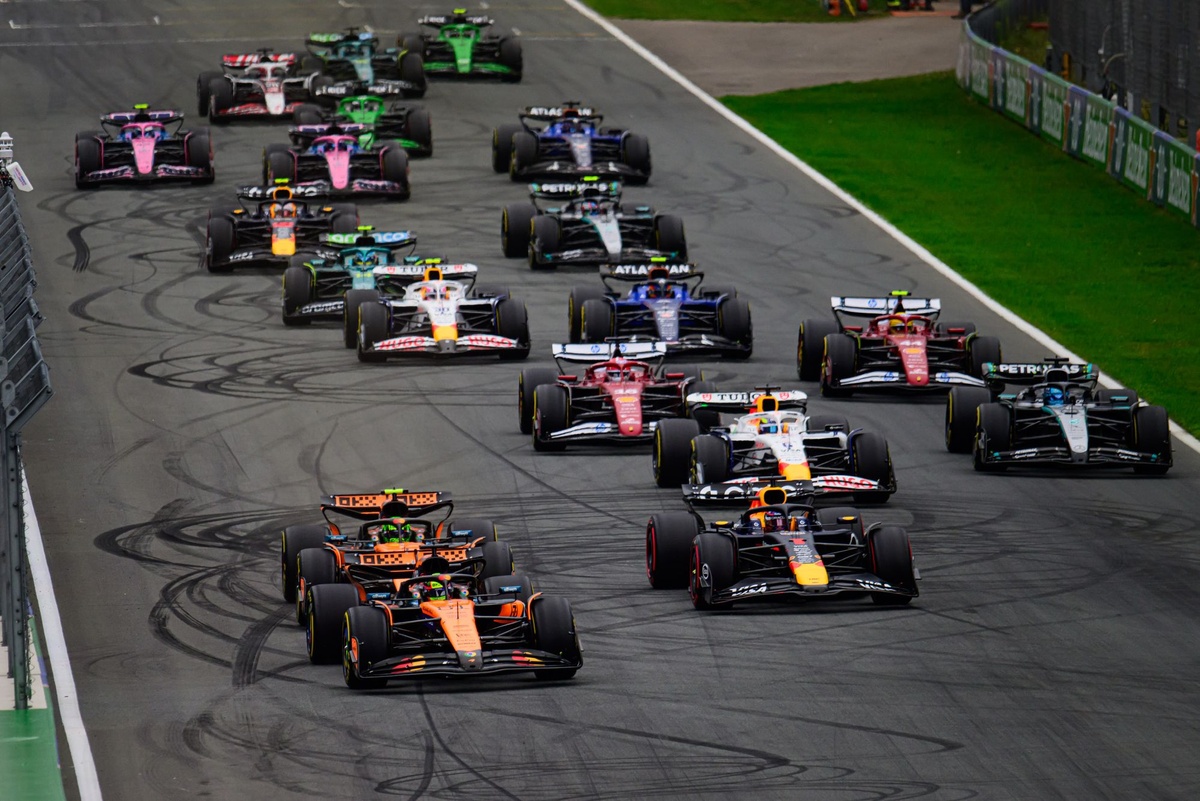
Adding to the potential drama are the race starts. The removal of the MGU-H from the new power units makes finding the optimal launch window significantly trickier. Leclerc openly anticipates "some chaos," especially in the season's opening races. He points out the unpredictability of being "in your enemy's hands" during the initial scramble, hinting at surprising outcomes and critical moments that will test every driver's adaptability. The 2026 F1 season promises a chess match at 300 km/h, where strategy and system mastery might just eclipse raw driving attack.