
Forget everything you thought you knew about pickleball's humble, accessible origins. In the exclusive enclaves of Metro Manila, this rapidly rising sport has been transformed into an undeniable symbol of wealth and privilege, with the Manila Golf & Country Club leading the charge.
Key Points: The Elite Pickleball Phenomenon
- Access to Manila Golf & Country Club requires a staggering ₱160 million share.
- Members pay ₱1,000 per hour to play pickleball in air-conditioned courts.
- Globally celebrated for accessibility, pickleball in Manila epitomizes exclusivity.
- The sport has become a clear indicator of social status within the city's elite.
Beyond the Green: Pickleball's Billion-Peso Barrier
Entry into the world of elite pickleball begins not with a paddle, but with an astronomical price tag. At the prestigious Manila Golf & Country Club, a single share currently hovers around ₱160 million. This isn't just a membership; it's an investment that immediately screens out all but the wealthiest.
The Price of Play: Unpacking Manila Golf's Courts
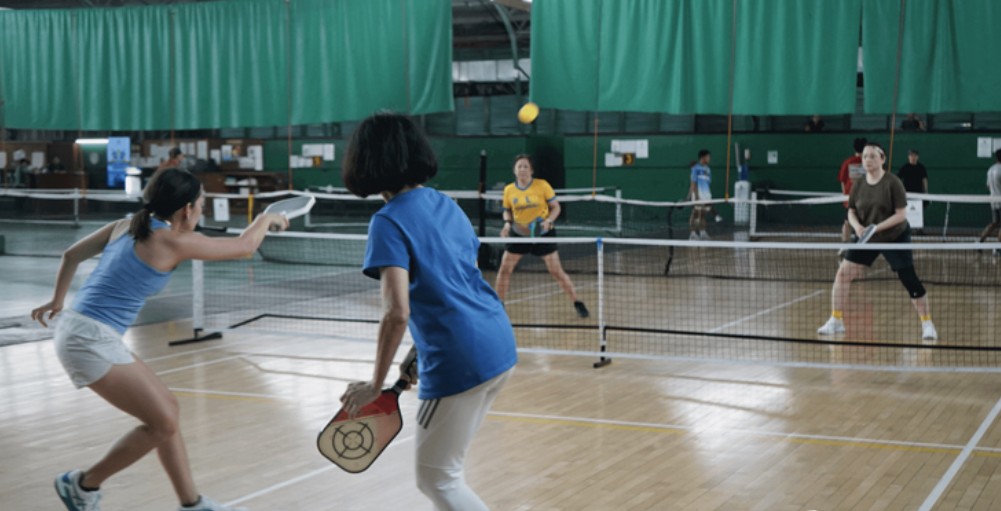
Once inside the hallowed grounds, the exclusivity continues. Members fork over ₱1,000 per hour for the luxury of playing pickleball in air-conditioned comfort. Prefer to save a bit? Non-AC courts are ₱700 an hour. Guests? Add another ₱300 per head. There are no casual drop-ins, no half-hour deals – just premium pricing for a premium experience. It's a stark contrast to the sport's global image of affordability.
From Accessible to Exclusive: A Global Game, Local Luxury
Worldwide, pickleball's explosive growth is attributed to its low impact, ease of learning, and inherently social nature. It's a sport for everyone. However, in Manila’s most affluent circles, this narrative is completely rewritten. Here, the game isn't about public courts or community spirit; it's about secured gates, stringent reservation queues, and the sheer privilege of access. These facilities, often converted from existing badminton halls, are hidden behind layers of exclusivity.
Alabang's Elite Courts: High Demand, Higher Stakes
Manila Golf isn't an isolated case. The Alabang Country Club mirrors this trend, featuring multipurpose courts that cater to pickleball alongside padel, badminton, and basketball. Demand is consistently high, with members reportedly facing significant wait times to secure a slot. When one has already invested millions for club access, another ₱1,000 an hour for court time feels almost negligible.
More Than a Game: Pickleball as a Social Indicator
In Metro Manila, pickleball has transcended its sporting roots. It has evolved into a powerful marker of social standing. To secure a court at Manila Golf isn't merely to enjoy a game; it's to publicly declare one's position within a select strata of society. The very act of playing signals not just leisure or fitness, but undisputed membership in a world where the setting’s prestige often overshadows the game itself.
Ultimately, while pickleball began as the sport of the people, in Manila's wealthiest circles, it has been expertly repackaged. It is now a prized pastime for the privileged, where the true cost lies less in the paddle and ball, and more in the undeniable price of belonging.