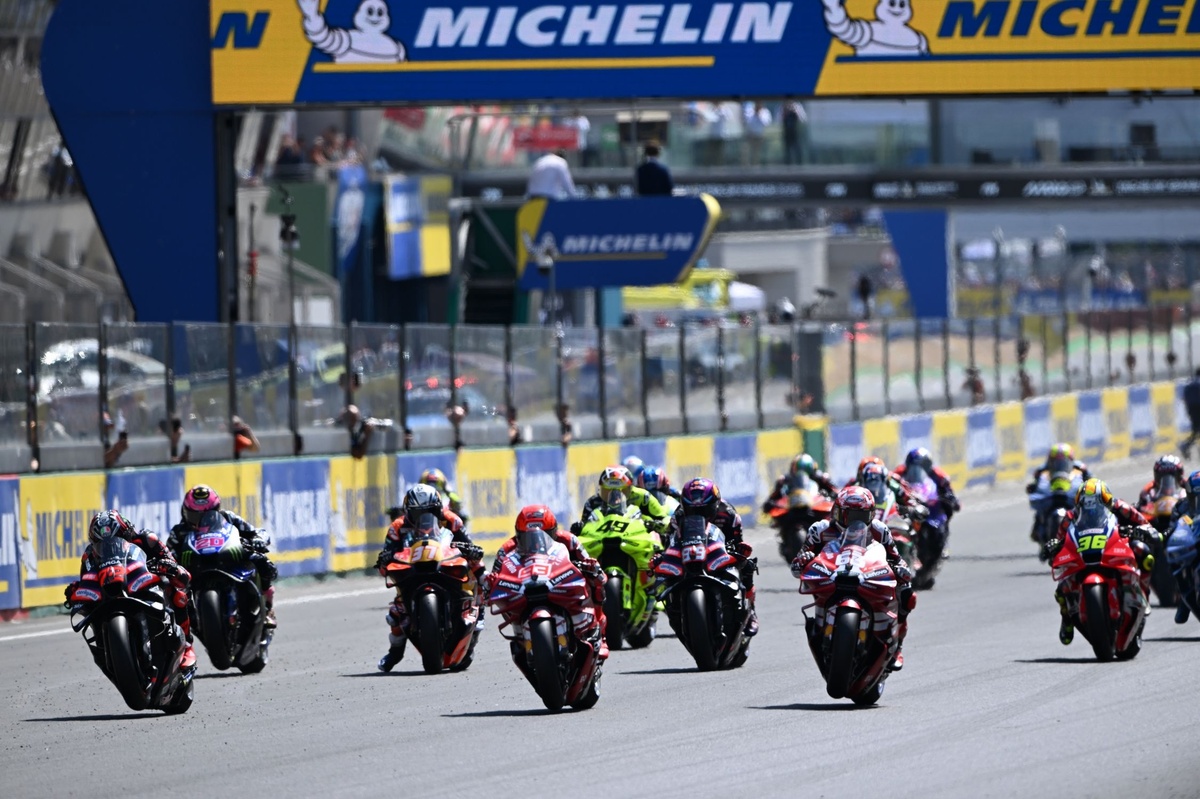

The future direction of MotoGP is under fresh scrutiny after Marc Marquez offered a striking view on the sport’s upcoming 2027 regulation overhaul, suggesting that slower top speeds may not translate into slower racing overall.
The new rules, widely regarded as the biggest technical reset in modern MotoGP history, will introduce smaller 850cc engines to replace the current 1000cc machines. Alongside the engine reduction, the championship will scale back aerodynamic development, ban ride height devices entirely, and introduce a single tyre supplier in Pirelli. The objective is clear. Officials want to reduce costs, improve safety, and limit the ever increasing top speeds seen in recent seasons.
From a safety standpoint, the changes are widely supported. Current bikes are approaching extreme velocities of nearly 360 km/h at certain circuits, stretching track limits and increasing risks. Marquez himself agrees that such speeds are unnecessary and difficult to manage from both a sporting and safety perspective.
However, the eight time world champion believes the story will not be as simple as slower bikes producing slower races. He predicts that while outright top speeds will drop, lap times could remain largely unchanged or even improve. With less power and reduced aerodynamic drag, bikes are expected to become lighter and more agile. This could allow riders to brake later, carry more corner speed, and accelerate more efficiently through technical sections.

Source: MotoGP
That balance between reduced straight line speed and improved cornering performance could redefine how races are won. Instead of relying heavily on raw power, riders may need to focus more on precision, racecraft, and consistency across a full lap.
Despite early simulations and manufacturer testing, much of the 2027 landscape remains uncertain. Teams and engineers are still in the early stages of development, and no clear competitive order has emerged. Unlike other motorsport categories where regulation changes have drawn criticism, the MotoGP paddock appears cautiously optimistic, viewing the reset as an opportunity rather than a setback.
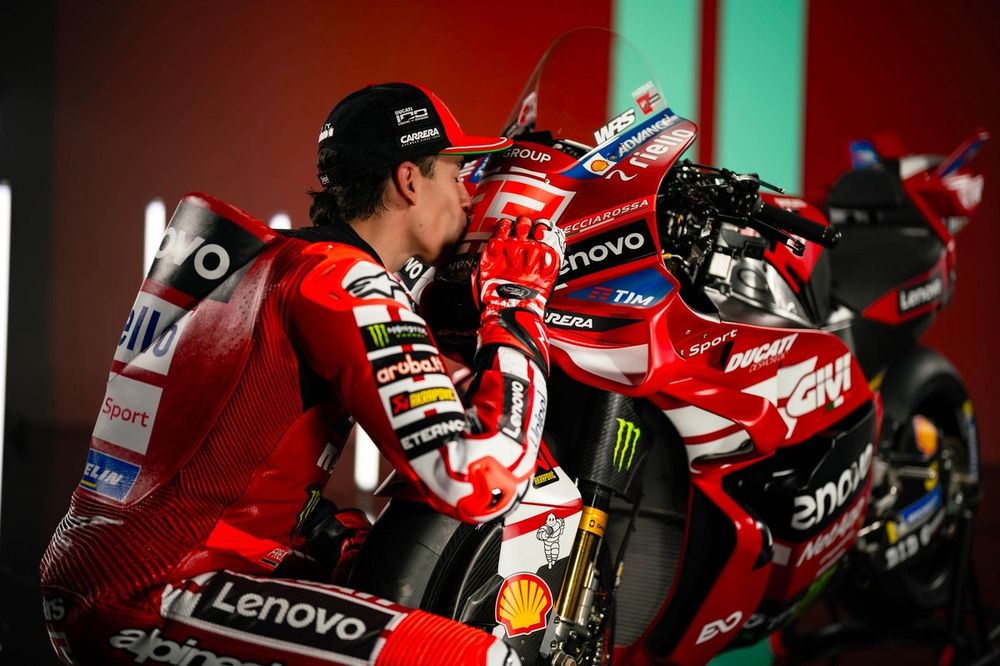
Now racing with Ducati Lenovo Team, Marquez expects a period of rapid adaptation once the new rules take effect. For riders and teams alike, success will depend on how quickly they can understand and maximise the new package.
As MotoGP prepares for this transition, the 2027 season is shaping up to be more than just a rule change. It represents a shift in philosophy, where agility and efficiency could become just as important as outright speed.