
Max Verstappen isn't just winning races; he's now leading a full-frontal assault on the very future of Formula 1. The proposed 2026 regulations are drawing fierce criticism from the reigning champion, who warns the sport risks becoming 'anti-racing' if drastic changes aren't made.
Key Points:
- Max Verstappen fiercely criticizes F1 2026 regulations, labeling them "anti-racing" and "Formula E on steroids."
- New rules emphasize electric power and battery management, forcing "unnatural" driving techniques.
- Other drivers like Lando Norris and Esteban Ocon echo concerns about dangerous and "painful" car characteristics.
- Verstappen urges FIA and F1 to take immediate action, hinting at a potential exit from the sport if no resolution is found.
The 'Anti-Racing' Rant: Why F1's Future is Under Fire
The discontent isn't just simmering; it's boiling over. The upcoming 2026 Formula 1 regulations represent a seismic shift, introducing significant changes to both chassis and power units. A greater reliance on electric power is at the heart of the controversy, demanding intricate battery management that Max Verstappen describes as forcing "unnatural" driving techniques.
During pre-season, the Red Bull star famously branded the new era as "anti-racing" and akin to "Formula E on steroids." This isn't just one driver's opinion; it's a sentiment echoed across the paddock. The prospect of drivers having to downshift on straights to manage energy deeply concerns those who value pure, unadulterated racing.
A Chorus of Concern: Drivers Unite Against the New Era
Verstappen isn't isolated in his critique. McLaren's Lando Norris has voiced fears that the new rules could lead to chaotic and dangerous racing, referencing the Australian Grand Prix as a potential glimpse into a problematic future. Meanwhile, Esteban Ocon has gone on record calling the 2026 cars "painful" to drive, underscoring the physical and technical challenges drivers anticipate.
These collective warnings paint a stark picture: a fundamental disconnect between the sport's governing bodies and its key protagonists. The drivers believe the essence of Formula 1 is at stake, and they're not holding back in their demands for a course correction.
Verstappen's Ultimatum: Listen or Risk Losing a Champion
"I love racing, but you can only take so much," declared Verstappen, a chilling statement from a four-time world champion. His message to the FIA and Formula 1 leadership is clear: mere listening isn't enough; concrete action is required. This isn't "little tweaks" they're asking for, but fundamental revisions.
His long-term commitment to F1 beyond his 2028 contract has openly been tied to these regulations. While acknowledging the massive investment already made, Verstappen maintains that the collective outcry from drivers and fans alike should compel the sport to prioritize the spectacle and driving experience. He hopes for solutions, potentially even during the current year, to make racing "more enjoyable for everyone."
Red Bull's Resilience Amidst the Storm
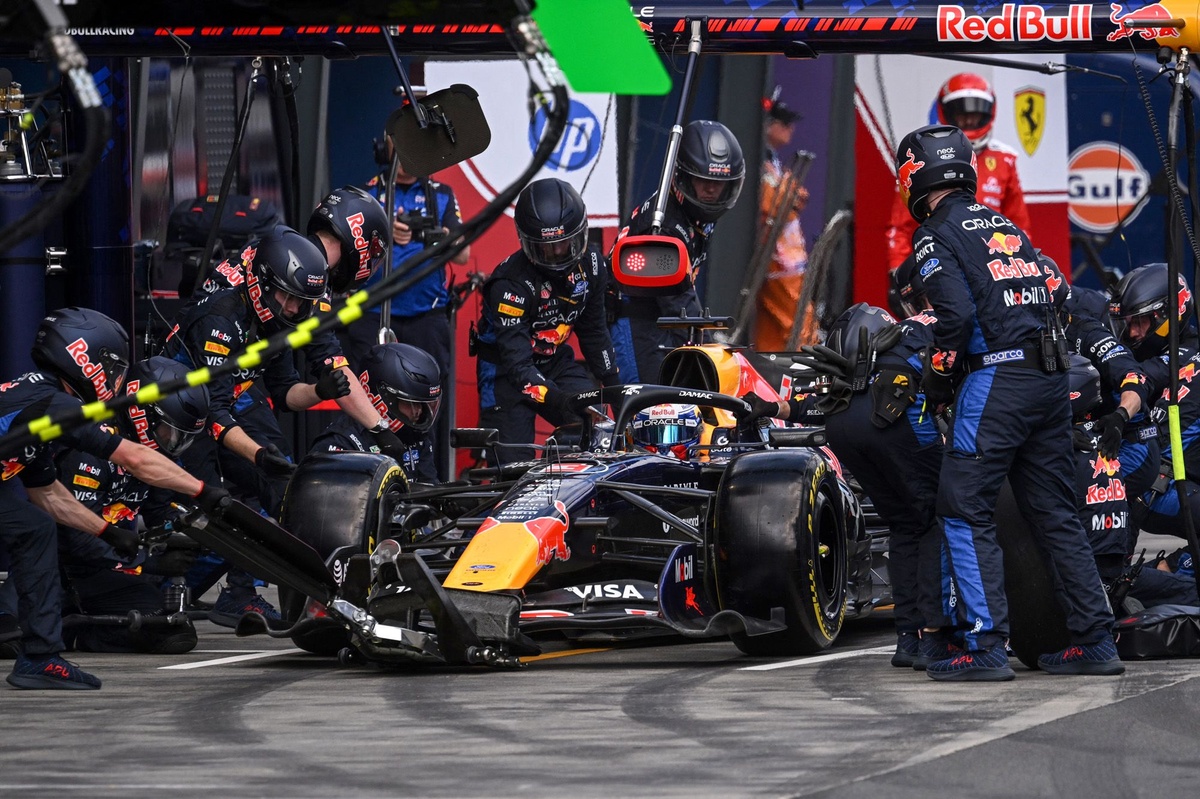
Despite his vocal concerns about the 2026 regulations, Verstappen remains immensely proud of his Red Bull team's current performance. In the Australian Grand Prix, he delivered a stellar drive from 20th to sixth place, showcasing the raw pace and development of Red Bull's new in-house power unit.
This impressive showing, battling head-to-head with top teams like McLaren, Mercedes, and Ferrari, highlights Red Bull's significant progress on the engine side. "We have potential in the car, for sure," Verstappen noted. He acknowledges that while improvements are still needed on both car and engine fronts, the team's competitiveness provides a silver lining, even as the regulatory storm clouds gather on the horizon.