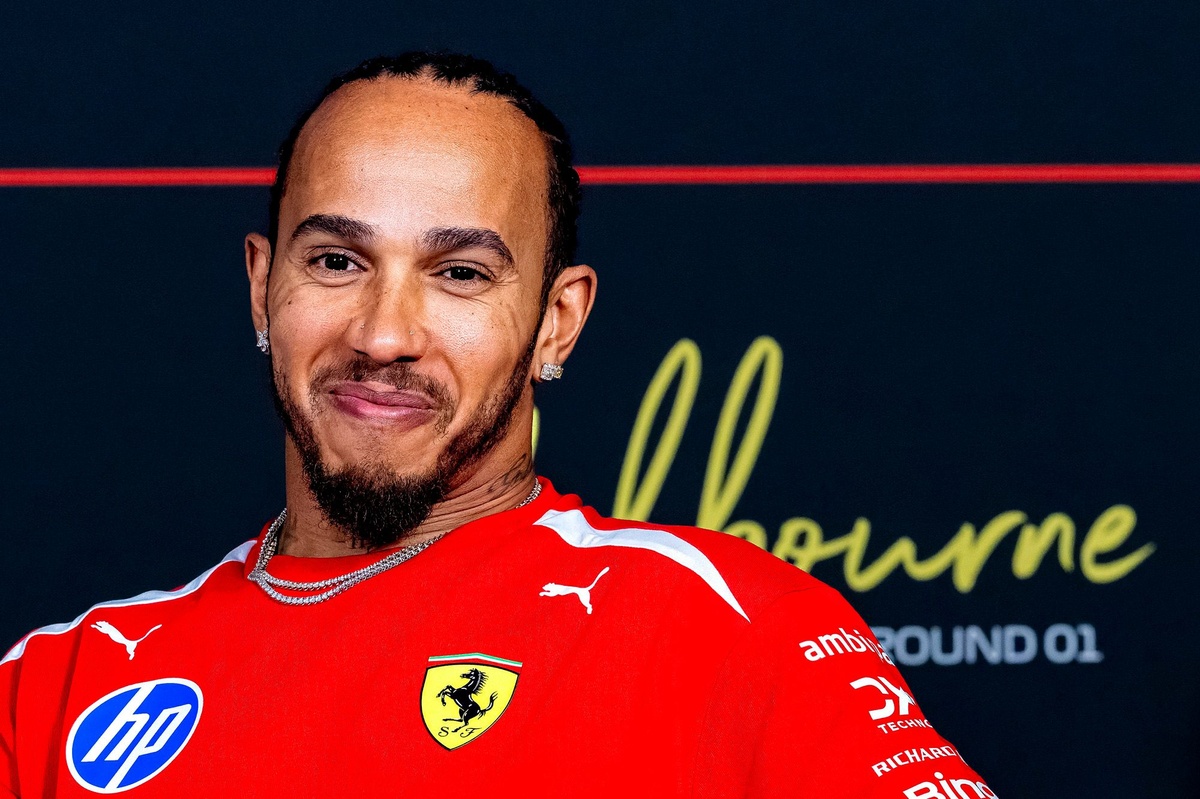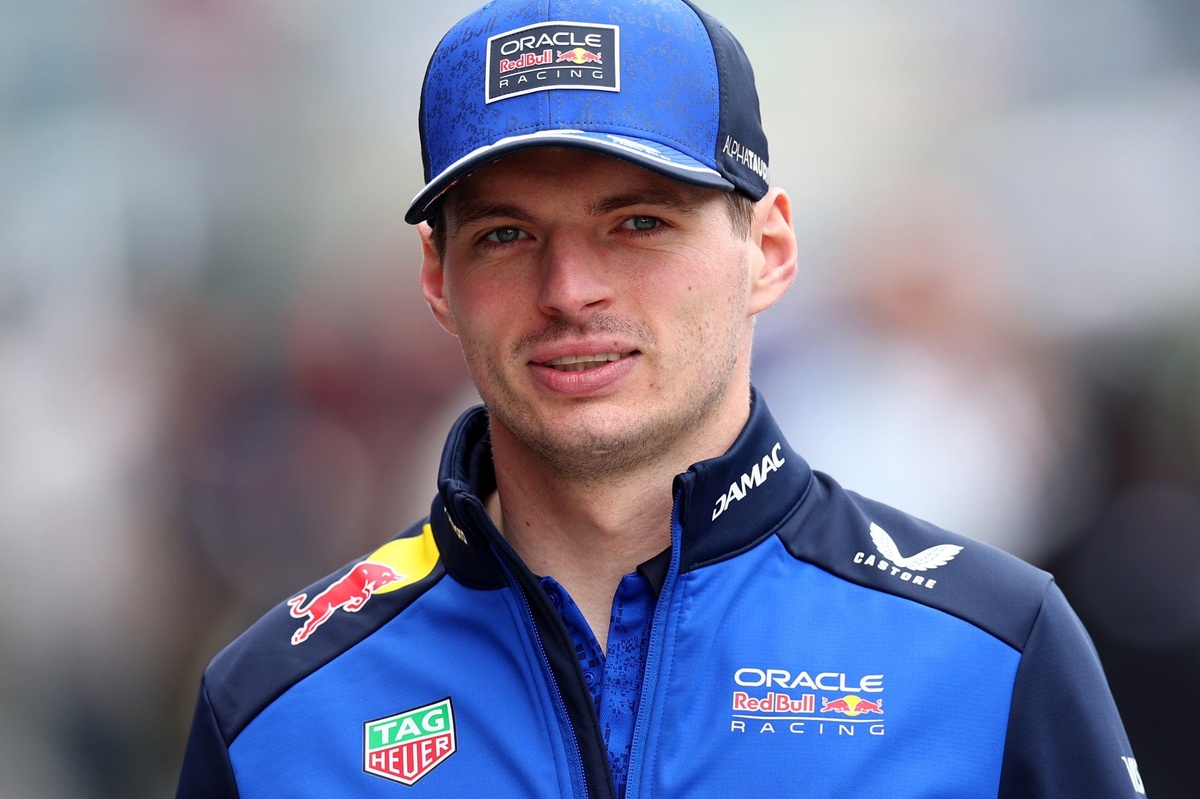
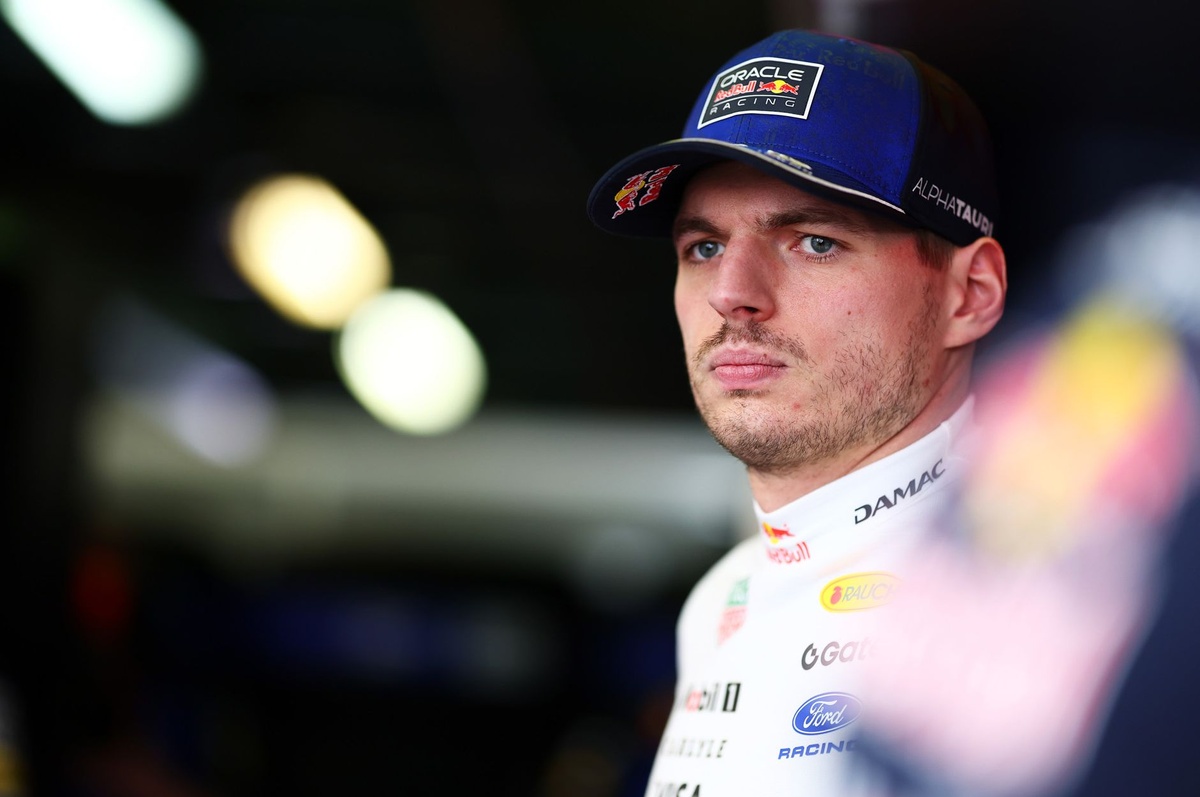

The reigning champion, Max Verstappen, has once again ignited the debate about Formula 1's future, delivering a stinging critique of the upcoming 2026 F1 rules and even questioning the intelligence of fans who might enjoy the new era of racing. His unfiltered comments post-Chinese Grand Prix have sent shockwaves, forcing us to ask a crucial question: is the champion out of touch with the very audience that fuels the sport?
KEY POINTS
- Max Verstappen labels F1 2026 racing as "terrible" and "artificial."
- He controversially asserts that fans who enjoy it "don't understand racing."
- The debate highlights the tension between pure sporting integrity and global entertainment.
- We explore whether the audience is truly "wrong" for finding enjoyment in evolving motorsport.
The Champion's Unfiltered Verdict on F1 2026
Max Verstappen, fresh off a rare retirement at the Chinese Grand Prix due to an ERS cooling issue, wasted no time in unleashing his thoughts on the impending F1 2026 regulations. While composed, his message was stark and unequivocal. He’s never been one to shy away from criticism, especially concerning rule changes he believes detract from genuine racing.
"It's terrible," Verstappen declared when asked about the "less artificial" racing seen in Shanghai compared to Melbourne. "If someone likes this, then you really don't know what racing is about." This wasn't merely a post-race gripe; it was a fundamental challenge to the sport's direction.
The Red Bull Racing star believes he speaks for most drivers, acknowledging that those currently winning, like Kimi Antonelli or George Russell, might feel differently. Yet, he emphatically stated, "I don't think it's what the real F1 fans like." He even doubled down, suggesting that "some fans" who enjoy it "don't understand racing."
A Champion's Credibility: Max's Consistent Stance
It’s crucial to recognize that Verstappen isn't a newcomer to these critiques. He’s consistently voiced concerns about the sport's direction for years. Unlike some rivals, his stance remains unwavering, lending significant weight to his opinions. This consistency solidifies his position as a vocal advocate for F1's sporting essence.
Max stands out in the paddock for his directness. He engages with the press without PR shields, staying until every question is answered. This genuine, unvarnished approach to media engagements earns him respect and validates his right to speak openly on behalf of the drivers.
F1: More Than a Sport, It's Global Entertainment
However, Verstappen's categorical dismissal of fans who enjoy the current or future product overlooks a critical reality: Formula 1 isn't just a sport; it's a colossal global entertainment enterprise. Like the Olympics or the FIFA World Cup, F1 thrives on its mass audience.
This isn't a recent shift; F1 has been a spectacle for decades, constantly adapting to engage millions worldwide. The commercial success allows drivers to pursue their dreams, flying private jets and competing at the highest level. The audience, casual or devoted, are the clients.
Understanding vs. Enjoying: The Fan Experience
To tell a casual viewer, who may not grasp complex ERS cooling issues or nuanced aero dynamics, that they "don't understand racing" because they find enjoyment in an exciting overtake, is a contentious stance. Many World Cup viewers don't know the offside rule, but their enjoyment is valid.
The nature of "overtaking" itself evolves. Is a DRS-assisted pass less "real" than a daring move under braking from previous eras? Motorsport has always adapted, from tire strategies to engine formulas. The core remains: driver and machine competing to be fastest. The "how" changes.
Striking the Balance: Driver Purity vs. Fan Engagement
The ideal Formula 1 would satisfy both drivers' desire for pure, unadulterated racing and deliver captivating action for a diverse global audience. Achieving this delicate balance is incredibly challenging.
Ultimately, the fans drive the sport's success. Their engagement, their viewership, and their passion are the bedrock. While Verstappen's devotion to racing purity is admirable, making the audience feel "wrong" for enjoying the spectacle risks alienating the very people who make F1 a global powerhouse.
The question persists: Is Formula 1 for the drivers to solely enjoy, or for the millions who tune in, regardless of their technical understanding? The answer likely lies in a harmonious blend, but the audience's experience must always come first.
.jpg)