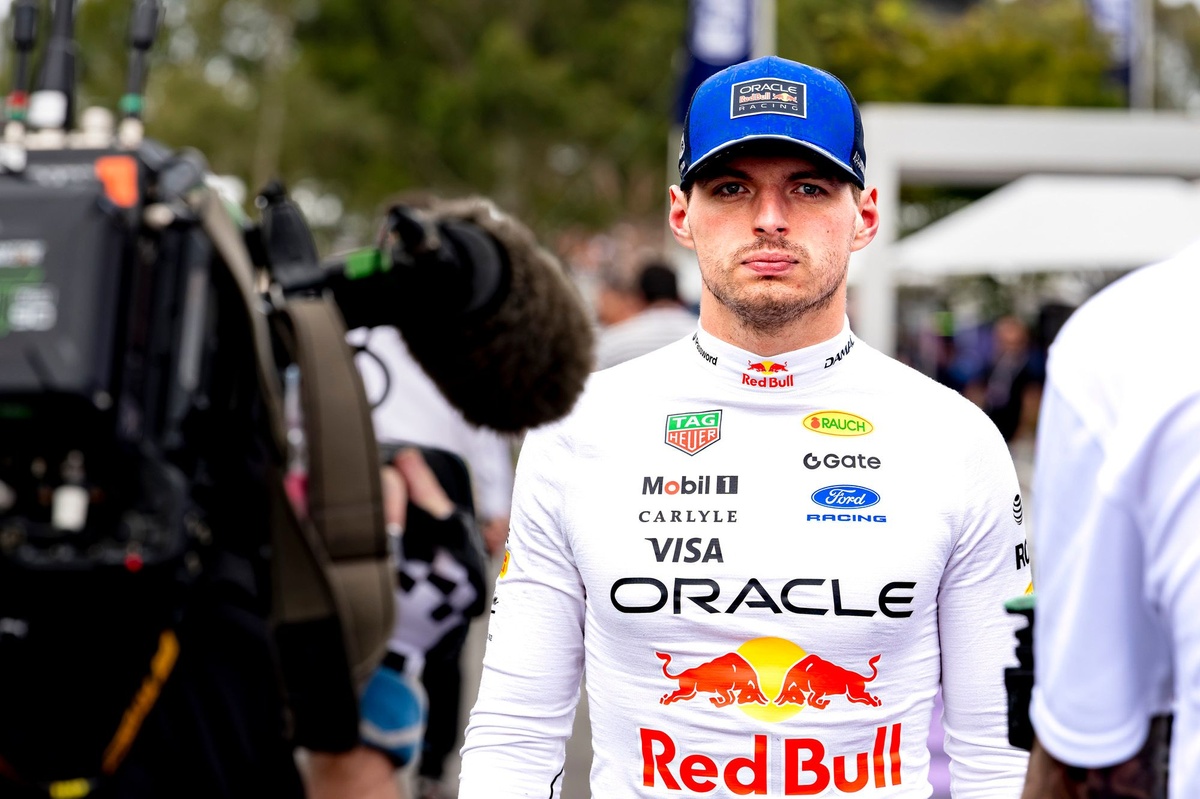

The future of Formula 1 is sparking fierce debate, and its most dominant star, Max Verstappen, isn't shy about his concerns regarding the radical 2026 regulations. With his outspoken criticism fueling speculation, the crucial question remains: Is this impacting his relentless drive for victory at Red Bull Racing? According to senior voices within the team, absolutely not.
Key Insights from Red Bull's Stance:
- Max Verstappen has voiced strong disapproval of the 2026 F1 regulations, famously dubbing the cars "Formula E on steroids."
- Despite this, Red Bull's leadership confirms Verstappen's motivation and commitment to current performance remain sky-high.
- The three-time world champion is adept at compartmentalizing his personal views from his rigorous engineering feedback.
- The sport's governing bodies are actively monitoring 2026 rule performance and are open to adjustments if necessary.
Verstappen's Blistering Critique of F1's Future
Max Verstappen has emerged as the most prominent detractor of Formula 1's upcoming 2026 regulations. These rules promise a dramatic shift, leaning heavily into electric power and introducing sophisticated active aerodynamic components on both the front and rear wings. His infamous remark, comparing the proposed machines to "Formula E on steroids," succinctly captured his dismay.
The Dutch sensation elaborated on his concerns following the Australian Grand Prix, describing a feeling of being "completely empty" when pushing the 2026 car concepts to their limit in simulated qualifying runs. He hasn't stopped there, calling for the FIA to intervene, highlighting what he believes are widespread concerns among drivers and fans alike about the future racing spectacle. This vocal stance has inevitably intensified whispers about his potential departure from F1 once his Red Bull contract concludes at the end of the 2028 season.
Red Bull Leadership: Commitment Undimmed by 2026 Worries
Despite the swirling rumors and Verstappen's pointed remarks, a senior figure within the Red Bull F1 organization, Laurent Mekies, has emphatically stated that the reigning champion's dedication remains unwavering. "When he's with us... there is absolutely no difference compared to last year in terms of how hard he's pushing on every single detail," Mekies clarified, underlining Verstappen's consistent work ethic behind the scenes.
Mekies further emphasized Verstappen's professionalism, noting his ability to "put his personal preferences on the side" during team debriefs. This suggests that while Verstappen has strong opinions on the 2026 rules, these do not detract from his singular focus on extracting every ounce of performance from the current Red Bull Racing machinery. His commitment to chasing collective success, Mekies implies, is paramount.
Navigating the 2026 Horizon: Flexibility and Evolution
The radical 2026 power units are designed with an equal split between internal combustion and electrical power, fundamentally altering energy management and racing dynamics. Early simulations, particularly on tracks like Albert Park with fewer heavy braking zones, showed cars struggling with speed loss despite full throttle application—a worrying sign for race purists.
While Verstappen's criticisms are potent, Mekies suggests it's crucial to evaluate the new cars across a broader range of circuits before final judgment. The sport, including the FIA and various teams, remains in dialogue, open to making necessary adjustments. As Mekies put it, if improvements are needed, "as a sport we will find a way to make them." The message is clear: Formula 1 is listening, and the ultimate goal remains thrilling, competitive racing for years to come.