
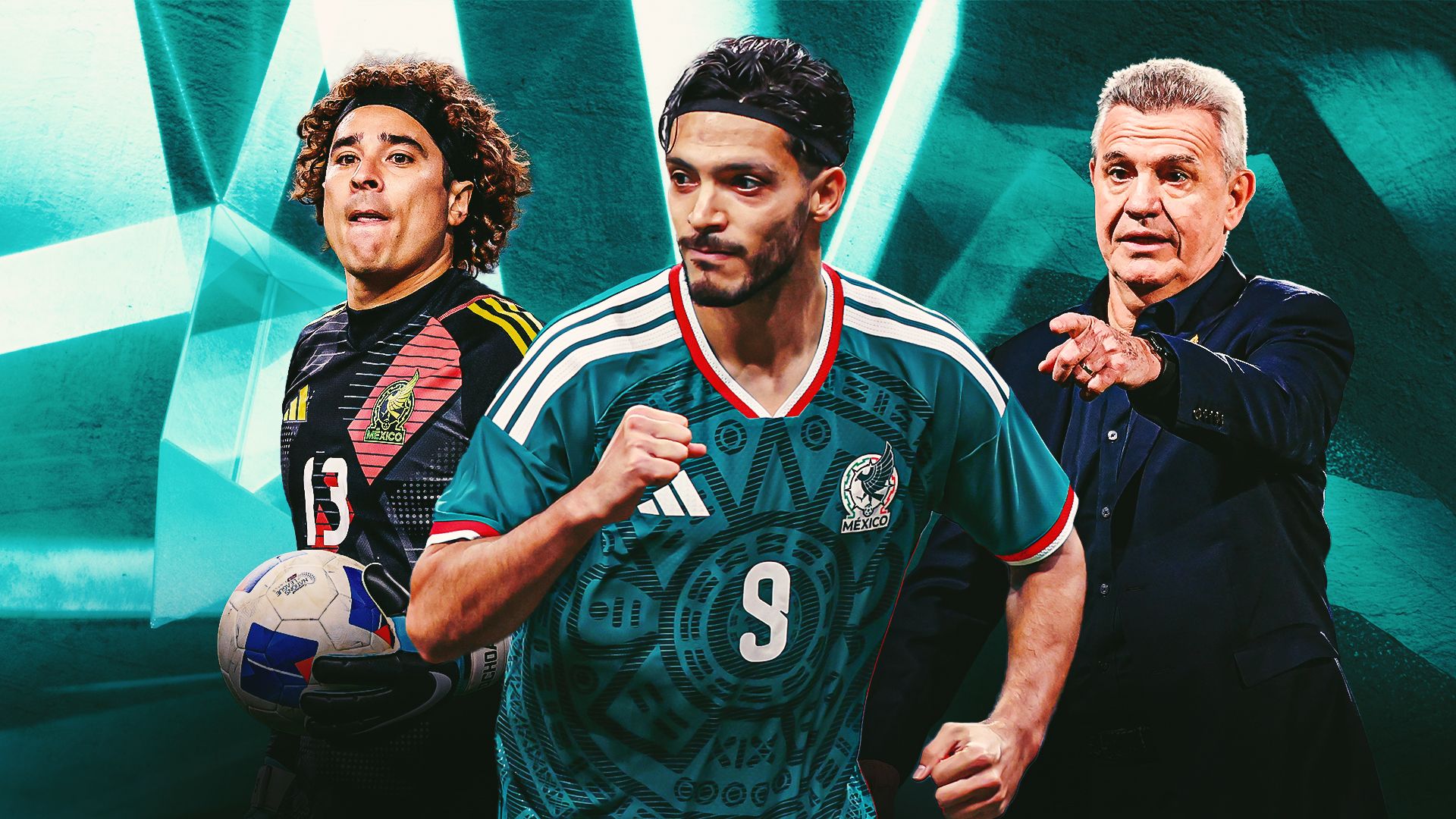

El Tri's Enduring Challenge: The World Cup Hex
The Mexican national team finds itself at a familiar crossroads, grappling with immense expectations and a brutal injury crisis just as crucial tests against European giants loom. It's a high-stakes moment for El Tri and manager Javier Aguirre.
Key Takeaways:
- Javier Aguirre's return brought regional success in the Nations League and Gold Cup, but the team's global standing remains uncertain.
- A severe injury crisis has decimated Mexico's midfield and goalkeeping positions, forcing radical squad changes.
- Aguirre is banking on a blend of experienced veterans like Raúl Jiménez and Guillermo Ochoa, alongside unproven youth and dual-nationals.
- Upcoming friendlies against Portugal and Belgium are critical litmus tests for El Tri's 2026 World Cup ambitions.
Mexican football is a paradox. A nation utterly consumed by the beautiful game, boasting passionate fans and thriving domestic leagues, yet consistently stumbling on the global stage. Since 1986, El Tri has been haunted by the "curse of El Quinto Partido" – the fifth game – routinely exiting the World Cup in the Round of 16. A knockout win on the biggest stage has eluded them for nearly four decades. This constant underachievement, despite often being CONCACAF's dominant force, fuels an insatiable desire for change.
Aguirre's Return: Steadying the Ship
Amidst this backdrop, Javier Aguirre was brought back. His previous tenure in 2009 was defined by his disciplinarian approach, settling a turbulent period. Now, older and seemingly wiser, Aguirre returned to widespread fan approval. His mandate: bring stability and prepare Mexico for the 2026 World Cup. His predecessor, Jaime Lozano, had attempted a youth movement with mixed results, paving the way for Aguirre's more pragmatic, experienced hand.
CONCACAF Kings: Regional Triumphs vs. Global Aspirations
Initially, Aguirre's return delivered results. Mexico clinched the Nations League with relative ease, dispatching Canada and Panama. They then navigated the Gold Cup campaign, culminating in an immensely satisfying victory over the USMNT in the final. These regional successes were crucial for rebuilding confidence and reconnecting with the fanbase.
Gold Cup Glory: A Foundation or a Façade?
The Gold Cup victory, though not always pretty, showcased Mexico's resilience. With the USMNT fielding a younger squad and Canada missing key players, El Tri went full strength, proving tough to beat. Teenage sensation Gilberto Mora impressed, while Raúl Jiménez demonstrated he still has plenty to offer. Aguirre himself highlighted the "champions" status, the renewed connection with fans, and the validation of their training methods. However, the true measure of a team like Mexico lies beyond regional dominance.
Crisis Deepens: A Midfield Mass Exodus
Just as Mexico aimed to build on their regional success, a devastating injury crisis struck. The midfield trio that anchored their Gold Cup run – Gilberto Mora, Edson Álvarez, and Marcel Ruiz – are all sidelined. Mora is recovering from a serious groin issue, Álvarez underwent ankle surgery, and Ruiz will miss the upcoming tournament entirely after tearing his ACL. The prospect of facing a World Cup with a depleted or unsharp midfield is a nightmare scenario.
Goalkeeping Woes and Attacking Concerns
The issues don't stop there. First-choice goalkeeper Luis Malagón ruptured his Achilles, leaving El Tri with significant questions at four key positions. Upfront, the situation is equally concerning. Raúl Jiménez has struggled for form at Fulham, while Santi Giménez is unavailable despite a recent return to action. German Berterame, tipped as a dynamic threat, has been ineffective in MLS. Adding to the headache, winger Diego Lainez has been omitted from the squad amidst reports of a fallout with the manager.
Aguirre's Bold Gambit: Youth and Dual-Nationals
Faced with a ravaged squad, Aguirre has been forced into unconventional decisions. He has embraced youth, calling up five players under the age of 23, despite past warnings about the risks of inexperience. More notably, he has broken convention by including a significant contingent of foreign-born players – a move that often sparks debate in Mexico.
New Blood, New Hopes?
Key additions include Alvaro Fidalgo, who impressed for Real Betis and completed his one-time switch in February, and Obed Vargas, developed at Seattle Sounders, both offering crucial midfield depth. This shift, combining experienced veterans with fresh, diverse talent, represents a calculated risk born out of necessity. Aguirre is clearly prioritizing talent and immediate impact, regardless of origin, to fill the gaping holes in his squad.
The Ultimate Test: European Giants Await
All eyes now turn to the upcoming friendlies against Portugal and Belgium. While "friendlies" often lack the intensity of competitive fixtures, these matches are far from trivial. This is Mexico's first true test against elite European opposition since the 2022 World Cup, a period marked by regional victories but also a sobering 4-0 thrashing by Colombia six months prior. Aguirre publicly acknowledged the need for players "up to the task" after that defeat.
There's no buffer this time. This is the final international window before the World Cup, and the stakes couldn't be higher. Even with a heavily changed, injury-hit squad, Aguirre's El Tri must perform. These games will offer a crucial glimpse into whether Mexico can finally overcome its historical limitations and deliver on its immense potential. The future of Mexican football hangs in the balance.


