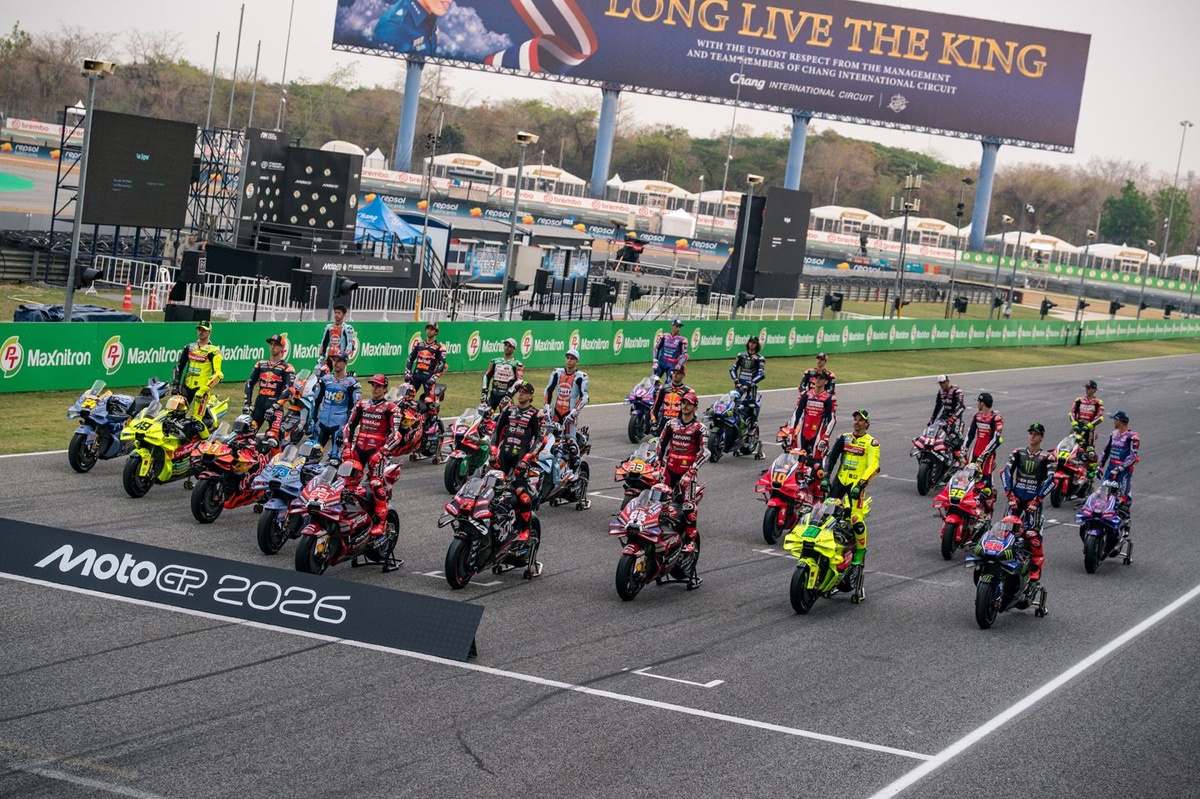

It’s no secret that Liberty Media, the force behind Formula 1’s global phenomenon, is now bringing its ambitious vision to MotoGP. Their latest proposition? An F1-style system of permanent reserve riders, a bold move aimed at bolstering rider safety and ensuring competitive grids. This isn't just a minor tweak; it’s a fundamental shift in how teams might operate.
Key Takeaways
- Liberty Media seeks to introduce F1-inspired permanent reserve riders across MotoGP teams.
- The initiative aims to address the growing number of rider injuries caused by an expanded calendar and intense sprint race format.
- Ducati Team Manager Davide Tardozzi expresses concerns regarding the financial implications and the depth of the talent pool.
- Injured rider Alex Rins highlights the significant mental challenges a reserve role could pose for athletes.
The Rationale: Why MotoGP Needs a Deeper Bench
The demanding MotoGP calendar, coupled with the high-intensity sprint races introduced on Saturdays, has undeniably escalated the risk of injury. We've seen top riders like Marc Marquez and Jorge Martin face prolonged absences, leaving teams scrambling for replacements who are often not up to the intense competitive standard of the premier class. This not only impacts championship battles but also the overall spectacle.
Injury Crisis and Sprint Race Impact
The current system often leaves teams vulnerable. When a main rider is sidelined, the replacements are frequently test riders or those from other series, lacking crucial track time or direct experience with the specific machine and team dynamics. This can lead to a significant drop in performance, diluting the competition. The push for permanent reserves is a direct response to this escalating injury crisis.
The F1 Blueprint for Rider Readiness
Formula 1 teams have long benefited from dedicated reserve drivers who travel with the squad, fully prepared to step into the cockpit at a moment's notice. This proactive approach ensures seamless transitions and maintains competitive integrity. MotoGP wants to emulate this model. Imagine a scenario like Maverick Vinales' injury withdrawal in Austin; a fit Pol Espargaro was on site as a commentator but couldn't race because he lacked his gear. A dedicated reserve would have prevented such a frustrating situation.
Manufacturers' Hurdles: Cost and Talent Pool
While the concept of readily available, high-level substitutes sounds appealing, the road to implementation is fraught with challenges. The financial burden on manufacturers and teams, coupled with the crucial question of rider availability, are significant sticking points in the ongoing negotiations.
Ducati's Tardozzi Weighs In
Davide Tardozzi, the outspoken Ducati Team Manager, acknowledged the proposal but remains cautious. He openly questioned its viability, citing "more priority things ahead to deal with" – a clear nod to the economic aspects of new contracts. More fundamentally, Tardozzi posed a critical question: "Do you think there are 11 riders outside of this grid with sufficient level to compete in MotoGP?" This highlights a genuine concern about the depth of elite talent available for such a demanding role. Potential candidates with recent MotoGP experience could include names like Remy Gardner, Iker Lecuona, Augusto Fernandez, Miguel Oliveira, the Espargaro brothers, Takaaki Nakagami, Danilo Petrucci, and Andrea Dovizioso.
The Human Factor: A Rider's Perspective
Beyond the logistical and financial hurdles, the human element of being a permanent reserve is also a major consideration. Alex Rins, who endured a grueling injury spell in 2023, understands the mental toll. Despite being replaced by competent riders like Stefan Bradl and Iker Lecuona, Rins admitted the idea of traveling without racing held little appeal. "I would not do it," he stated, emphasizing the difficulty of "having to be away from home the same days as the regular riders, but knowing that the normal thing is that you do not get on the bike." This emotional aspect could prove a significant challenge in recruiting top-tier talent for the role.
What's Next for MotoGP's Rider Roster?
Liberty Media's vision for MotoGP is clear: elevate the spectacle, enhance safety, and ensure depth across the grid. The permanent reserve rider proposal is a testament to this ambition. However, as Ducati's Tardozzi and Alex Rins have highlighted, practical and psychological barriers remain. The outcome of these discussions will undoubtedly shape the future landscape of MotoGP for years to come.