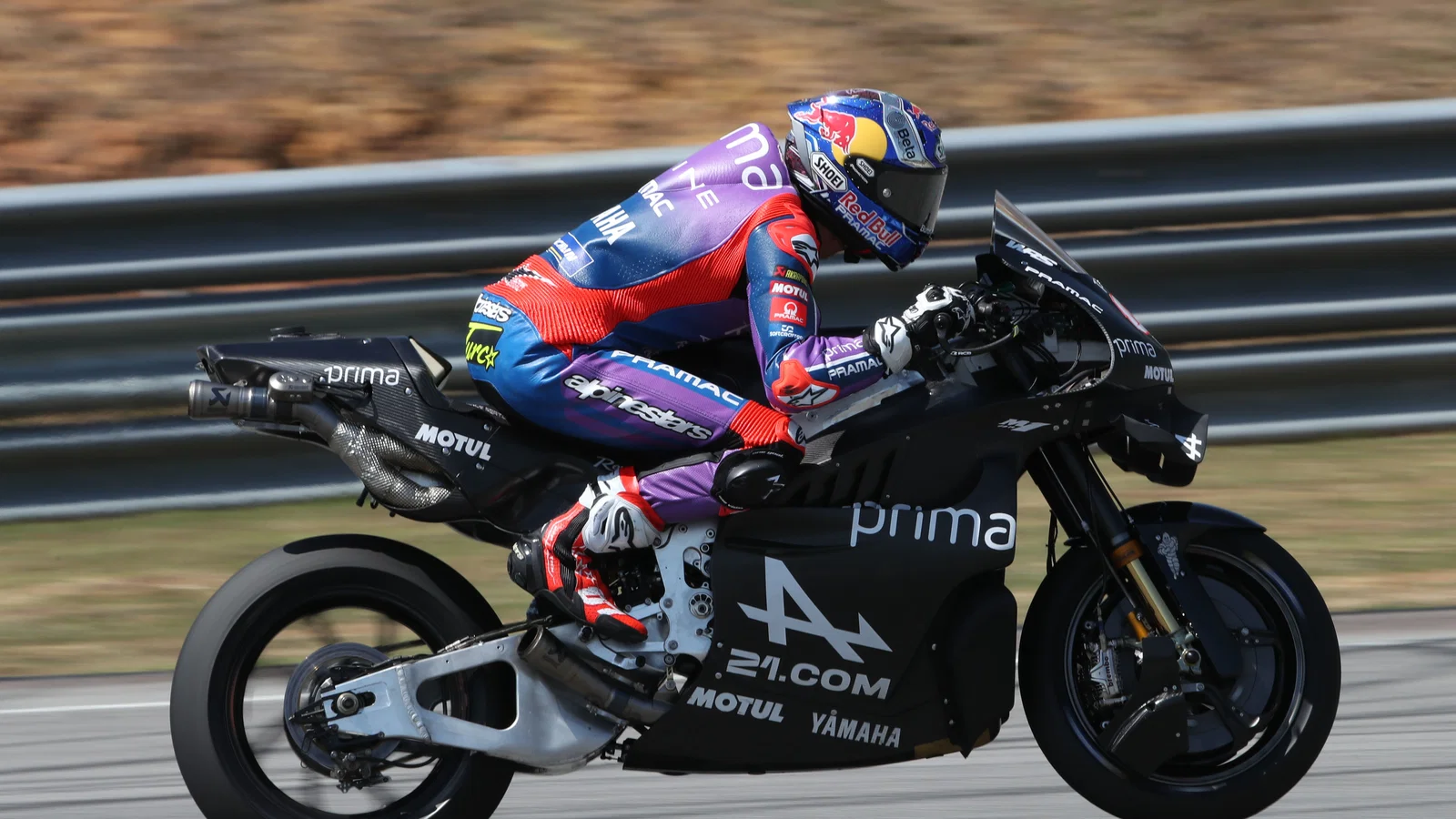
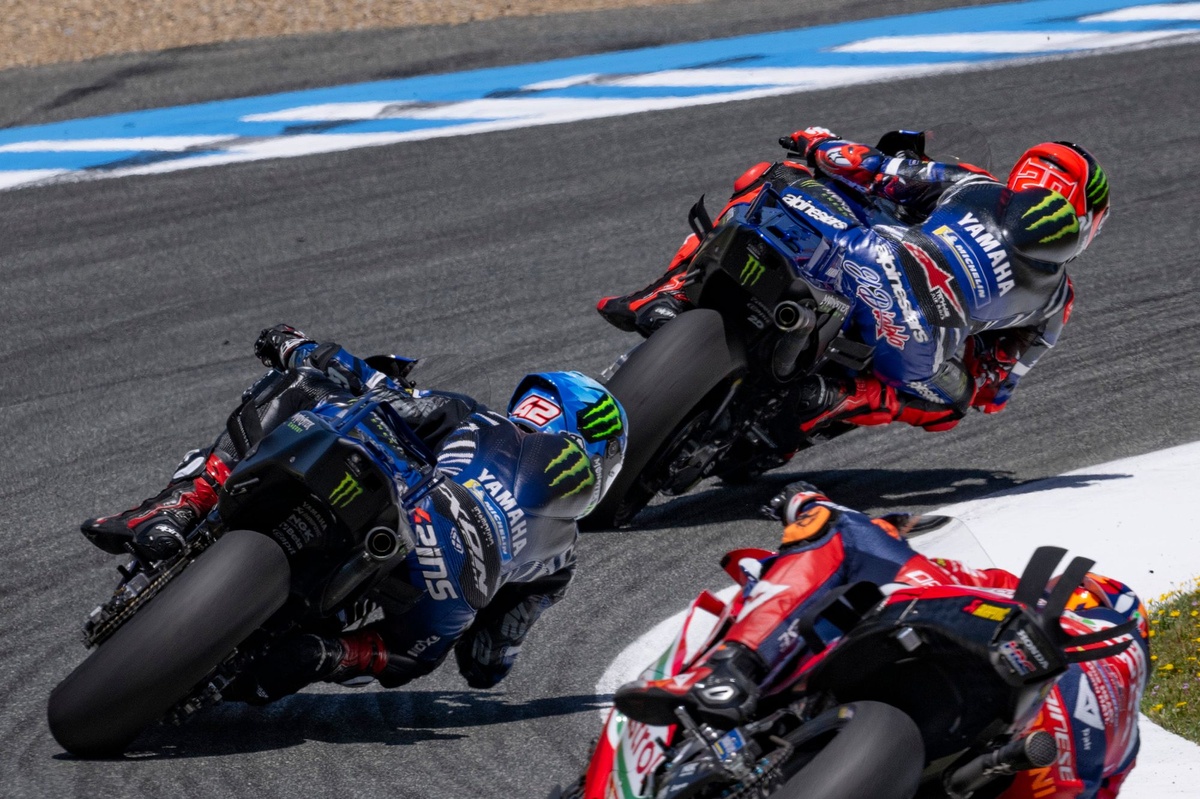

MotoGP is set to remove wildcard entries beginning with the 2027 regulation cycle, a major change that will reshape how the premier class develops talent and delivers surprises on race weekends. For years, wildcard riders have added unpredictability to the grid, often stepping in with limited expectations and occasionally producing remarkable results that rival full-time competitors. Their removal marks the end of a long-standing tradition that brought occasional chaos and excitement to the championship.
Although wildcard entries were never expected to regularly fight for wins, they have occasionally created defining moments in MotoGP history. These appearances often serve development purposes for manufacturers, but some riders have gone far beyond that role, turning brief opportunities into career-defining performances.
One of the earliest standout moments came in 2002, when Suzuki test rider Akira Ryo shocked the field at the Japanese Grand Prix. Racing at Suzuka during the start of the four-stroke MotoGP era, he briefly led the race after starting from seventh on the grid. He eventually finished just behind Valentino Rossi in second place after a strong late battle, delivering one of the most memorable wildcard podiums in history.
Another iconic performance came from Michele Pirro at the 2018 Valencia Grand Prix. Competing for Ducati in wet and unpredictable conditions, he recovered from an early crash and fought back through the field to finish fifth. With several frontrunners crashing out, he narrowly missed the podium and recorded his best MotoGP result, proving his capability in extreme conditions.
Ben Spies also made a strong impression during his Suzuki wildcard outings in 2008. At Indianapolis, he qualified fifth and battled with top riders including Casey Stoner before a weather-shortened race cut proceedings short. His performances helped pave the way for a successful full-time MotoGP career that followed.

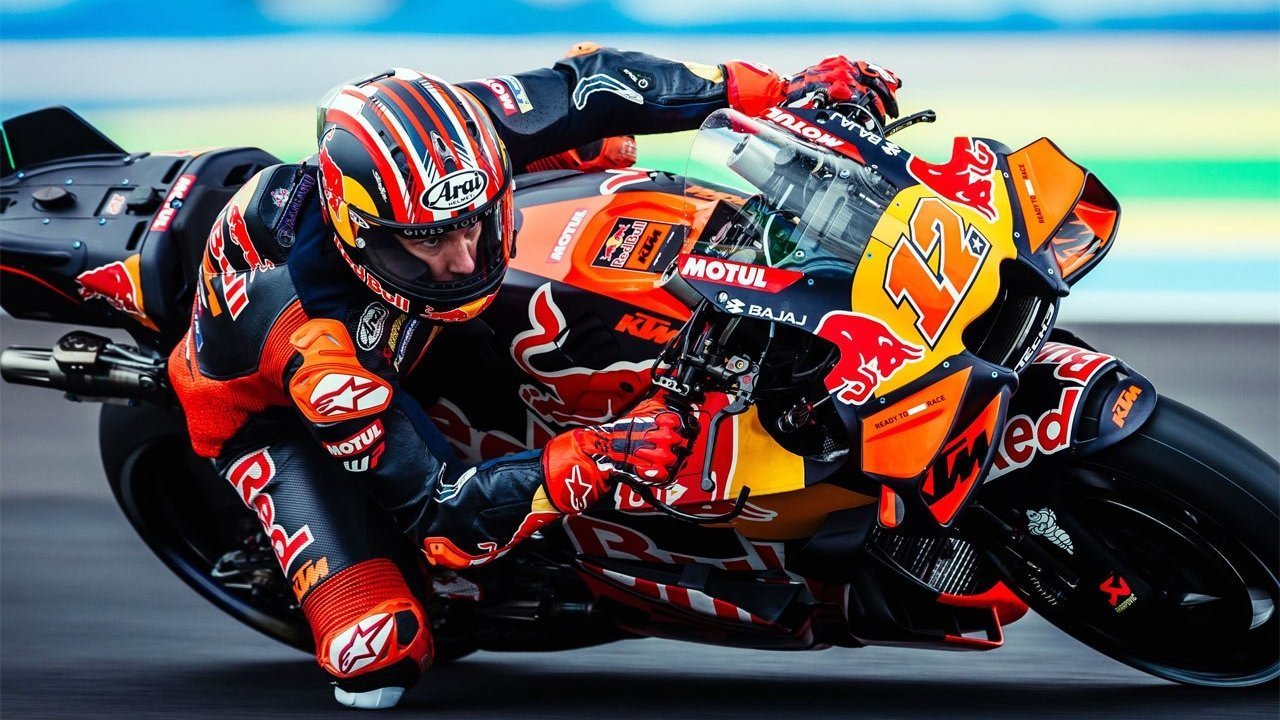
Source: KTM
In more recent years, Dani Pedrosa has delivered some of the most impressive wildcard showings after retiring from full-time racing. While developing KTM machinery, he has consistently demonstrated elite pace. Notable highlights include a strong qualifying performance at Misano in 2023 and a sprint podium at Jerez in 2024, showing he remains competitive against current top riders.
Pol Espargaro has also shown resilience and speed in wildcard and replacement appearances after his injury setback. In 2024, he secured top-10 finishes across sprint and main races, frequently matching or challenging full-time riders and reinforcing his reputation as a reliable and fast competitor.
Beyond these headline names, MotoGP history is filled with standout guest performances. Troy Bayliss famously won the 2006 Valencia Grand Prix as a substitute rider for Ducati. Katsuyuki Nakasuga impressed with a second-place finish in 2012 at Jerez, while Olivier Jacque earned Kawasaki’s first MotoGP podium in 2005. Jonathan Rea and Takaaki Nakagami also produced strong top-10 results in their respective wildcard or substitute outings, further highlighting how impactful these rare appearances can be.
As MotoGP prepares to eliminate wildcard entries from 2027, the sport will lose a unique source of surprise and opportunity. While the change is aimed at streamlining competition under the new technical era, it also closes a chapter that has repeatedly delivered some of the championship’s most unexpected and memorable moments.