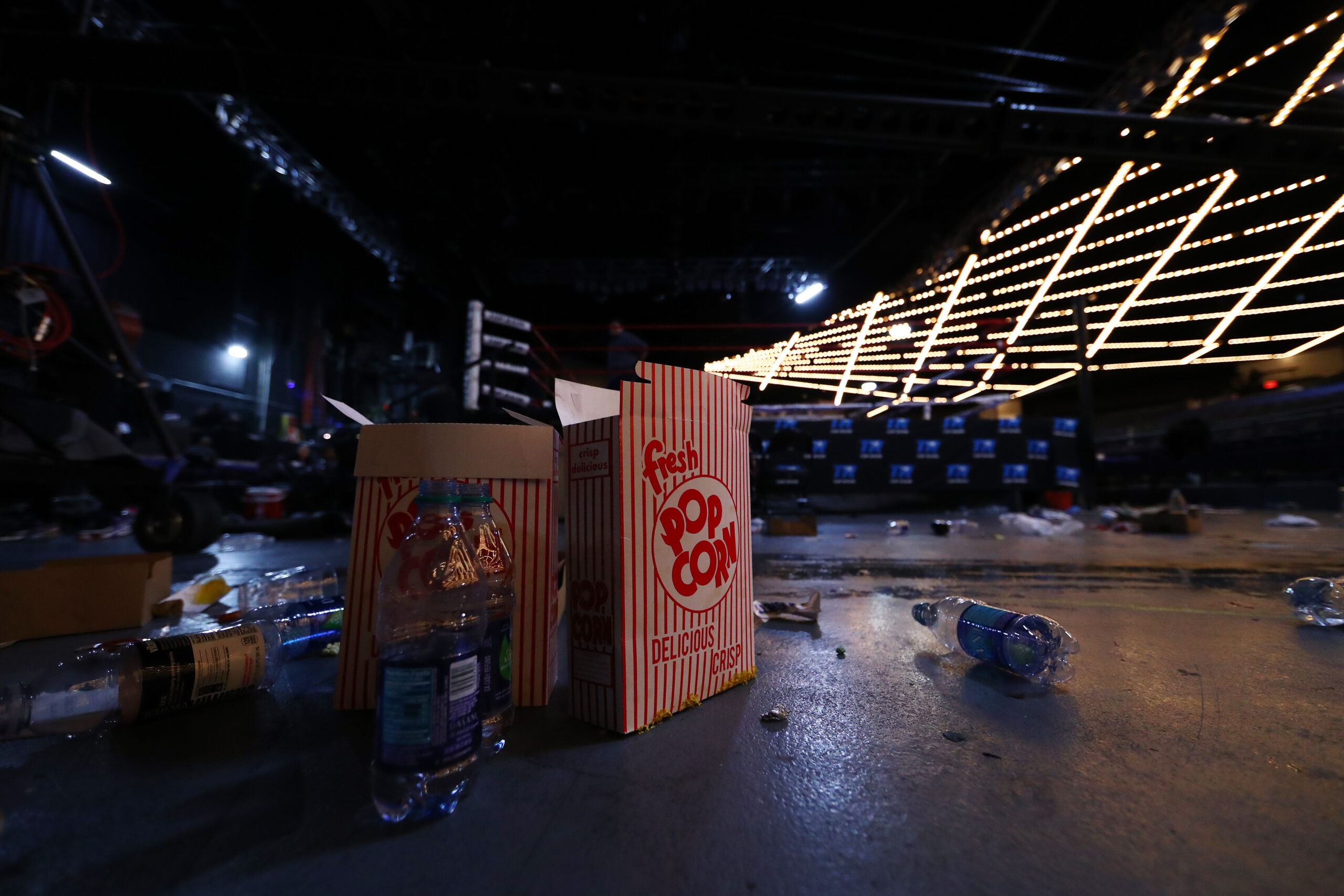

Championing a Cleaner Game: NBA Arenas Go Green
The roar of the crowd, the squeak of sneakers, and the undeniable drive for victory – that's the NBA. But behind the highlights, a quiet revolution is happening off the court: a powerful commitment to sustainability.
From Atlanta to Portland, arenas across the league are tackling the massive challenge of waste head-on. They're not just playing defense against trash; they're actively creating a greener future for their communities and the planet. This isn't just about good PR; it's a strategic slam dunk for environmental stewardship, reshaping how millions of fans experience live sports.
Key Points: NBA's Sustainability Drive
- NBA arenas are pioneering Zero Waste initiatives, aiming for over 90% diversion from landfills.
- Innovative programs include league-wide adoption of reusable cups, extensive food composting, and large-scale community food donations.
- Venues are investing heavily in new waste management infrastructure and fostering crucial partnerships to enhance eco-efforts.
- Several arenas have achieved prestigious TRUE Zero Waste certification, setting a new benchmark for sports and entertainment facilities.
The Big Picture: Why Waste Matters to the NBA
Every game generates tons of waste, from discarded concessions to promotional materials. For years, much of this ended up in landfills. However, the NBA is now taking a leadership role in reimagining post-game cleanup. Teams are recognizing that their impact extends far beyond the hardwood, influencing local economies and environmental health.
Their mission? Minimize the environmental footprint by maximizing recycling, composting, and donations. This collective effort faces hurdles like varying local waste infrastructure, but the determination to innovate and achieve high diversion rates is unwavering. Some facilities are even reaching verifiable TRUE Zero Waste status, a gold standard in sustainable operations.
Arena Spotlights: Leading the Charge on Waste Reduction
Atlanta Hawks: Setting the Platinum Standard at State Farm Arena
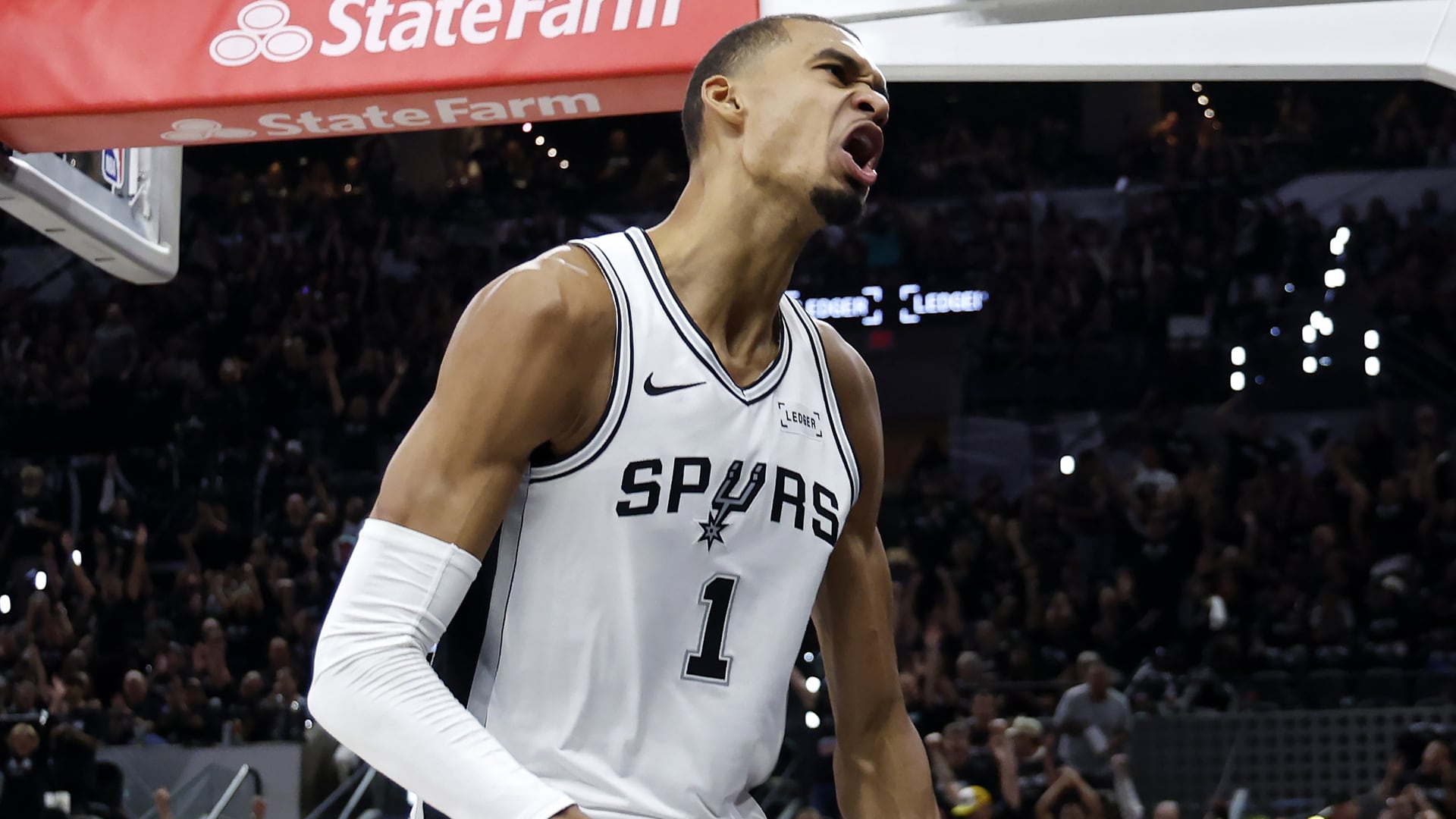
The Atlanta Hawks are soaring to new heights in sustainability at State Farm Arena, the world's first TRUE Platinum Zero-Waste sports venue. Their commitment is visually striking, represented by the "Full Court Press" sculpture, crafted from 404 pounds of upcycled aluminum cups and cans.
Since 2021, the arena has diverted an incredible 13 million pounds of waste from landfills. This success, according to Senior Vice President Geoffrey Stiles, is rooted in intentional partnerships that make their comprehensive zero-waste program achievable.
Cleveland Cavaliers: Rebuilding for a Greener Future at Rocket Mortgage FieldHouse
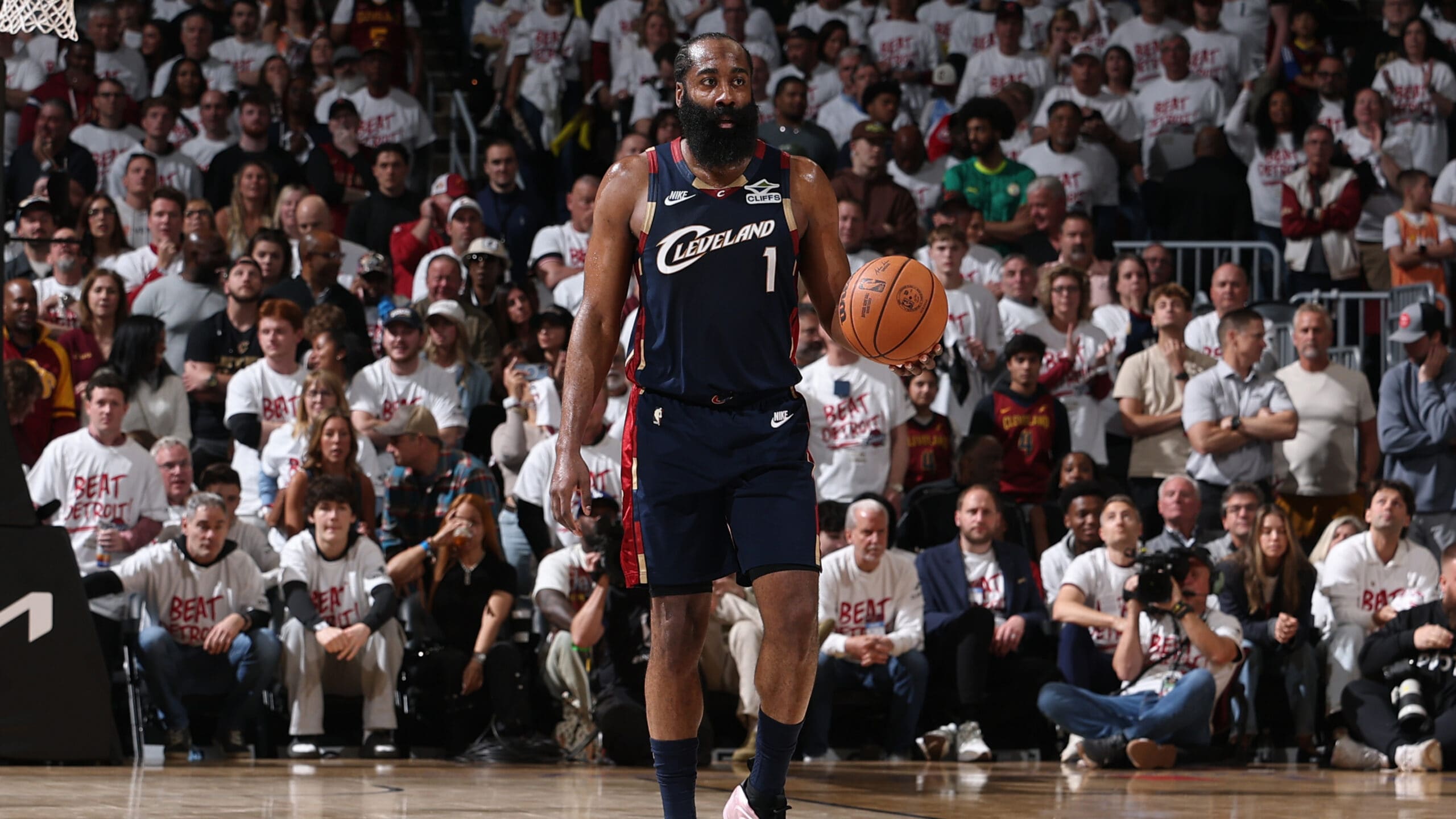
The Cleveland Cavaliers have made significant investments in their Rocket Mortgage FieldHouse operations. A newly rebuilt waste room, featuring state-of-the-art equipment, signals a new era for their sustainability efforts.
In partnership with Waste Management, the arena recently achieved a 20% diversion rate. This past season (July 1, 2024 – June 30, 2025), they composted an astounding 181,240 pounds of food waste, marking a 50% increase from the previous year. This impressive leap comes on the heels of a newly established municipal recycling program in Cleveland.
Indiana Pacers: Tech & Teamwork for Eco-Victory at Gainbridge Fieldhouse
The Indiana Pacers' Gainbridge Fieldhouse recently completed a three-year "Fieldhouse of the Future" renovation, integrating advanced environmental initiatives. These upgrades have already delivered significant returns, including a 37% increase in water efficiency and a 12% boost in energy efficiency.
Over the last year, the Pacers increased overall waste diversion by 10%, thanks to expanded composting and recycling systems. A pilot program for advanced sorting methods is proving highly effective. Their first-ever Sustainability Night achieved a remarkable 74% waste diversion rate, a 50% improvement over their average. Furthermore, the arena successfully piloted reusable cups during the 2025 WNBA All-Star Game, boasting an impressive 80% return rate from fans.
Los Angeles Clippers: Intuit Dome's Zero-Waste Blueprint
Since its 2024 opening, the LA Clippers' Intuit Dome has prioritized sustainable operations, aiming for a daunting 90%+ material diversion from landfills and incinerators. Their holistic approach begins upstream, minimizing waste even before it enters the building.
This includes rigorous staff training, vendor compliance, and strategic partnerships for major events like NBA All-Star 2026, which resulted in the recovery and donation of over 6,000 pounds of materials. The arena’s dedicated Zero Waste Room processes all discarded materials through more than 20 separate streams, prioritizing reuse and donation.
Los Angeles Lakers: Crypto.com Arena's Reusable Revolution
Fans at the Los Angeles Lakers' Crypto.com Arena are familiar with the yellow bins – a vital part of the venue's drive to keep waste out of landfills. Crypto.com Arena stands out as one of the first major sports venues in the U.S. to transition to reusable drinkware, preventing hundreds of thousands of single-use cups from becoming waste.
Beyond reusable cups, the arena meticulously collects and recycles all plastic bottles, aluminum cans, and Tetra-Pack containers. They also recover food waste, transforming it into usable soil, demonstrating a full-circle approach to resource management.
Miami Heat: Turning Up the Heat on Waste Reduction at Kaseya Center
The Miami Heat have deeply embedded environmental stewardship into every facet of operations at Kaseya Center. Guided by a multi-year sustainability action plan, they've aggressively expanded waste diversion through recycling, composting, and large-scale food and material donation programs.
Most recently, Kaseya Center achieved an impressive 50%+ diversion rate. Their commitment extends to significant community impact, with the Heat donating over 93,000 pounds of unused food to local shelters during the 2025-2026 season. These efforts not only reduce environmental impact but also actively engage fans and the wider South Florida community.
Milwaukee Bucks: Swatting Away Emissions at Fiserv Forum
The Milwaukee Bucks are acutely aware of the global impact of food waste, which if it were a country, would be the third-largest emitter of greenhouse gases. At Fiserv Forum, they are "swatting away" these emissions with a comprehensive sustainability strategy.
Their arsenal includes an ORCA food digester that converts organic waste into "gray water" safe for the city's system, and sends other organic waste to facilities that turn it into energy or fertilizer. Combined with rigorous post-event sorting and comprehensive recycling, the Bucks are dramatically reducing landfill contributions. They also actively donate excess arena food to communities in need across Milwaukee, reinforcing their commitment to both environmental and social responsibility.
Portland Trail Blazers: Rip City's Reusable Game Plan at Moda Center
The Portland Trail Blazers are making huge strides with their "Rip City Reuse" program at the Moda Center. As Director of Sustainability, Brittany Saulsbury, explains, implementing reusable cups throughout the arena has eliminated over 1.5 million single-use cups, creating a highly visible and impactful fan-facing sustainability experience.
Beyond cups, the Blazers tackle food waste head-on. Organic scraps are transformed into nutrient-rich soil in partnership with Annen Brothers Farm, diverting over half a million pounds of material annually from landfills. Furthermore, valuable excess food from the Moda Center is donated to local nonprofits like Blanchet House and Urban Alchemy, supporting communities facing food insecurity.