
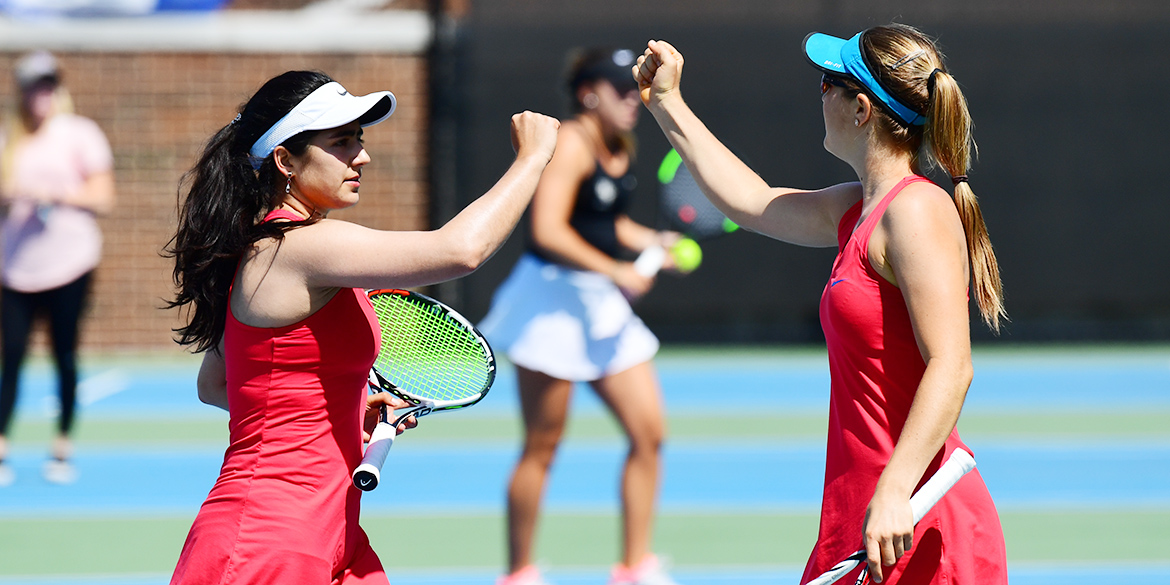

The National Collegiate Athletic Association has agreed to remove long-standing restrictions on prize money, allowing future student-athletes to retain unlimited earnings before entering college competition. The decision marks a significant change in eligibility rules and is expected to reshape pathways for athletes pursuing both education and professional careers.
Previously, athletes in individual sports such as tennis were only allowed to keep up to $10,000 in prize money earned before enrolling in college. Any amount beyond that limit risked forfeiture or loss of eligibility. The rule forced many young players to choose between early professional opportunities and competing in collegiate athletics.
The policy change follows legal action led by Reese Brantmeier and Maya Joint, who challenged the NCAA’s restrictions. Their cases highlighted how the previous system penalized athletes who succeeded in professional events before starting their college careers.
Brantmeier, an NCAA champion representing the University of North Carolina, brought attention to the issue after earning more than $48,000 at the US Open in 2021. She was required to give up most of her winnings and later faced eligibility issues related to expense claims.
Joint encountered a similar situation after earning $147,000 at the 2024 US Open. Despite complying with existing rules, she was unable to retain most of her prize money and ultimately chose to turn professional instead of pursuing college tennis at the University of Texas.
The dispute resulted in a $2.02 million class-action settlement filed in federal court. While much of the settlement covers legal and administrative costs, both athletes received compensation for their role in the case. More importantly, the agreement includes a permanent rule change that prevents the NCAA from reinstating its previous prize money limits.
The revised policy allows athletes to compete in professional events, earn prize money, and still maintain their eligibility for college sports. This change is expected to benefit players in tennis, golf, and other individual disciplines where early professional participation is common.
By removing financial barriers, the NCAA’s decision brings its rules closer to the realities of modern sports development. It offers athletes greater flexibility to pursue both academic and professional goals without compromise.