
.png)

The Unprecedented Burden of Brazil's Number 10
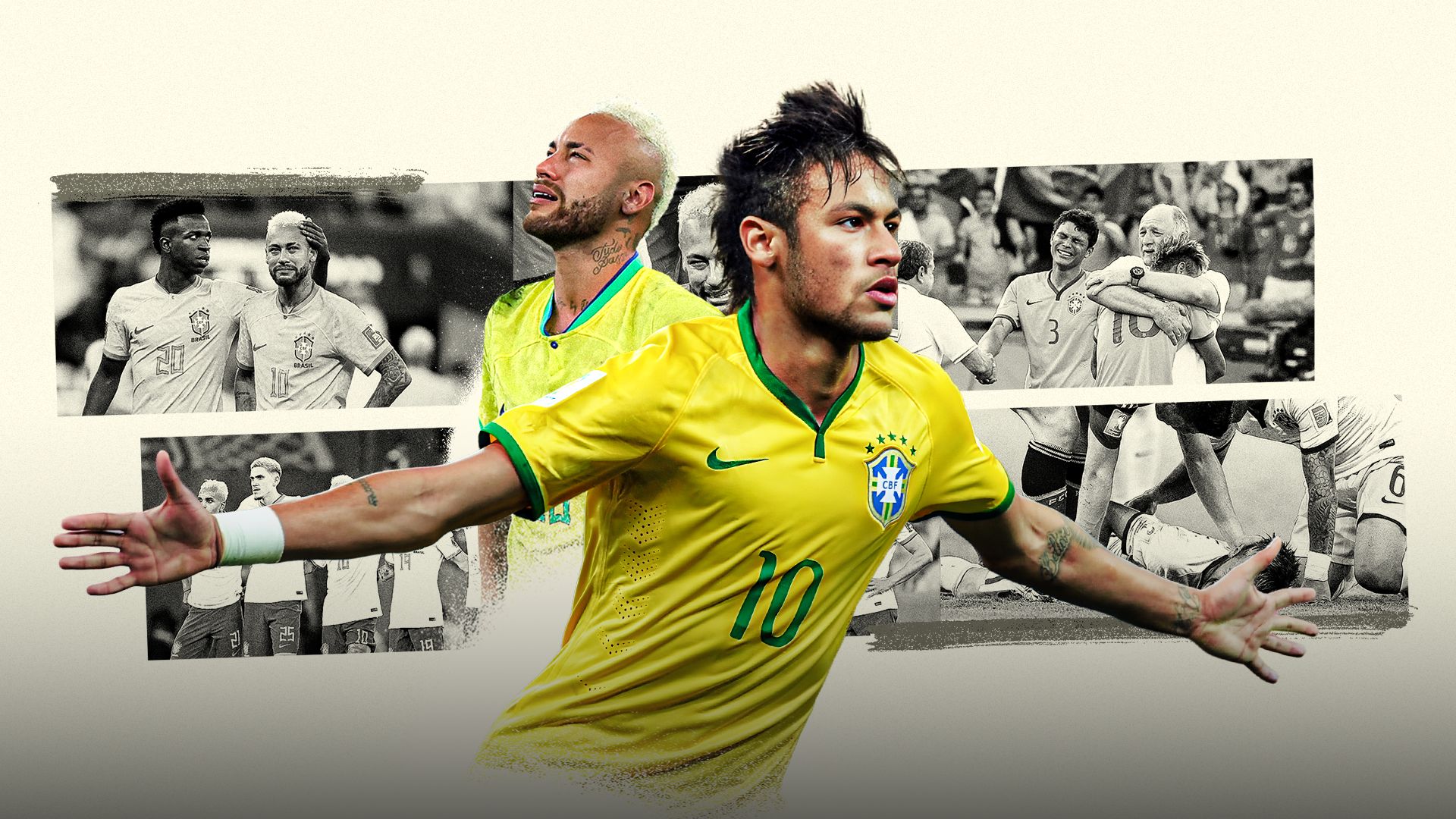
The weight of a nation rested squarely on Neymar's shoulders for over a decade, a burden no single player, not even Pele, was ever truly meant to bear. As Brazil looks towards the 2026 World Cup, the question isn't just who will lead them, but how the shadow of their former talisman still looms.
Key Points:
- Neymar was the undeniable focal point of Brazil's World Cup campaigns from 2014-2022.
- The concept of 'Neymar-dependencia' defined the Seleção's triumphs and, more often, their heartbreaks.
- Injuries, controversial moments, and crucial missed opportunities marred his World Cup legacy.
- Despite new talents like Vinicius Jr. emerging, Brazil still grapples with finding a cohesive identity for 2026.
When Neymar first donned the Brazil jersey in 2010, the expectation was colossal. He was heralded as the face of a new, creative generation, poised to revive the Seleção's iconic flair after a disappointing 2010 World Cup exit. The problem? The supporting cast around him struggled to match the caliber of past Brazilian legends.
By 2013, Neymar fully inherited the legendary No. 10 shirt, a clear signal of his central role for the upcoming home World Cup. Coach Luiz Felipe Scolari publicly downplayed the individual burden, yet it was painfully evident that the team revolved around him. Unlike past eras where stars like Pele, Garrincha, Jairzinho, Romario, and Ronaldo shared the glory, Brazil in the 2010s had no comparable attacking talent.
2014: A Nation's Hope, A Tragic End
At just 22, Neymar delivered a heroic performance in the 2014 World Cup, displaying both skill and an incredible ability to carry his team amidst immense political and sporting pressure. The term 'Neymar-dependencia' became mainstream, highlighted by O Globo as the semi-final against Germany approached. He was directly involved in half of Brazil's 10 goals before that pivotal match, scoring four and assisting one.
Then came the moment that changed everything: a brutal back injury from a challenge by Colombia's Juan Camilo Zuniga in the quarter-finals. Sidelined, Brazil faced Germany without their star, collapsing to a 7-1 humiliation in Belo Horizonte. Neymar's absence tragically confirmed the team's over-reliance on him, a dependency that would plague them for years.
2018: The Theatrical Prince and the Fall in Russia
Heading into the 2018 World Cup in Russia, 'Neymar-dependencia' had shifted from a testament to his skill to a deep-seated fear. His record-breaking transfer to Paris Saint-Germain in 2017 saw him accumulate injuries and controversies at an alarming rate. A serious metatarsal injury in early 2018 meant he arrived in Russia far from full fitness.
Beyond his physical state, Neymar's emotional fragility and theatrical reactions to fouls became a global meme. His exaggerated rolls drew ridicule, turning Brazil's biggest star into a punchline. When the knockout stages intensified, Neymar lacked inspiration, and with no other attacking player stepping up, Brazil fell to Belgium in the quarter-finals. This exit, while not as shocking as 2014, left Neymar with an image of embarrassment.
Qatar 2022: Mentorship, Injury, and Missed Destiny
The years leading up to 2022 saw glimpses of Brazil beginning to shed its 'Neymar-dependencia', notably winning the 2019 Copa America without him. New stars like Vinicius Jr. and Rodrygo emerged, excelling for Real Madrid.
Neymar arrived in Qatar healthy but suffered an ankle sprain in the opening match against Serbia. While he recovered, Brazil showed resilience, with players like Richarlison and Casemiro stepping up. His return in the 4-1 rout of South Korea was a highlight, with Neymar scoring and assisting, acting more as a mentor to the young forwards. Yet, fate intervened again.
In the quarter-final against Croatia, Neymar scored a brilliant extra-time goal. But in a moment of critical strategic lapse, Brazil conceded an equalizer, leading to penalties. Coach Tite famously listed Neymar as the fifth taker, a kick he never got to take as Rodrygo and Marquinhos missed earlier. Brazil exited once more, and Neymar's tears symbolized a potential final World Cup chance slipping away.
Beyond Neymar: A New Dawn or Continued Uncertainty for Brazil?
The cycle leading to 2026 has starkly marked Neymar's decline from football's elite. His move to Saudi Arabia's Al-Hilal at 31, followed by severe knee ligament injuries and an eventual return to Santos, signaled an end to his European top-tier career. He has barely played for Brazil in years, scoring only two more goals to surpass Pele as the nation's all-time top scorer—a poignant nod to his individual brilliance rather than collective impact.
Meanwhile, the Brazil national team has endured its own turmoil, grappling with coaching instability and a distinct lack of confidence heading into the 2026 World Cup. The criticism is no longer about 'Neymar-dependencia', but a broader identity crisis.
The Rise of a New Generation, The Search for a Leader
Despite the chaos, a new wave of talent is undeniable. Vinicius Jr. was named FIFA's best player in 2024, starring for Real Madrid. Rodrygo and Raphinha also shine at elite European clubs. These players offer immense individual promise. Yet, the challenge remains: none have consistently replicated their club form for the national team, failing to fill the leadership void left by Neymar.
Neymar's journey with Brazil at the World Cup has been a dramatic narrative defined by immense talent, crushing injuries, and pivotal absences. As the 2026 World Cup approaches, the question isn't whether Neymar will make it, but whether Brazil can finally forge a new path to glory, a path where the weight of expectation is shared, and the collective outshines any single star.


